
Engaging Entertainment Ideas for Corporate Events
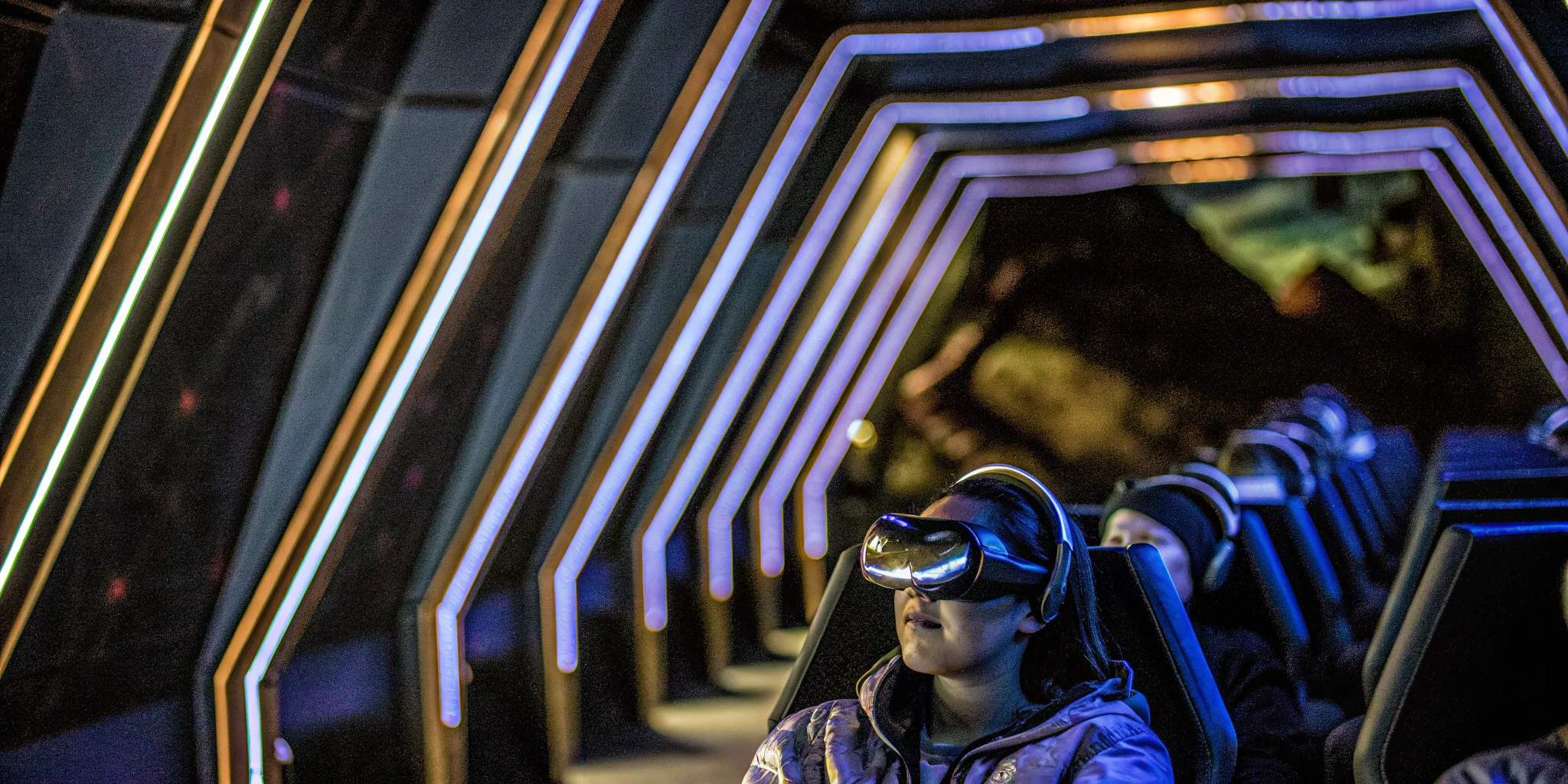
Instead of another cocktail hour with polite, surface-level conversation, what if your team worked together to solve a puzzle or competed in a friendly, futuristic game? The best team-building moments happen when people are actively engaged in a shared experience. These are the moments that stand out and build real connections. The goal is to find entertainment ideas for corporate events that surprise and delight your guests, encouraging them to interact in new and exciting ways. When you give people an experience rather than just an evening out, you create positive memories that they'll associate with your company and their colleagues.
Key Takeaways
- Align Entertainment with Your Goals: Choose an activity that directly supports your event's purpose, whether it's to build team bonds, celebrate a milestone, or simply have fun. The best entertainment is a strategic choice that fits your company culture and resonates with your specific audience.
- Focus on Active, Shared Experiences: Move beyond passive entertainment and select activities that require genuine interaction and collaboration. Immersive options like VR games, escape rooms, or creative workshops create stronger connections and give your team a memorable story to tell.
- Master the Logistics for a Flawless Event: A great idea requires solid execution. Ensure a smooth experience by thoroughly vetting vendors, confirming all technical and spatial needs upfront, and planning the event's flow to maximize engagement from start to finish.
Why Your Corporate Event Needs Great Entertainment
Let's be honest: most corporate events are pretty forgettable. You show up, make some small talk, listen to a few speeches, and head home. But what if your event could be the one people are still buzzing about weeks later? The secret isn't a bigger budget or a fancier venue—it's choosing the right entertainment. Great entertainment is the element that can completely transform a standard company function into a memorable, high-impact experience.
It's the difference between your team politely clapping and genuinely connecting with each other. When you plan an event, you're not just checking a box; you're investing in your company culture, your team's morale, and their relationships. The right activity or performance does more than just fill time. It breaks the ice, sparks conversation, and creates a shared experience that strengthens bonds long after the event is over. Think of it as the heart of your event—the thing that gives it energy and leaves a lasting impression.
What Makes an Event Unforgettable?
An unforgettable event is all about the feeling it leaves with your guests. It's the moment they stop thinking about work and start having genuine fun. Entertainment is often the make-or-break component that creates this shift. While good food and a nice setting are important, it's the unique, shared experiences that people remember and talk about. A truly memorable event gives your team a story to tell.
Instead of another cocktail hour, imagine your team working together to solve a puzzle or competing in a friendly, futuristic game. These are the moments that stand out. The goal is to find event entertainment ideas that surprise and delight your guests, encouraging them to interact in new and exciting ways. When you give people an experience rather than just an evening out, you create positive memories that they'll associate with your company.
Set Clear Goals for Your Entertainment
Before you book a band or a VR experience, take a step back and ask yourself: what do I want to achieve with this event? Your entertainment shouldn't be an afterthought; it should be a strategic tool that supports your event's purpose. Are you trying to get a new team to bond? Celebrate a major company milestone? Or simply give everyone a chance to relax and de-stress? The answer will guide you to the perfect fit.
For example, if your goal is to encourage networking, you'll want an activity that facilitates conversation, not a loud performance that drowns it out. If you want to energize your sales team for the next quarter, a high-energy, competitive game might be the right call. Always match the entertainment to your event's goals and, just as importantly, to your audience. What resonates with one group might fall flat with another, so keep your guests' preferences in mind.
What's the ROI on Fun?
Investing in high-quality entertainment isn't just about throwing a great party—it's an investment in your people. The return on investment for a fun, engaging event is a happier, more connected, and more motivated team. When employees feel valued and appreciated, their satisfaction and productivity see a real lift. A fantastic event can become a cornerstone of your company culture, showing your team that you care about their well-being beyond the office walls.
Think of entertainment as the "grand show" that leaves a lasting positive memory. These shared experiences build camaraderie and strengthen relationships between colleagues, which translates directly into better collaboration and a more positive work environment. This isn't just an expense on a spreadsheet; it's a powerful way to build a stronger, more cohesive company. The positive effects of a single, well-executed corporate event with creative entertainment can ripple through your organization for months to come.
Unique Entertainment Ideas for Your Next Event
Finding the right entertainment can transform a standard corporate gathering into an event people talk about for years. The key is to think beyond the expected and choose an activity that aligns with your event's goals and your team's personality. Whether you want to encourage team bonding, celebrate a big win, or just give everyone a chance to relax, there are plenty of creative options to explore. The goal is to create a shared experience that feels fresh, engaging, and memorable for everyone involved.
Virtual Reality and Tech-Based Experiences
If you want to give your guests an experience that feels truly modern, lean into technology. Free-roam virtual reality (VR) is an incredible way to transport your team to new worlds where they can work together to solve puzzles or take on zombies. It's an active, social experience that gets people moving and communicating. Beyond VR, you can explore other tech-forward options like AI photo booths that create unique portraits or augmented reality games. These kinds of interactive party activities are perfect for breaking the ice and giving your event a futuristic, innovative feel that reflects a forward-thinking company culture.
Live Performances and Shows
A live performance can instantly set the tone for your event and provide a captivating focal point. You can hire a live band to create a relaxed, sophisticated atmosphere or a DJ to get everyone on the dance floor. For something more interactive, consider hiring a magician or a mentalist to mingle with the crowd and perform mind-bending tricks up close. If you have the space and want to create a real spectacle, circus performers like aerialists or stilt walkers can add a touch of wonder. The right corporate event entertainment can make your gathering feel polished and special.
Interactive Games and Competitions
Nothing brings a group together quite like a little friendly competition. Interactive games are fantastic for getting guests to engage with each other in a low-pressure setting. For an outdoor event, you could set up classic lawn games like cornhole or even a fun obstacle course that encourages teamwork. For an indoor gathering, you could host a company-themed game show, complete with buzzers and prizes. These activities get people laughing and working together, creating a sense of camaraderie that lasts long after the event is over. There are many event entertainment ideas that can be tailored to your team.
Creative Workshops and Activities
Give your guests a chance to learn something new and create something with their own hands. A hands-on workshop is a great way to facilitate natural conversation and collaboration. You could organize a cocktail-making class where a mixologist teaches everyone how to craft the perfect drink, or a group cooking class where a chef guides your team in preparing a delicious meal together. These activities are not only fun but also rewarding, as guests leave with a new skill and a shared sense of accomplishment. It's a relaxed and effective way to encourage mingling and teamwork.
Cultural and Themed Entertainment
Why not transport your guests to another place or time? A strong theme can make your event feel like a true escape. You could host a casino night, complete with blackjack tables and slot machines, for a touch of Las Vegas glamour. Or, you could go all-in on a specific decade, like a roaring '20s party or an '80s arcade night. Creating an immersive atmosphere shows attention to detail and a commitment to giving your guests a unique experience. These corporate event entertainment ideas can turn a simple get-together into a full-fledged adventure that your team will remember.
How to Pick the Perfect Entertainment
Choosing the right entertainment is one of the most important decisions you'll make when planning a corporate event. It's the element that can transform a standard get-together into a truly memorable experience that your team will talk about for months. But with so many options out there, how do you land on the perfect one? It's not just about finding something fun; it's about finding the right kind of fun for your specific group and goals.
The key is to be intentional. Instead of just booking the first flashy option you find, take a step back and think strategically. The perfect entertainment choice aligns with your audience, your company culture, and your event's practical constraints. It should feel like a seamless part of the day, not a random activity dropped into the schedule. By considering a few key factors, you can confidently select an experience that energizes your team, encourages connection, and accomplishes your event objectives. Think of it as matchmaking: you're finding the ideal partner for your event's personality. The following steps will guide you through that process, ensuring you pick a winner every time.
Know Your Audience
Before you even start looking at options, think about who you're planning for. The most exciting activity in the world will fall flat if it doesn't resonate with your guests. Consider the general demographics of your team. Are they mostly younger and tech-savvy, or do they have a wide range of ages and interests? What are their job roles? An adrenaline-pumping, competitive experience might be a huge hit with your sales team, while your engineers might prefer a complex, problem-solving challenge. If you're not sure, there's no harm in sending out a simple survey to gauge their interests. The goal is to choose something that makes everyone feel included and excited to participate.
Do Your Research Before You Book
Once you have a few ideas that seem like a good fit for your audience, it's time to do your homework. Don't just take a company's website at face value. Dig a little deeper to make sure they can deliver on their promises. Look for reviews and testimonials from other corporate clients. Watch videos of their past events or browse through their photo galleries to get a real sense of the experience. This step is crucial for vetting potential vendors and avoiding any unpleasant surprises on the day of your event. A little bit of research upfront ensures you're booking a high-quality, professional, and reliable partner for your event.
Match the Entertainment to Your Company Culture
The entertainment you choose sends a message about your company, so make sure it's the right one. Think about your workplace environment and values. Are you a fast-paced, innovative tech company that prides itself on being ahead of the curve? A cutting-edge virtual reality experience would be a perfect fit. Are you a more traditional firm that values sophistication and quiet networking? A live jazz trio might be more appropriate. The entertainment should feel like a natural extension of your brand. When the activity aligns with your company culture, it reinforces your identity and makes the event feel authentic and purposeful for your employees.
Consider Your Space and Tech Needs
This is where logistics come into play. Before you sign a contract, get a clear understanding of the entertainment's technical and spatial requirements. Some activities, like a VR experience, need a significant amount of open, unobstructed space and specific technical setups. Other options might require special lighting, sound equipment, or a stable internet connection. Have a detailed conversation with the provider about their needs and compare them to what your venue can offer. Clarifying these details early on will prevent last-minute scrambles and ensure a smooth, stress-free experience for you and your guests. Always confirm these requirements in your venue selection process.
Plan the Timing and Duration
How you schedule the entertainment can have a huge impact on its success. Think about the flow of your event and where the activity will fit best. Should it be an icebreaker at the beginning to get everyone energized and talking? Or would it work better as a main event after a morning of meetings? Also, consider the duration. You want to give your team enough time to fully enjoy the experience without it dragging on or causing fatigue. An hour or two is often the sweet spot for an immersive activity. Map out a detailed event timeline and place your entertainment at a moment of peak energy to maximize its impact.
Go-To Ideas for Interactive Team Building
Let's be honest: no one gets excited about trust falls anymore. The best team-building activities are the ones that don't feel like team building. They're engaging, fun, and get people working together toward a common goal without any forced or awkward icebreakers. The key is genuine interaction. You want your team to be actively participating, communicating, and solving problems together, not just sitting in a conference room listening to a speaker. When people are truly invested in an activity, the bonding happens naturally.
These kinds of shared experiences are what build real camaraderie and improve team dynamics back at the office. Think about activities that require a mix of skills, encourage creative thinking, and maybe even spark a little friendly competition. When you take your team out of their usual environment, it helps break down hierarchies and allows people to connect on a more personal level. The goal is to create a memorable event that gives everyone a chance to step out of their typical roles and see their colleagues in a new light. These are the moments that strengthen relationships and build a more cohesive, collaborative company culture.
Problem-Solving Challenges
Putting your team in a situation where they have to solve a puzzle together is a fantastic way to see their collaborative skills in action. Activities like scavenger hunts or mystery-solving games require clear communication, creative thinking, and the ability to work under a bit of pressure. Each person brings their unique perspective to the table, and success depends on how well they can combine their strengths. These challenges are great for breaking down communication barriers and encouraging team members who don't normally work together to collaborate. It's a low-stakes way to practice the same problem-solving skills they need for big projects at work.
Group Gaming Experiences
Nothing brings a team together quite like a little friendly competition. Group gaming experiences, whether they're set up like a classic game show or involve a high-tech virtual reality battle, create an energetic and fun atmosphere. When you're all working together to beat another team or achieve a high score, hierarchies fade away and everyone is just a player on the same team. This is where you'll see natural leaders emerge and team members cheer each other on. These shared moments of victory (or hilarious defeat) become inside jokes and stories that can significantly improve team performance back in the office.
Collaborative Art Projects
If you're looking for a more relaxed and creative team-building activity, a collaborative art project is a wonderful option. This could be anything from painting a large mural together to participating in a group pottery class. The focus isn't on individual artistic talent but on the process of creating something together. It's a great way to encourage a different kind of communication and teamwork. Plus, you end up with a tangible reminder of your team's collaborative effort. This piece of art can be displayed in the office as a symbol of what you can achieve when you work together.
Escape Room Adventures
Escape rooms are the ultimate test of teamwork, communication, and problem-solving under pressure. Locked in a themed room with a ticking clock, your team has to work together to find clues, solve puzzles, and figure out how to get out before time runs out. Every single person has to participate for the team to succeed. It's an immersive experience that requires everyone to listen to each other's ideas and think on their feet. A VR escape room takes this concept to a whole new level, transporting your team to incredible worlds where the challenges are even more mind-bending and imaginative.
Tech-Powered Team Competitions
Why stick to the ordinary when you can give your team an extraordinary experience? Tech-powered competitions use virtual and augmented reality to create incredibly immersive and exciting challenges. Imagine your team working together to survive a zombie apocalypse or exploring a fantastical new world in a free-roam VR game. These advanced experiences are not only thrilling but also highly effective for team building, as they demand constant communication and strategic coordination. Using technology creates a truly memorable event that feels less like a corporate outing and more like a futuristic adventure, leaving your team feeling energized and connected.
How to Plan Your Budget (and Avoid Hidden Costs)
Let's talk money. Budgeting for event entertainment doesn't have to be complicated. The key is to be clear about what you can spend and to understand where your money is going. A well-planned budget ensures you can provide an amazing experience for your team without any last-minute financial surprises. It's all about knowing the costs, planning for the unexpected, and finding the best value for your investment. By thinking through the details upfront, you can confidently choose entertainment that fits your financial plan and wows your guests.
What Are the Base Costs?
First things first, you need to establish your budget. Decide how much you're willing to spend on entertainment and make that your guiding number. The base cost is the primary price tag for the entertainment itself. For an activity like a VR experience, this is typically a per-person fee. For a live band, it's usually a flat booking fee for a set amount of time. Always ask for a clear, upfront quote that details exactly what's included. This number is the foundation of your budget, so make sure it's solid before you move on.
Look Out for These Additional Expenses
The price you're first quoted isn't always the final price. Many entertainment options come with extra costs that can catch you off guard if you're not prepared. Remember that your total event budget includes more than just the booking fee. Be sure to ask about potential add-ons like travel expenses, equipment rental, setup charges, or special insurance requirements. Some vendors also add service fees or taxes. The best way to avoid surprises is to request a fully itemized quote so you can see every single line item and understand the true total cost.
Get the Most from Your Budget
Getting the most from your budget isn't about finding the cheapest option—it's about finding the best value. Think about the overall feeling you want your event to have. Sometimes, investing a bit more in a single, high-impact activity creates a far more memorable experience than spreading your budget thin across several less exciting ones. Focus on the quality of the experience and how it aligns with your event goals. A unique and engaging activity will have your team talking for weeks, making it a much better investment than something they'll forget by Monday morning.
Great Entertainment on a Tighter Budget
A limited budget doesn't mean you have to settle for boring entertainment. In fact, choosing something unique and interactive can make your event feel more special and engaging. Look for all-inclusive packages that bundle everything into one price, which can often save you money and logistical headaches. Consider booking on a weekday or during an off-peak season when prices might be lower. The goal is to find an activity that delivers a big impact without a big price tag. A shared, exciting experience is often more valuable than a more traditional but expensive option.
Tips for Negotiating with Vendors
Once you've found an entertainment option you love, it's time to talk details. Before you start a conversation, do your homework. Check reviews and watch demo videos to make sure the provider is a good fit for your company culture. When you reach out, be transparent about your budget and what you're looking for. Ask if they offer different packages or have any flexibility in their pricing. Think of it as a conversation to find a solution that works for everyone. Most importantly, get everything in writing in a clear contract before you sign.
Nailing the Planning and Logistics
Once you've picked your entertainment, the real work begins. The difference between a good event and a great one often comes down to the small details. Getting the logistics right ensures everything runs smoothly, so you can focus on your guests instead of putting out fires. From vetting your vendors to having a solid backup plan, careful planning is your best tool for creating an event that feels effortless and impressive. It's all about setting the stage for your entertainment to shine and leave that lasting, positive memory with your team.
How to Vet Your Entertainment Providers
Before you sign on the dotted line, do your homework. The best way to predict future performance is to look at past results. Start by checking online reviews on sites like Google or Yelp, but don't stop there. Ask for references you can speak with directly. A reputable provider will be happy to connect you with past clients. It's also a great idea to see them in action if you can. Before you hire someone, look at what others say or watch videos of their past shows to make sure they're a good fit for your company's vibe and your event's goals. This step ensures there are no surprises on the day of the event.
Your Technical Requirements Checklist
Every type of entertainment has its own set of technical needs. A live band needs specific audio equipment and power outlets, while a VR experience like ours at Zero Latency requires a certain amount of open space and reliable Wi-Fi. Create a checklist and have a detailed conversation with your provider about their requirements. Ask about space, power, lighting, sound, and any setup or breakdown time they need. Confirm who is responsible for providing what. Getting these details sorted out early prevents last-minute scrambles and ensures your entertainment can deliver the best possible guest experience.
What to Look for in a Contract
A contract protects both you and your entertainment provider, so read it carefully before signing. It should clearly outline all the important details: date, time, location, and the exact services being provided. Pay close attention to the payment schedule, cancellation policies, and any liability or insurance clauses. Make sure it specifies what happens in case of unforeseen circumstances, like bad weather or equipment failure. A clear, comprehensive contract is the foundation of a professional relationship and helps ensure the entertainment you picked will be as surprising and delightful as you imagined.
Have a Plan for When Things Go Wrong
Even with the best planning, things can go wrong. The power might go out, a key piece of equipment could fail, or an entertainer might get stuck in traffic. The key is to anticipate potential problems and have a contingency plan in place. Walk through a few "what if" scenarios with your team and your vendor. What's the plan if it rains on your outdoor event? Who is the point of contact for technical issues? Entertainment is often the "grand show" of your event, so having a plan to handle hiccups ensures it will still impress your guests and leave a lasting positive memory, no matter what happens behind the scenes.
Always Have a Backup Plan
Beyond just planning for disasters, it's smart to have a backup for your entertainment flow. What if the main act isn't connecting with the audience? What if your keynote speaker finishes 20 minutes early? It's helpful to have a secondary activity or a flexible schedule. This doesn't mean you need to book a dozen different acts. In fact, it's often better to have a few great acts than too many that might overwhelm your guests. A simple backup, like a curated playlist ready to go or a low-key interactive game, can be a lifesaver that keeps the energy up and the event on track.
How to Make Your Event Truly Memorable
The difference between a good event and a great one often comes down to the details. It's not just about booking fantastic entertainment; it's about how you weave that experience into the very fabric of your gathering. A truly memorable event feels effortless for your guests, guiding them through a thoughtfully planned experience that leaves a lasting impression. From the moment they arrive to their final goodbye, every element should work together to create a cohesive and engaging atmosphere. This is where strategic planning turns a simple get-together into an event people will talk about for weeks.
Design a Seamless Event Flow
Think of your event as a story with a beginning, a middle, and an end. A clunky, disjointed flow can kill the mood, no matter how amazing the main attraction is. Good entertainment is a critical part of this flow, not just a separate item on the agenda. Map out the guest journey from start to finish. Consider the transitions: how will people move from checking in, to grabbing a drink, to participating in the main activity? For example, having a comfortable lounge area where teams can strategize before a VR experience and decompress afterward keeps the energy moving smoothly.
Keep Your Guests Engaged from Start to Finish
Holding your guests' attention is the ultimate goal. Entertainment isn't just a fun extra; it's a powerful tool for keeping everyone invested. The initial "wow" factor is important, but you need a plan to maintain that momentum. Think about layering different types of engagement. A high-energy activity like a VR battle can be the centerpiece, but you can supplement it with lower-key options like a photo booth with fun props or a live leaderboard that builds friendly competition throughout the event. This ensures there are no lulls and gives guests different ways to participate and connect.
Schedule Your Entertainment for Maximum Impact
Timing can make or break your entertainment's effectiveness. Dropping your main event too early might cause the energy to fizzle out afterward. Instead, build a narrative arc. Start with icebreakers and networking, then build toward the peak experience. The best entertainment focuses on what the audience will enjoy and be surprised by. Scheduling your main activity as the event's climax creates a focal point and a shared moment of excitement. Afterward, you can wind down with awards, dessert, or a casual reception where everyone can share stories from their adventure.
Create Natural Opportunities for Networking
One of the biggest challenges at corporate events is getting people to move beyond their usual circles and genuinely connect. Unique entertainment can make guests happier and more involved, which is the perfect recipe for organic networking. A shared, immersive activity gives everyone an immediate, exciting topic of conversation. After battling zombies or exploring a new virtual world side-by-side, colleagues have a genuine experience to bond over. This is far more effective than forced small talk, creating a lively atmosphere where new connections can form naturally.
How to Measure Your Event's Success
How do you know if your event was a hit? Beyond just hearing "that was fun," you can look at more concrete indicators. One of the clearest signs is social media buzz; quality entertainment can help your event get noticed and shared widely online. Encourage guests to post by creating photo-worthy moments and a unique event hashtag. You can also send out a simple post-event survey asking for feedback on their experience. Observing the energy in the room, noting the level of interaction, and listening to conversations are also powerful, immediate ways to gauge your event's success.
Related Articles
- Premium Free-Roam Virtual Reality for Team Building
- Austin Axe Throwing: Your Guide to the Best Venues
- Affordable Family Fun: Your Guide to Cedar Park
Frequently Asked Questions
How can I choose entertainment that everyone on my diverse team will enjoy? The key is to focus on the shared experience rather than the specific activity. Instead of trying to find something everyone already loves, choose an activity that is new to most people and requires teamwork to succeed. Experiences that allow for different roles—like a strategist, a communicator, or an action-taker—give everyone a chance to contribute in a way that feels natural to them. The goal isn't a one-size-fits-all solution, but an inclusive challenge that brings people together.
Is interactive entertainment like VR really worth the investment for a corporate event? Think of it as an investment in your company culture. A memorable, high-impact experience gives your team shared stories and inside jokes that strengthen their relationships back at the office. This improved camaraderie leads to better collaboration and a more positive work environment. It's a powerful way to show your team you value their well-being, which often provides a much greater return than a more traditional but forgettable event.
What if some of my team members are hesitant to participate in a physical or competitive activity? This is a valid concern, and the best approach is to choose activities that are inclusive by design. Look for experiences that don't rely on athletic ability but instead emphasize communication, strategy, and problem-solving. When you frame the event as low-pressure fun focused on a collective goal, you create a comfortable environment. You'll often find that even the most reserved team members get caught up in the excitement and contribute in surprising ways.
How do I make sure the entertainment leads to real team bonding, not just a fun hour? True bonding happens when an activity requires genuine collaboration. Look for entertainment that puts your team in a situation where they must communicate and rely on each other to overcome a challenge. An escape room or a cooperative virtual reality mission accomplishes this perfectly. The shared struggle and the thrill of succeeding together create a powerful connection that feels earned and authentic, giving colleagues a new appreciation for each other's skills.
How can I plan for entertainment costs without getting hit with unexpected fees? The best way to protect your budget is to ask for a detailed, itemized quote before you sign anything. Be direct with potential vendors and ask about any costs that might not be included in the base price, such as travel fees, equipment rentals, setup charges, or taxes. A professional provider will be transparent about the total cost. Getting everything in writing ensures there are no financial surprises, so you can focus on creating a great experience for your team.