
Exploring Advanced Virtual Reality: Top Headsets & Applications
Dive into advanced virtual reality with insights on top headsets and their applications, from gaming to professional training. Discover the future of immersive tech.
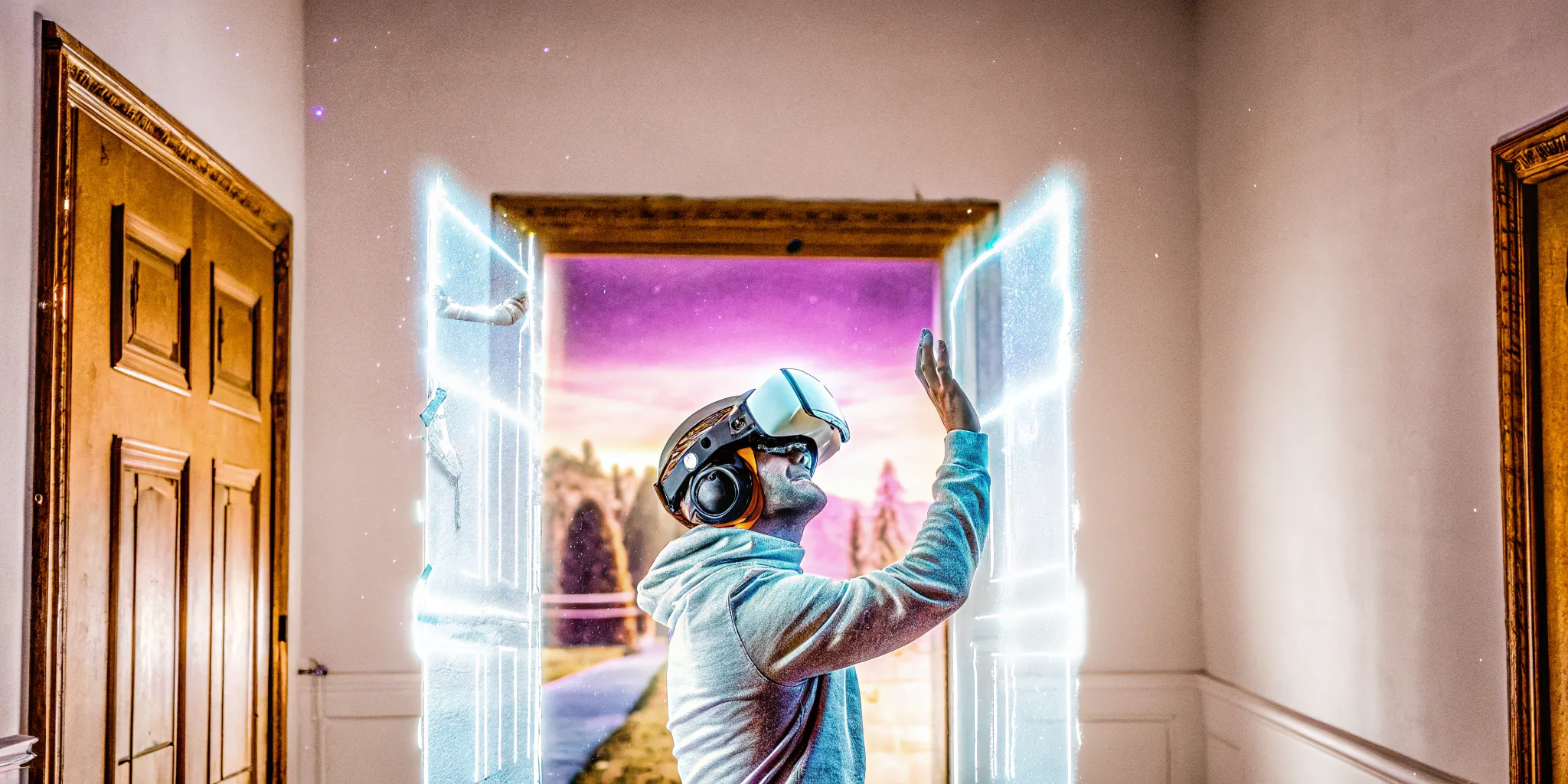
Step through the portal into advanced virtual reality experiences
While battling zombies with your friends is an undeniable thrill, the technology behind it is doing so much more than just powering games. The same principles that make for an amazing free-roam adventure are also revolutionizing industries from medicine to automotive design. This is the power of advanced virtual reality: a tool so versatile it can train surgeons, help architects walk through buildings before they're built, and allow designers to perfect a new car in a virtual space. We'll explore the incredible real-world applications of this technology, showing how it's not just about entertainment, but about building a safer, more efficient, and more innovative future.
Key Takeaways
- Look beyond the brand name at the core tech: A truly immersive experience comes from a combination of high-resolution displays, a wide field of view, and seamless motion tracking working together to create a believable world.
- Match the headset to your main goal: Before getting lost in specs, decide if you're a dedicated gamer, a casual user, or a professional. This choice will guide you toward the right balance of performance, features, and price.
- Experience the tech before you invest: Reading about VR is one thing, but trying a premium free-roam experience shows you what's truly possible. It's the best way to understand the difference between a home setup and a full-body, untethered adventure.
What Makes Virtual Reality "Advanced"?
When you hear the term "advanced VR," it's easy to think it just means a fancier headset, but it's much more than that. Advanced virtual reality is all about how deeply and convincingly the technology can transport you to another place. It's the combination of several key elements working together to create an experience so real, your brain happily goes along for the ride.
First and foremost is visual quality. Advanced systems don't just show you a digital world; they make it look breathtakingly real. This comes down to high-resolution displays that eliminate distracting pixel patterns and produce crisp, vibrant images. Top-tier headset makers like Varjo are pushing the limits with human-eye resolution, creating visuals so clear they blur the line between what's real and what's virtual. This level of detail is crucial for making you feel truly present.
Beyond stunning graphics, advanced VR is defined by its level of immersion. The goal is to achieve fully immersive virtual reality, where you feel completely enveloped by the digital environment. This is where precise, real-time tracking comes in. In a free-roam experience like ours, the system follows your every step, duck, and turn without any noticeable delay. This seamless one-to-one movement makes your interactions feel natural and intuitive, solidifying the illusion that you are physically inside the game. It's this powerful combination of sight, sound, and movement that separates a basic VR session from a truly advanced and unforgettable adventure.
A Guide to the Top Advanced VR Headsets
The world of virtual reality is packed with incredible technology, and picking the right headset can feel like a big decision. From mixed-reality powerhouses to professional-grade visual tools, each device offers something unique. To help you get a feel for what's out there, here's a look at some of the top advanced VR headsets currently making waves.
Meta Quest 3
The Meta Quest 3 is a fantastic all-arounder that truly shines with its mixed-reality features. It runs on the powerful Snapdragon XR2 Gen 2 processor, which means you get double the graphics performance of its predecessor for incredibly fast load times and smooth gameplay. The headset uses full-color passthrough cameras, allowing you to see your real-world surroundings and interact with digital objects overlaid on top of them. It also has some great exclusive features, like inside-out tracking that doesn't require any external sensors, making it super easy to set up and use anywhere. Whether you're just getting started with VR or looking for a versatile device that can handle both games and productivity apps, the Quest 3 delivers a premium experience at a reasonable price point.
Varjo XR-3
If you're looking for photorealistic visuals, the Varjo XR-3 is in a class of its own. This headset is built for professional applications where detail is everything, like advanced training simulations and industrial design. It achieves its stunning clarity with ultra-high-resolution displays that mimic the way the human eye sees. Combined with advanced eye-tracking technology, the XR-3 delivers an incredibly immersive and true-to-life experience. While it's geared more toward enterprise and professional use, it represents the cutting edge of what's possible when cost isn't the primary concern.
Apple Vision Pro
Apple entered the scene with a device that beautifully integrates augmented and virtual reality. The Apple Vision Pro is a sleek headset powered by Apple's own custom silicon, ensuring high performance and efficiency. The user experience is front and center, with intuitive features like spatial audio that makes sound feel like it's coming from your environment and advanced gesture recognition that lets you control things with your hands and eyes. Instead of controllers, you interact with the interface using natural gestures and eye movements, which feels incredibly futuristic. It's designed to blend seamlessly into your daily workflow, whether you're watching movies, collaborating on projects, or exploring virtual spaces.
HTC Vive Pro 2
For dedicated gamers and VR enthusiasts who crave top-tier visual quality, the HTC Vive Pro 2 is a serious contender. This headset delivers a stunning 2448 x 2448 resolution per eye, which means graphics are incredibly sharp and detailed. It also features a wide 120-degree field of view, allowing you to see more of the virtual world around you and feel more immersed. The Vive Pro 2 is backed by a robust tracking system that's perfect for room-scale VR, letting you move around freely in your space. It requires a powerful PC to run, but the trade-off is access to some of the most visually impressive VR experiences available.
HP Reverb G2
The HP Reverb G2 is widely praised for its exceptional visual clarity and comfortable design, making it a favorite among simulation fans and VR developers. It offers a crisp 2160 x 2160 resolution per eye, so text and fine details are easy to see. One of its best features is its inside-out tracking, which means you don't need to set up any external sensors or base stations—you can just plug it in and play. This makes it much more portable and convenient to use. With high-quality speakers developed by Valve and a comfortable headstrap, the G2 is designed for long sessions and delivers a premium experience without breaking the bank.
What to Look for in an Advanced VR Headset
When you're looking for a truly mind-blowing virtual reality experience, the headset is everything. But what separates a basic model from an advanced one that can transport you to another world? It's not just one single feature, but a combination of technology working together to trick your senses into believing what you see and feel. High-end headsets focus on creating a seamless and believable experience, from crystal-clear visuals to tracking that perfectly mirrors your every move.
Understanding these key components can help you appreciate the difference between playing a game at home and stepping into a premium, free-roam adventure. We'll break down the most important features to look for, including display quality, tracking accuracy, comfort, and more. Whether you're thinking about buying your own headset or just curious about the tech that powers incredible VR arenas, this guide will show you what makes an advanced VR headset worth it.
Resolution and Display
The heart of any VR experience is what you see. Resolution is a measure of how many pixels are in the display for each eye. Higher resolution means a sharper, more detailed image and less of the "screen door effect," where you can see the lines between pixels. This is crucial for realism. Advanced headsets from companies like Varjo are built for professional fields and prioritize the clearest visuals possible, making virtual objects and environments feel solid and real. When the visuals are sharp and realistic, your brain is much more willing to accept the virtual world as genuine, which is essential for true immersion.
Field of View
Field of View, or FoV, refers to how much of the virtual world you can see at any given time. Think of it as your digital peripheral vision. A narrow FoV feels like you're looking through binoculars, which can constantly remind you that you're in a simulation. An advanced headset with a wide field of view fills your vision, making the experience feel much more natural and expansive. This wider perspective is key to feeling truly present in the virtual environment, as it more closely matches how you see the real world.
Tracking and Motion Controls
For a VR experience to feel real, the system needs to track your movements perfectly. Advanced headsets use sophisticated tracking to monitor the position of your head and hands with incredible precision. This means when you duck, lean, or walk, your in-game avatar does the same in real-time, without any lag. As publications like PCMag test VR headsets, they look closely at how well the device tracks movement. Paired with ergonomic motion controls that feel like a natural extension of your hands, this creates a seamless connection between your physical actions and what happens in the virtual world.
Comfort and Fit
All the tech in the world doesn't matter if the headset is too heavy or uncomfortable to wear for more than a few minutes. Advanced VR headsets are designed with ergonomics in mind. They feature balanced weight distribution, soft and breathable padding, and highly adjustable straps to ensure a snug but comfortable fit for different head shapes and sizes. Newer models like the Meta Quest Pro have made significant strides in comfort, making them suitable for longer play sessions. A comfortable headset means you can focus entirely on the experience without being distracted by discomfort.
Processing Power
The processing power of a VR system determines how complex and visually stunning its virtual worlds can be. Some headsets, known as standalone devices, have a built-in processor, while others are tethered to a powerful computer. High-end systems, like the Apple Vision Pro, are sometimes called "spatial computers" because they pack enough power to create incredibly sharp, vibrant displays and handle complex interactions using just your eyes and hands. More processing power means more detailed environments, smoother animations, and the ability to run more demanding applications without stuttering or lag.
Audio Quality
What you hear is just as important as what you see. Advanced VR headsets incorporate 3D spatial audio, which makes sounds seem like they're coming from specific directions in the virtual space. If an enemy is sneaking up behind you or a ship is flying overhead, you'll hear it from the correct location. This not only makes the world feel more alive but is also crucial for gameplay, giving you auditory cues about your surroundings. Headsets like the Meta Quest 2 integrate 3D sound directly into the headset design, eliminating the need for separate headphones while delivering rich, immersive audio.
Wireless vs. Wired
The choice between a wireless or wired headset often comes down to a trade-off between freedom and power. Wireless, or standalone, headsets offer complete freedom of movement, which is essential for free-roam experiences where you need to walk, duck, and turn without getting tangled in cables. Wired, or tethered, headsets must be connected to a powerful PC or console. This connection typically allows for higher-fidelity graphics and more processing power, but it limits your movement to the length of the cable. The best choice depends on whether you prioritize total freedom of movement or the highest possible visual quality.
Price vs. Performance: Which Headset Is Worth It?
Let's talk about the big question: how much do you need to spend to get a great VR experience? The truth is, the "best" headset really comes down to what you want to do with it and what your budget looks like. You can get an incredible, immersive experience without a massive investment, but there are also some seriously powerful, high-end options if you're a professional or just want the absolute cutting edge of technology. And if you want to experience what truly high-end, free-roam VR feels like before making any purchase, visiting a premium arcade is the perfect way to test the waters.
Let's break down some of the top contenders to see where your money is best spent.
Meta Quest 3
For most people dipping their toes into VR or looking for a fantastic all-around device, the Meta Quest 3 is the answer. Starting at around $500, it hits the sweet spot of price and performance. It's a standalone headset, which means you don't need a powerful PC to run it—everything you need is built right in. The visuals are sharp, and its mixed-reality features let you see your real-world surroundings in full color, which is a huge step up. It's powerful enough to run thousands of apps and games from the Quest Store, and the wireless design gives you total freedom to move around. For the vast majority of users, this headset delivers more than enough power and features to provide an incredible VR experience.
Meta Quest Pro
If you're a serious VR enthusiast, a developer, or a professional who uses VR for work, the Meta Quest Pro is a significant upgrade. Priced closer to $1,000, its main advantages are comfort and advanced tracking. The Pro includes eye-tracking and face-tracking, which means your in-game avatar can mirror your real-life expressions. This adds a whole new layer of social presence and realism to virtual meetings and games. It's a more specialized device, but for those who need its advanced features for professional applications or want the most cutting-edge social VR experiences, it's worth the investment.
Apple Vision Pro
At the high end of the market, the Apple Vision Pro commands a premium price of around $3,500, and it's aimed at early adopters and professionals who want to be on the cutting edge. What you're paying for is Apple's signature user experience, incredibly sharp displays, and advanced hand and eye tracking that eliminates the need for controllers entirely. It's designed to blend VR and AR seamlessly, allowing you to work, watch movies, and explore virtual worlds with unprecedented clarity. However, its high price point means it's not for everyone—it's more of a glimpse into the future of computing than a mainstream entertainment device.
Varjo XR-4
For professionals in fields like automotive design, architecture, or medical training, the Varjo XR-4 represents the absolute pinnacle of VR technology. With a price tag that can exceed $10,000, it's definitely not a consumer device. What justifies this cost is its human-eye resolution displays and photorealistic mixed reality that can blend the real and virtual worlds so seamlessly that it's nearly impossible to tell them apart. For companies that need this level of precision for critical applications—like training pilots or designing million-dollar products—the investment makes sense. For everyone else, it's a fascinating example of where the technology is heading.
Advanced VR Applications Beyond Gaming
While gaming gets most of the attention, advanced VR is quietly transforming industries in ways that could impact your daily life. The same technology that creates thrilling adventures is now being used to solve real-world problems, from training the next generation of doctors to helping engineers design safer cars. These professional applications often push VR technology to its limits, demanding levels of precision and realism that go far beyond what's needed for entertainment.
Medical Training and Healthcare
In healthcare, VR is revolutionizing how medical professionals train and practice. Surgeons can now rehearse complex procedures in a virtual environment before operating on real patients, reducing risk and improving outcomes. Medical schools are using VR to let students explore the human body in three dimensions, walking through virtual anatomy in ways that textbooks never could. Studies have shown that VR training can improve surgical precision and reduce errors. The technology is also being used for pain management, helping patients cope with chronic pain through immersive relaxation experiences and distraction therapy.
Automotive and Industrial Design
Car manufacturers like Ford and BMW are using advanced VR to design and test vehicles long before building physical prototypes. Engineers can sit inside a virtual car, test ergonomics, check sight lines, and even simulate crash scenarios. This saves millions of dollars in development costs and allows for rapid iteration of designs. Industrial designers use VR to visualize everything from factory layouts to product packaging, enabling teams from around the world to collaborate in shared virtual spaces. The precision required for these applications drives demand for the highest-quality VR systems available.
Architecture and Construction
Architects are using VR to let clients walk through buildings before they're built, making design decisions more collaborative and reducing costly changes during construction. Construction companies use VR for safety training, allowing workers to practice dangerous scenarios in a safe environment. Major firms report that VR helps them communicate design concepts more effectively and catch potential problems early in the process. The technology is particularly valuable for large, complex projects where mistakes can be extremely expensive.
Education and Training
Beyond traditional classrooms, VR is creating new possibilities for education. Students can take virtual field trips to ancient Rome, explore the ocean depths, or witness historical events firsthand. Military and emergency services use VR for realistic training scenarios that would be dangerous or impossible to recreate in real life. Pilots train in virtual cockpits that respond exactly like real aircraft, allowing them to practice emergency procedures safely. Research indicates that VR can improve learning retention and engagement, making complex concepts easier to understand through immersive, hands-on experiences.
The Future of VR Technology
The VR landscape is evolving at an incredible pace, with new breakthroughs happening regularly. What we consider "advanced" today will likely seem basic in just a few years. Companies are working on everything from ultra-lightweight glasses to brain-computer interfaces that could eliminate the need for controllers entirely. The goal is always the same: to make virtual experiences so realistic and seamless that the technology itself becomes invisible.
Haptic Feedback and Full-Body Tracking
The next major leap in VR will likely come from advances in haptic feedback—technology that lets you feel virtual objects. Companies like Ultraleap are developing systems that can create the sensation of touch using ultrasound, allowing you to feel raindrops or the texture of surfaces without wearing gloves. Full-body tracking suits are becoming more sophisticated, capturing not just hand and head movements but your entire body's motion. This technology promises to make VR experiences even more immersive and natural.
Artificial Intelligence Integration
AI is set to revolutionize VR by creating more responsive and intelligent virtual environments. Instead of pre-programmed scenarios, AI can generate infinite variations of experiences, create realistic virtual characters that respond naturally to conversation, and adapt games in real-time based on your skill level and preferences. NVIDIA's Omniverse platform is already showing how AI can create photorealistic virtual worlds that respond and adapt to user input in ways that feel completely natural.
Compact Form Factors
One of the biggest challenges in VR is making headsets smaller and lighter while maintaining high performance. Companies are working toward VR glasses that look and feel more like regular eyewear. Apple's work on micro-OLED displays and pancake lenses is pushing the industry toward thinner, lighter devices. The ultimate goal is VR that's as convenient to use as putting on a pair of sunglasses, eliminating the bulk and setup complexity that can be barriers to adoption.
Getting Started with Advanced VR
If you're ready to dive into the world of advanced virtual reality, the best place to start is by experiencing it firsthand. While reading about specs and features is helpful, nothing compares to actually stepping into a high-end VR environment to understand what all the technology can achieve. Here's how to get started on your VR journey.
Try Before You Buy
Before investing in any headset, experience VR at its best by visiting a premium arcade or demonstration center. This gives you a baseline for what advanced VR should feel like and helps you understand which features matter most for your interests. Many electronics stores also offer demo stations where you can try different headsets side by side. This hands-on experience is invaluable for making an informed decision about which device is right for you.
Consider Your Space and Setup
Think about where you'll use VR most often. Do you have a dedicated room, or will you need to set up and pack away the system regularly? Some headsets require external sensors or base stations, while others work with just the headset itself. Consider your technical comfort level as well—some systems require more setup and maintenance than others. Factor in your existing hardware too; tethered headsets need a powerful gaming PC, while standalone devices work independently.
Start with Quality Content
Once you have a headset, the content you choose will make or break your experience. Start with highly-rated, well-established VR experiences rather than experimental or low-quality content. Platforms like Steam VR and the Quest Store have user reviews and ratings that can guide you toward the best experiences. Don't be afraid to try different genres—VR excels at things that are impossible in traditional gaming, like exploration, puzzle-solving, and social experiences.
Frequently Asked Questions
What's the difference between a home VR setup and a free-roam arcade experience?
The biggest difference is scale and freedom. Home VR setups, even the best ones, are limited by your available space and the need to avoid obstacles like furniture. Free-roam experiences take place in a massive, open space where you can physically walk, run, and explore the virtual world without restriction. The technology is built for large-scale tracking, allowing you and your friends to move naturally and share the same adventure, which creates a level of group immersion that's simply not possible with a home setup.
Do I need a powerful computer for a good VR experience?
Not anymore. The great thing about modern VR is that you have options. Standalone headsets, like the Meta Quest series, have all the processing power built right in, so you can get a fantastic, untethered experience right out of the box. Other headsets connect to a powerful PC to deliver the absolute highest level of graphical detail. It's a trade-off between the total freedom of a wireless system and the raw power a dedicated computer can provide.
With all the different headsets, is there one "best" option for everyone?
There really isn't a single "best" headset, just the best one for what you want to do. Your ideal choice depends entirely on your goals. If you want a versatile device for games and social apps, a standalone headset is a brilliant choice. If you're a professional who needs photorealistic detail for design work, a specialized headset like a Varjo is the right tool. It's all about matching the hardware's strengths to your own needs.
I've heard VR can cause motion sickness. Is that still a problem with these advanced systems?
That's a valid concern, but technology has come a long way in addressing it. Motion sickness in VR often happens when what your eyes see doesn't match what your body feels. Advanced systems minimize this with high-resolution displays and fast refresh rates that create a smoother, more stable image. More importantly, the precise, one-to-one tracking in free-roam experiences ensures that when you walk or turn in real life, your virtual self does the exact same thing in real-time, which helps your brain stay comfortable and immersed.
Are these expensive headsets like the Apple Vision Pro or Varjo XR-4 mainly for gaming?
While you could certainly play games on them, their high price tags are driven by their professional applications. These devices are more like specialized industrial tools than entertainment systems. They are built for fields like medicine, automotive design, and pilot training, where hyper-realistic visuals and advanced mixed-reality features are essential for complex work. For most gamers, the features that make these headsets so expensive are far beyond what's needed for a great gaming session.