
How to Host an Event VR Experience People Love
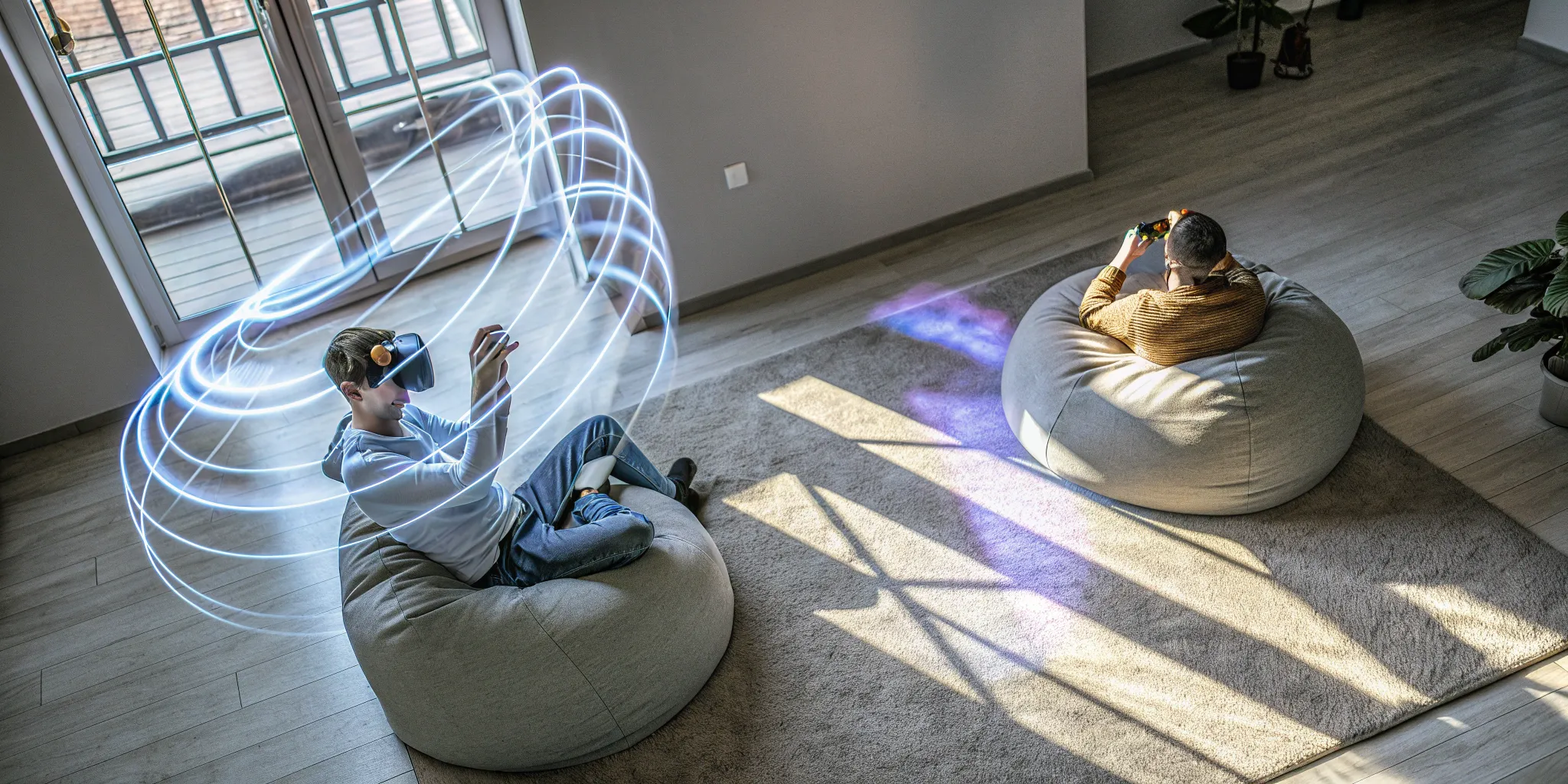
We've all been to that event. The one with the lukewarm appetizers, the predictable playlist, and the small talk that feels like a chore. As a host, your biggest fear is creating a forgettable experience. You want your guests to leave buzzing with excitement, not checking their watches. This is where virtual reality comes in. Adding event VR is the single best way to inject a massive dose of energy and genuine fun into any gathering. It's an instant conversation starter and a guaranteed memory-maker. This guide will walk you through everything you need to know to pull it off, from choosing the right gear to creating an experience that will have your guests talking for weeks.
Key Takeaways
- Start with Your "Why": Match the VR experience to your event's objective. A high-impact game is perfect for a trade show, while a collaborative puzzle works best for team building.
- Focus on Logistics Before Fun: A smooth event relies on the details. Secure the right gear, map out a safe physical space, and have a plan for hygiene and tech support before your guests arrive.
- Engage Everyone, Not Just the Player: Use a spectator screen to show what's happening inside the headset. This keeps the waiting crowd entertained and turns an individual activity into a shared spectacle.
What Is Event VR?
Event VR is all about using virtual reality to create an interactive and unforgettable experience for your guests. Instead of having them passively watch a presentation or mingle in a standard venue, you're giving them a chance to step directly into another world. Think of it as the ultimate party attraction or the most engaging trade show booth. It's a powerful tool because it makes your event stand out and gives people a story to tell afterward. When someone puts on a headset, they aren't just looking at a screen; they are fully immersed in a new environment.
This level of immersion creates a much stronger connection and a more lasting memory than traditional event activities. Whether you're launching a new product, hosting a company party, or celebrating a milestone birthday, VR adds a layer of excitement that's hard to match. It can be the main event, like a group-based zombie survival game, or a complementary station where guests can try different short experiences. The goal is to use this technology to make your event more engaging and leave a lasting positive impression on everyone who attends. It's a flexible and dynamic way to transform any gathering from ordinary to extraordinary.
What Kind of VR Experiences Are There?
The beauty of VR is its versatility. You can find an experience to fit almost any theme or goal. For corporate events, you could use VR for team-building exercises that require collaboration and communication to solve puzzles in a virtual escape room. At a trade show, you might use a racing simulator to draw a crowd or a virtual tour to showcase a new property.
For purely social gatherings like birthday parties or holiday events, the options are endless. You can set up fun challenges like walking a plank hundreds of feet in the air, sports games like a home run derby, or themed adventures that transport your guests to outer space. There are even relaxing experiences for a more low-key vibe. The key is to match the type of VR experience to your audience and the atmosphere you want to create.
Why Use VR at Your Next Event?
Adding VR to your event is more than just a fun gimmick; it's a strategic move that can deliver real results. For starters, it's a massive draw. The novelty and excitement of VR generate buzz and can significantly increase attendance and engagement. People are naturally curious, and offering a high-tech experience gives them a compelling reason to show up and participate.
From a business perspective, immersive technology has a proven impact. Studies show that the vast majority of event planners believe VR improves the return on investment for their events. It's an effective tool for everything from employee training and product demonstrations to brand activations. By creating a memorable, hands-on experience, you ensure your message sticks with your audience long after the event is over. It's a fantastic way to make a bold statement and show that you're an innovative host.
Get the Right Gear and Setup
Once you've decided to bring VR to your event, the next step is sorting out the logistics. The right equipment and a well-thought-out physical space are the foundation of an incredible experience. Getting these details right ensures your event is not just fun, but also safe, smooth, and memorable for everyone involved. Let's walk through what you need to create the perfect VR environment.
What Hardware Do You Need?
The heart of any VR experience is the hardware. You'll need high-quality headsets that offer crisp visuals and comfortable wear, along with responsive controllers for interaction. Depending on the experience, you might also need powerful PCs to run the software. The goal is to choose gear that makes the virtual world feel real. Great VR hardware helps create experiences that grab attention and leave a lasting memory. When guests can truly step into another world, it builds a much stronger emotional connection and makes your event stand out from the crowd.
Plan Your Space and Safety
Safety is your top priority. You need to set up a clear, open space for your VR experiences, free from furniture, cables, or any other tripping hazards. A good rule of thumb is to use floor markings or soft barriers to define the play area so guests know their boundaries. It's also essential to have staff on hand to watch over users and prevent accidents. A dedicated supervisor can help guide players, ensure they stay within the safe zone, and offer assistance if they feel disoriented. This careful planning prevents bumps and bruises and lets your guests immerse themselves without worry.
Line Up Your Tech Support
Even with the best gear, technology can have its moments. Having someone on-site who can troubleshoot technical issues is a must. This could be a tech-savvy member of your team or a professional from a VR rental company. These experts can handle everything from initial setup to fixing glitches on the fly, ensuring the experience runs smoothly. Whether you're hosting a trade show, a corporate party, or a team-building event, reliable tech support means you can focus on your guests instead of worrying about a headset losing connection.
Keep It Clean and Safe
Hygiene is crucial, especially when multiple people will be using the same equipment. Make it a standard practice to regularly clean VR headsets between users. You can use antibacterial wipes specifically designed for electronics or invest in a UV sanitizer box for a deeper clean. It's also a great idea to offer disposable face covers or masks for each guest. This simple step shows you care about their comfort and well-being, building trust and making everyone feel more at ease. A clean setup is a professional setup.
Choose the Right VR Solution
Not all VR experiences are created equal, and the right one for your event depends entirely on your goals. Are you trying to wow potential clients at a trade show, train your team on a new skill, or just throw an unforgettable party? Each scenario calls for a different type of virtual reality setup. Thinking about your objective first will help you select an experience that resonates with your guests and makes your event a success. Let's look at a few common event types and the VR solutions that work best for them.
VR for Trade Shows and Launches
At a trade show or product launch, your main goal is to stand out and be memorable. VR is a fantastic tool for this because it creates an immersive brand interaction that people will talk about long after the event is over. Instead of just telling people about your product, you can let them experience it. VR helps events grab attention and build a stronger emotional connection with your brand. Think about a short, high-impact game that incorporates your logo or a virtual tour of a product that isn't physically available yet. The key is to keep it quick, engaging, and easy for anyone to try.
VR for Corporate Training
If you want to make your corporate training more effective, VR is a game-changer. It allows you to create realistic simulations where employees can practice complex tasks or run through emergency procedures in a completely safe environment. This hands-on approach is far more engaging than a slideshow presentation and helps with information retention. VR is useful for everything from virtual tours of a new facility to detailed technical training for manufacturing or medical fields. It gives your team a chance to learn by doing, which is one of the most powerful ways to build skills and confidence.
VR for Fun and Games
Sometimes, the goal is just to have a great time. For birthday parties, holiday gatherings, or team-building events, VR offers a unique and exciting group activity. The best experiences for these events are multiplayer games that encourage communication, collaboration, and a bit of friendly competition. You can bring VR to all kinds of social gatherings to break the ice and get people moving and laughing together. Whether you're fighting off zombies side-by-side or solving a puzzle as a team, a shared VR adventure creates lasting memories and strengthens bonds between friends and colleagues.
Find Experiences for the Whole Group
When planning for a group, logistics are key. You need a VR solution that can accommodate everyone without creating long, boring wait times. Look for experiences that can either handle many users at once or offer quick sessions to keep the line moving. Free-roam VR is great for this because multiple people can play in the same physical and virtual space simultaneously. For larger events, consider setting up a sign-up sheet or having a spectator screen so those who are waiting can still watch the action and feel included in the fun. This keeps the energy high and ensures everyone gets a chance to play.
Create Engaging VR Content
The best VR hardware in the world won't matter if the content falls flat. The experience you choose is the heart of your event, and it needs to be captivating enough to make people forget where they are. Great VR content isn't just about cool visuals; it's about creating a world that your guests can step into and interact with. It should be intuitive for beginners but engaging enough for everyone. Whether you're aiming for a fun party game or a sophisticated brand presentation, the goal is to create something that grabs your guests' attention and leaves a lasting, positive memory. The right content can turn a simple demonstration into a genuine adventure. It's the difference between a guest saying "that was neat" and "that was incredible." From adding interactive elements that empower your guests to designing a world that feels real, every detail contributes to the overall impact. This is where you decide what story you want to tell and how you want your guests to feel. A well-chosen experience can make complex ideas easy to grasp or simply provide an escape into pure fun. Let's walk through the key elements that make for truly unforgettable VR content.
Add Interactive Elements
Passive experiences are forgettable. The real magic of VR happens when guests can interact with their environment. Instead of just watching a scene unfold, let them pick up objects, solve puzzles, or influence the story. This is what makes the experience stick. Interactive elements turn your event into something more than just a tech demo; they create fun, hands-on learning experiences that are perfect for training or explaining complex ideas in a simple way. For parties and social gatherings, interactivity is everything. It's the difference between watching a movie and being the hero of the story. When guests feel like their actions matter, they become fully invested, leading to those "wow" moments you're looking for.
Design an Immersive World
A truly immersive world is one that feels believable and pulls your guests in completely. The goal is to transport them somewhere else, whether it's a fantastical landscape, a futuristic city, or a detailed product showroom. Strong environmental storytelling uses visuals and details to build a sense of place and history without saying a word. This is your chance to take people on a journey they couldn't otherwise have. VR is an incredible tool for showcasing large-scale products, demonstrating digital services, or letting people explore a new location from your event floor. The more detailed and convincing the world is, the more memorable the experience will be for your guests.
Include a Spectator View
Don't let the VR experience be a secret hidden inside the headset. Always stream what the player is seeing onto a nearby TV or projector screen. This "Spectator View" is essential for building excitement and keeping everyone engaged, especially those waiting for their turn. It turns an individual experience into a shared spectacle, drawing a crowd and letting onlookers cheer, laugh, and understand what's happening. This is especially important at busy events like trade shows, where you want to attract attention. Seeing the action unfold in real-time makes people curious and eager to try it for themselves, effectively turning your VR station into a centerpiece attraction for your event.
Build Atmosphere with Sound
Visuals are only half the battle; what your guests hear is just as important for creating a believable world. High-quality audio completes the illusion of being somewhere else. Use good, noise-canceling headphones to block out the noise of the event and immerse players in the virtual environment. The right spatial audio can make sounds feel like they're coming from specific directions, which helps with navigation and makes the world feel more alive. A great soundtrack, realistic sound effects, and ambient noise all work together to build tension, create a mood, and guide the player's attention. Never underestimate the power of sound to make or break the sense of immersion.
Handle the Technical Details
The magic of a great VR event happens when the technology becomes invisible, letting your guests get lost in the experience. Getting to that point requires a little behind-the-scenes work. Focusing on the technical details beforehand is the best way to ensure everything runs smoothly on the day of your event. When you have a solid plan for your equipment, network, staff, and any potential hiccups, you're free to focus on your guests having an amazing time.
Maintain Your Equipment
Happy headsets make for happy guests. The most common issues at a VR event often come down to simple equipment maintenance. Before your event, make sure every headset is fully charged and that you have a dedicated charging station with extra batteries on hand. It's also a great practice to periodically restart the headsets, as this can clear out minor glitches before they become bigger problems. Assigning one person to manage the equipment can help keep everything organized and ready for the next guest.
Check Your Network Needs
A stable internet connection is the invisible backbone of your VR experience, especially if you're running multiplayer games or streaming content. A slow or spotty network can cause lag that pulls guests right out of the immersion. Before your event, test the venue's Wi-Fi speed and stability. For the best results, consider setting up a dedicated network just for the VR equipment to avoid competing for bandwidth. Understanding your specific platform's network requirements will help you prepare and ensure a seamless connection for every user.
Train Your Staff
Your team is the bridge between the technology and your guests. A well-trained staff can make anyone, even a complete VR novice, feel comfortable and excited. Your team should be experts on the hardware and software, capable of quickly getting guests set up, explaining the controls, and answering questions. They are your front-line support, guiding players and ensuring everyone has a positive experience. Investing time in training your event staff on both the tech and customer service will pay off immensely in guest satisfaction.
Have a Troubleshooting Plan
Even with the best preparation, technical issues can pop up. The key is to have a plan so you can resolve them quickly and calmly. Create a simple troubleshooting guide for your staff covering common problems, like a controller losing tracking or a headset needing to be recalibrated. Beyond technical glitches, you should also have a plan to gather feedback. You can use QR codes linked to a short survey to ask guests about their experience. This helps you measure your event's success and identify areas for improvement.
Keep Your Event Running Smoothly
Once your VR event is up and running, the real work begins. A successful experience isn't just about cool tech; it's about making sure your guests have a fantastic time from start to finish. Little logistical hiccups can quickly turn an exciting attraction into a frustrating one. Long lines, technical difficulties, or confusion about what to do next can dampen the mood for everyone.
The key is to think like a guest. What would make the experience seamless and fun for them? By planning for potential issues ahead of time, you can create a smooth, engaging event that people will be talking about for all the right reasons. A little foresight goes a long way in managing everything from wait times to equipment, ensuring your VR setup is a highlight, not a headache. The following tips will help you keep things organized and your guests happy.
Manage Wait Times Effectively
Nothing kills the energy at an event faster than a long, boring line. If only one person can play at a time, you're going to have a crowd of people waiting with nothing to do. Instead, choose experiences designed for groups so more people can participate at once. This is where free-roam VR really shines, as it allows teams to play together.
Another great way to keep waiting guests entertained is to set up a spectator view. By streaming what the player sees in VR onto a large screen or monitor, you turn the wait into a show. People can cheer on their friends and get excited for their own turn. This simple addition makes the entire experience more social and keeps everyone engaged, even when they aren't wearing a headset.
Make It Accessible for Everyone
VR is an incredible experience, but it might not be for everyone at your event. Some guests may be prone to motion sickness, while others might simply prefer to watch. To create an inclusive atmosphere, make sure there are ways for everyone to participate. The spectator screen is a great start, as it lets people feel like they're part of the action without putting on a headset.
For corporate or hybrid events, you can also explore virtual event platforms that allow people to join from a standard computer. The goal is to ensure no one feels left out. By providing options, you cater to different comfort levels and technical abilities, making the event enjoyable for your entire guest list.
Manage Your Time
Behind every great VR experience is solid time and equipment management. The last thing you want is for a headset to die mid-game. Before the event starts, make sure every piece of equipment is fully charged. It's also smart to have a charging station ready with extra batteries on hand, just in case. A good practice is to assign someone to manage the hardware throughout the event.
Beyond power, consider the tech's performance. VR headsets can sometimes get sluggish after continuous use. To prevent glitches, it's a good idea to restart the devices every few sessions. This quick reset can clear out any temporary files and keep the experience running smoothly for every guest.
Plan Your Event's Flow
Think about how the VR experience fits into the bigger picture of your event. A well-thought-out event flow prevents bottlenecks and keeps guests moving. If you have the space, setting up multiple VR stations can dramatically reduce wait times and allow more people to play. Clearly mark where guests should line up, where they can watch, and what they should do after their turn.
Consider the entire guest journey. Do they need to sign a waiver first? Is there a brief tutorial before they start? Planning these steps ensures that people know exactly what to expect. A clear, organized process makes the experience feel professional and lets your guests focus on having fun instead of figuring out what to do next.
Understand the Costs and ROI
Adding a VR experience to your event is an investment, so it's smart to have a clear picture of the costs and how you'll measure its impact. The budget can vary widely depending on the scale of your event, the type of experience you choose, and whether you handle it yourself or bring in experts. Think about not just the price tag, but the value it adds—like creating a memorable experience for guests or generating buzz for your brand.
A great VR setup can be the highlight of your event, but it requires more than just a few headsets. You'll need to account for the hardware, the software, the space, and the people needed to run it all smoothly. Breaking down the costs helps you build a realistic budget and justify the expense. At the same time, defining what success looks like beforehand will ensure you can track your return on investment (ROI), whether that's measured in guest satisfaction, lead generation, or social media engagement.
Look at Equipment Costs
The most obvious expense is the hardware itself. This includes VR headsets, controllers, and the computers or consoles powerful enough to run the experiences. The cost can add up quickly, especially if you need multiple stations to accommodate your guests. Instead of buying everything, consider working with a company that offers different VR experiences and rental packages to fit your event's specific needs. This approach saves you the upfront investment and the hassle of storing and maintaining the equipment yourself. It also gives you access to the latest tech without a long-term commitment.
Factor in Setup and Staffing
Don't overlook the human element required to make your VR experience a success. You'll need skilled staff for setup, guest assistance, and troubleshooting. A professional team can manage the entire process, from planning the layout to running the stations during the event. Having a dedicated team that handles everything ensures your guests have a seamless and enjoyable experience without technical glitches. This frees you up to focus on other aspects of your event, knowing the VR component is in expert hands. When budgeting, be sure to account for the cost of this essential support.
Consider Software Development
The VR content is just as important as the hardware. You can choose from existing games and experiences or create a custom one for your brand. Off-the-shelf options are more budget-friendly and great for parties or casual gatherings. However, if you're hosting a product launch or corporate event, a bespoke experience can make a huge impact. Platforms are available that let you customize the look and feel of virtual spaces, which is perfect for branding. While custom development is a bigger investment, it offers a unique and memorable way to connect with your audience.
Measure Your Success
To understand the ROI of your VR activation, you need to define and track key metrics. Success isn't just about how many people tried the experience; it's about their engagement and feedback. Were they wowed? Did they share it on social media? For corporate events, did it help generate leads or effectively train employees? You can gather this data directly from attendees. Using simple tools like post-experience surveys or QR codes to get feedback is an effective way to measure sentiment and prove the value of your investment.
Market Your VR Event
You've put in the work to create an incredible VR experience, but now you need to get people excited about it. Marketing your event is about building anticipation and showing everyone why they can't miss out. A great promotional strategy ensures you have a full house of enthusiastic guests ready to dive into the virtual world you've prepared. It's not just about filling spots; it's about creating a buzz that lasts long after the headsets come off.
Promote Before the Event
Start building excitement well before the event date. Your goal is to create a sense of FOMO (fear of missing out). Share teaser videos or images that hint at the virtual worlds guests will explore. Use email marketing to send out "save the dates" and exclusive sneak peeks to your subscriber list. The key is to highlight what makes your VR experience unique. VR helps events stand out by creating an immersive adventure that people will remember. Focus your messaging on the feeling of stepping into another reality and the shared memories your guests will create.
Create a Social Media Plan
A solid social media plan is your best friend for building buzz. Create a unique, memorable hashtag for your event and use it across all your posts. Share behind-the-scenes content of your team setting up the gear or testing the games. You can also run a contest where followers can win free tickets by sharing your post or tagging friends. To really capture attention, create VR content that is special and interactive, like a 360-degree photo of the event space or a short, personalized video message. This gives your audience a taste of the immersive experience and encourages them to join in on the fun.
Partner with Influencers
Influencers can introduce your VR event to a whole new audience. Look for local gamers, tech reviewers, or lifestyle bloggers in your area who have an engaged following. Invite them to a private preview of the experience in exchange for an honest review or a few social media posts. Since VR is useful across many industries, you can find partners in unexpected places, from corporate event planners to family-focused content creators. A genuine recommendation from a trusted voice can be incredibly powerful and lend a ton of credibility to your event.
Market on the Day Of
Don't stop marketing once the doors open. Encourage attendees to share their experiences live by creating photo-worthy moments and designated selfie stations with your event hashtag clearly visible. A fantastic way to build excitement for those waiting in line is to stream what's happening inside the VR headset to a large screen. This "Spectator View" lets everyone in on the action and shows them exactly what they have to look forward to. This simple step can build excitement and keep the energy high throughout the entire event.
Plan for the Future
Hosting a great VR event is a huge accomplishment, but the work doesn't stop when the headsets come off. The virtual reality landscape is always changing, and staying ahead of the curve will keep your events feeling fresh and exciting. Thinking about what's next helps you build on your success, refine your approach, and ensure your VR experiences continue to wow your guests every single time. It's all about creating a long-term strategy that grows with the technology and your audience's expectations.
Keep an Eye on New Tech
The world of VR technology moves quickly. Lighter, wireless headsets are making experiences more comfortable and immersive, while AI is starting to create personalized content that adapts to user actions in real time. Keep an eye on emerging trends like social VR, where guests can interact in shared virtual spaces, making group events feel even more connected. Staying informed about these advancements allows you to incorporate the latest and greatest features into your future events, ensuring you're always offering a cutting-edge experience that leaves a lasting impression on your attendees.
Plan for Growth
How do you know if your VR experience was a success? The best way is to measure it. Track key metrics like how many people participated, how long they stayed engaged, and what they had to say afterward. You can gather valuable feedback by using simple tools like QR codes linked to a short survey. This data is incredibly useful for understanding what your audience loved and where you can improve. It also helps you demonstrate the value of your event and make a strong case for incorporating VR into future plans.
Integrate with Other Platforms
Your VR station doesn't have to be an island. Think about how it can connect with the other technologies you're using at your event. For corporate or hybrid events, some VR platforms can integrate with tools like Zoom or Microsoft Teams, allowing remote attendees to join in or watch the action. This creates a more unified and inclusive experience for everyone, whether they're in the room or joining from halfway around the world. Finding ways to bridge the gap between the physical and virtual worlds makes your event more dynamic and accessible.
Find Ways to Innovate
To make your VR event truly unforgettable, think beyond standard experiences and find ways to get creative. This is your chance to offer something unique that your guests can't get anywhere else. You could develop custom content that aligns perfectly with your event's theme, like an exclusive product preview for a launch party or a personalized adventure for a birthday celebration. The more interactive and special you can make the content, the more memorable it will be. Brainstorming unique event ideas is the key to standing out.
Related Articles
- Exploring Advanced Virtual Reality: Top Headsets & Applications
- Bachelor Parties: Why VR is the Ultimate Group Experience
- Team Building with VR: A New Way to Connect
- Austin Tech Attractions: Explore VR, Meetups & More
- Affordable Home VR Arcade: Bringing the Experience Home
Frequently Asked Questions
What if my guests have never tried VR before? Is it difficult for beginners? Not at all. Most modern VR experiences are designed to be incredibly intuitive, and people usually pick up the controls in just a minute or two. The key is having a friendly staff member on hand to walk each person through the basics, from putting on the headset correctly to understanding the controllers. A quick, clear introduction ensures everyone feels confident and ready to play, regardless of their tech-savviness.
How much space do I really need to set up a VR experience? The amount of space depends entirely on the type of experience you choose. Some seated or stationary games require very little room, while free-roam adventures need a larger, open area. Your main priority should always be safety. You'll want to create a clearly defined play zone that is completely free of furniture, cables, or other tripping hazards. A professional VR provider can help you assess your venue and recommend the best setup for your specific space.
How can I make sure a VR station doesn't create long, boring lines at my event? This is a great question because managing guest flow is crucial. The best strategy is to choose experiences that are designed for groups, like a free-roam game where multiple people can play together. Another essential tool is a spectator screen. By streaming what the player is seeing onto a TV or projector, you turn waiting into a fun, shared experience where people can cheer on their friends and get excited for their turn.
What's the best way to handle guests who might be worried about motion sickness? While modern, high-quality VR equipment has significantly reduced the chances of motion sickness, it's still a valid concern for some. It helps to choose experiences that don't involve a lot of artificial movement, like puzzle games or stationary shooters. Also, ensure your staff is trained to check in with guests and can offer immediate assistance if someone starts to feel uncomfortable. Giving people the option to stop at any time makes them feel much more secure.
Is it better to rent VR equipment or buy it for my event? For almost any single event, renting is the most practical and cost-effective option. When you rent from a professional company, you get access to the latest high-end equipment without the huge upfront cost. More importantly, rental packages typically include expert staff who handle all the setup, troubleshooting, and guest assistance, which lets you focus on your event instead of worrying about the technology.