
The Ultimate Guide to Team Building in Virtual Reality
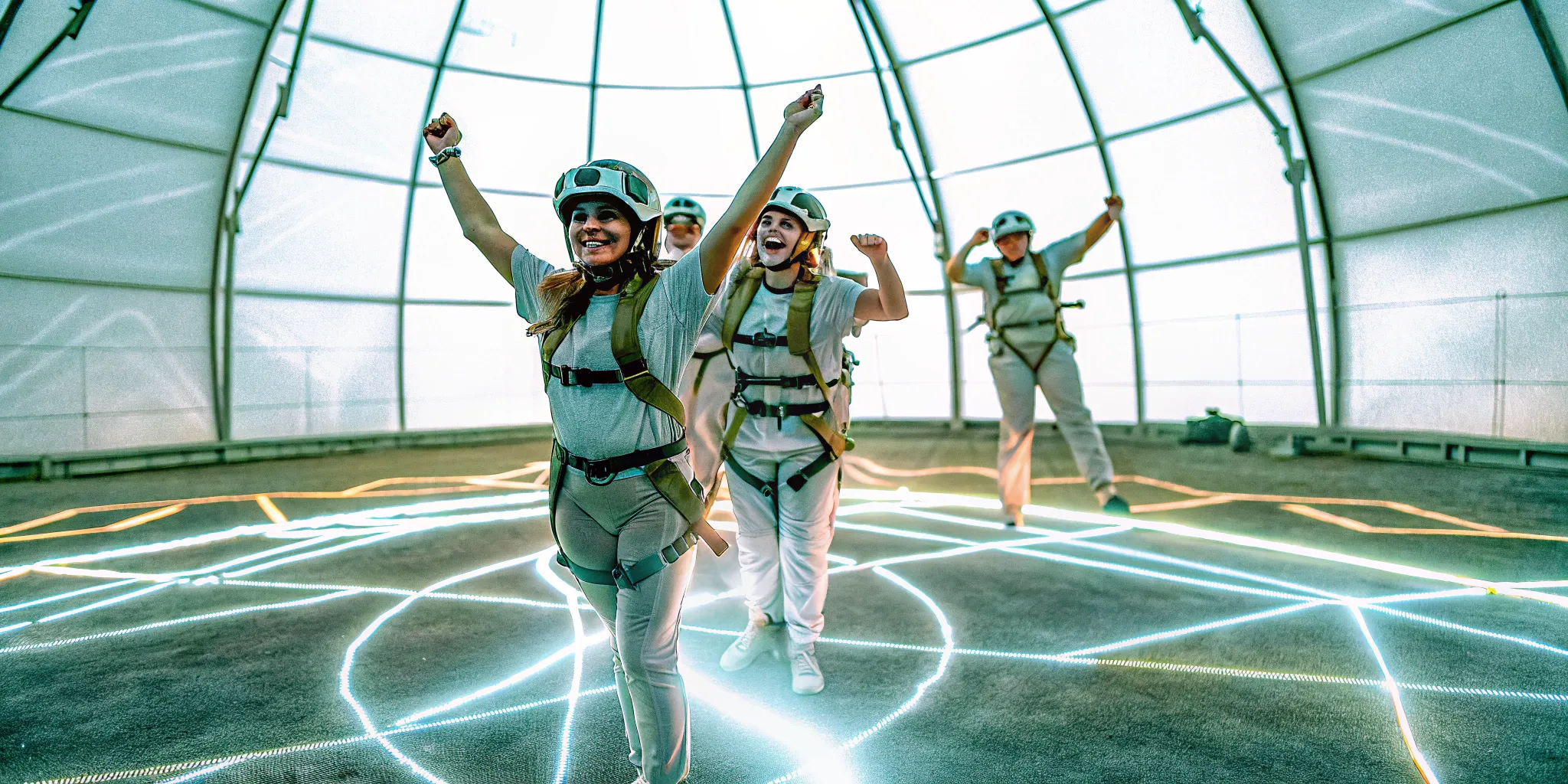
The best team-building events create lasting memories. They're the stories that get retold in the breakroom for months. Instead of another escape room or bowling night, consider an experience that transports your team to an entirely new world. Free-roam team building virtual reality allows your group to physically walk through massive digital spaces together, untethered by wires. You aren't just sitting in chairs; you are active participants in an epic adventure. Whether you're strategizing to survive a zombie apocalypse or exploring an alien planet, you're relying on each other in a dynamic, fast-paced environment. This creates a powerful, shared sense of accomplishment that strengthens team bonds in a way traditional activities simply can't match.
Key Takeaways
- VR Fosters Genuine Collaboration: By removing your team from the office and dropping them into a shared challenge, virtual reality breaks down hierarchies and requires authentic communication to succeed.
- Prioritize a Free-Roam Experience: For team building, choose a venue that lets your team move together in the same physical space. This shared movement creates a much stronger sense of presence and camaraderie than stationary VR.
- Extend the Experience Beyond the Headset: The real value comes from connecting the game back to your work. Plan a quick debrief after your session to discuss what worked and how you can bring that collaborative energy back to the office.
Why Choose VR for Your Next Team Event?
Let's be honest: finding a team-building activity that everyone genuinely enjoys can be a challenge. The trust falls, awkward icebreakers, and forced happy hours often get more eye-rolls than high-fives. It's time to ditch the predictable and give your team an experience they'll actually talk about for weeks. Enter virtual reality, a powerful tool that blends high-tech fun with real-world team development.
VR isn't just about playing games; it's about stepping into a new world together. Imagine your team navigating an alien planet, defending a castle from a zombie horde, or solving mind-bending puzzles in a space station. These aren't just fun scenarios—they're immersive environments that require communication, collaboration, and strategic thinking to succeed. By removing the team from the office setting and placing them in a shared, extraordinary adventure, you create the perfect conditions for genuine connection and skill-building. It's an opportunity to see your colleagues in a new light and build bonds that translate back to the workplace.
How VR Engages Your Team
The magic of VR is its ability to command complete attention. Once the headset is on, the outside world melts away, eliminating distractions like phone notifications and overflowing inboxes. Your team is fully present, focused on the shared mission and on each other. In these virtual worlds, your team will need to collaborate to solve puzzles, strategize in real-time, and communicate clearly to overcome challenges. This immersive experience naturally breaks down workplace hierarchies, giving everyone a chance to contribute their unique skills and even step into leadership roles they might not in a typical office environment.
Key Benefits for Modern Teams
Beyond the immediate fun, VR team building delivers tangible benefits. These shared adventures are designed to strengthen the core skills that every successful team needs: clear communication, creative problem-solving, and mutual trust. Working together under pressure in a game helps build camaraderie and a deeper sense of connection, which is especially valuable for remote or hybrid teams. These experiences foster the kind of team bonding that leads to a more supportive and collaborative company culture. Your team will leave not just with a fun memory, but with sharpened skills and stronger professional relationships.
VR vs. Traditional Team Building
While activities like virtual escape rooms are fun, free-roam VR offers a level of immersion that is simply unmatched. You aren't just clicking a mouse; you are physically in the room, moving around and interacting with your environment and your teammates. This creates a powerful feeling of presence that helps connect people on a deeper level. Unlike physical challenges that might exclude some team members, VR is accessible to everyone, regardless of their physical fitness. It's a unique way to create an epic, shared memory that's far more impactful than another company lunch.
Must-Try VR Team Building Activities
Virtual reality offers so much more than just a fun escape from the office. It's a powerful tool for bringing your team together in a dynamic, shared environment. When you step into a VR game, you leave your job titles at the door. Suddenly, you're not coworkers; you're a unified squad of zombie apocalypse survivors or a team of explorers solving ancient mysteries. This shift in perspective is where the magic happens. The challenges you face are designed to get everyone talking, strategizing, and relying on each other in completely new ways.
These aren't your typical trust falls or icebreaker exercises. VR team building activities are immersive experiences that require active participation and genuine collaboration to succeed. Whether your team is navigating a mind-bending puzzle or defending a base from invaders, they'll be building essential skills like communication, problem-solving, and leadership. The best part? It all happens naturally while everyone is having an incredible time. The shared adrenaline and sense of accomplishment create strong bonds that translate directly back to the workplace. It's an experience your team will be talking about for months, building a foundation of positive team dynamics that lasts long after the headsets come off.
Collaborative Problem-Solving Games
Imagine your team is stranded on a mysterious planet and the only way home is to work together to repair your ship. Collaborative problem-solving games drop your group into scenarios where communication is the key to survival. These activities are specifically designed to break down communication barriers and encourage every team member to contribute their ideas. No single person has all the answers, so success depends on listening, sharing information, and building on each other's suggestions. These VR team building games help coworkers connect on a personal level, fostering a sense of unity and mutual respect that strengthens their professional relationships.
Immersive Virtual Escape Rooms
Virtual escape rooms take the classic team-building challenge to a whole new level. Instead of being in a single room, your team is transported to an entirely new world—a cursed tomb, a high-tech laboratory, or a sinking submarine. You'll have to work together against the clock to find clues, crack codes, and solve a series of intricate puzzles to complete your mission. The immersive environment and ticking clock create a sense of urgency that makes clear communication and teamwork essential. Everyone gets a chance to shine as they solve puzzles together, making it a fantastic way to identify natural leaders and creative thinkers within your group.
Epic Team-Based Adventures
Ready for something truly unforgettable? Epic team-based adventures throw your group right into the heart of the action. At Zero Latency VR, our free-roam technology allows up to eight players to move freely through a massive game space, untethered by wires. You can physically walk, run, and interact with each other inside the virtual world. Imagine your team fighting side-by-side through a zombie-infested city or exploring a beautiful, alien world. These high-energy free-roam experiences create powerful shared memories and an incredible sense of camaraderie. When you've survived an apocalypse together, collaborating on a spreadsheet feels a lot easier.
High-Stakes Strategic Missions
For teams that thrive on competition and strategy, high-stakes missions offer the ultimate challenge. These games go beyond simple cooperation and require your group to develop and execute a complex plan. You might be competing against another team in a tactical showdown or working together to complete a multi-stage objective that requires different team members to take on specific roles. These scenarios test your team's ability to think on their feet, adapt to changing circumstances, and trust each other under pressure. It's a fantastic way to practice strategic thinking in a fun, low-risk environment where everyone can learn and grow together.
What to Expect During Your VR Session
Stepping into a virtual world is a straightforward and exciting process. Knowing what to expect helps everyone feel comfortable and ready to play. From getting your gear to understanding the rules, here's a breakdown of what your session will look like for a smooth, fun, and immersive team-building event.
The Gear and Setup
First, the equipment. You and your team will each get a VR headset, a controller, and a lightweight backpack. Our free-roam technology means no wires, so you can move naturally. A game master will help you get everything fitted comfortably and explain how it works. This gear is your portal to another reality, designed to make team-building exercises feel like an adventure. Once you're set up, you'll be ready to collaborate.
Safety First: What to Know
Your safety is our top priority. Before playing, your group gets a full briefing from a trained game master on the rules and safety guidelines. The virtual environment has built-in features to prevent you from bumping into walls or other players. While technology can have hiccups, our staff is always on hand to resolve potential technical difficulties quickly so your game isn't disrupted. We handle the logistics so your team can focus on having fun.
How Long Are the Sessions?
A complete VR experience is more than just gameplay. Most VR team building sessions last about an hour from start to finish. This includes a 15-minute briefing and setup, around 30 minutes of immersive gameplay, and a 15-minute debriefing to see your scores. This structure ensures you get the most out of your time without feeling rushed. It's the perfect length to keep energy high for a memorable team outing.
How Many People Can Play?
Our games are built for teamwork. We host up to eight players in a single session, the perfect size for a collaborative team-building experience. This allows everyone to participate actively and communicate effectively. Whether you're fighting zombies or solving puzzles, you'll rely on every member of your team. For larger companies, you can book back-to-back sessions so everyone gets a chance to play.
How to Choose the Right VR Provider
Not all virtual reality experiences are created equal, especially when it comes to team building. The right provider can make the difference between a fun, memorable event and a clunky, frustrating one. When you're investing in your team, you want to ensure the technology is top-notch, the environment is supportive, and the experience is designed to bring people together. It's about more than just putting on a headset; it's about finding a partner who understands how to create a seamless, immersive adventure that achieves your team-building goals. Look for a provider that prioritizes group dynamics, offers reliable tech, and has a clear pricing structure so you can focus on the fun.
The Zero Latency VR - Austin Difference
What truly sets a VR experience apart for team building is the ability to move and interact freely with your colleagues in the same physical and virtual space. At Zero Latency VR, we specialize in a free-roam experience where up to eight participants can explore expansive virtual worlds together, untethered by wires. This isn't a stationary game; it's a full-body adventure that requires real communication and collaboration to succeed. Your team will physically walk, strategize, and react together, creating a powerful bonding experience that translates directly back to the workplace. This shared challenge fosters genuine teamwork in a way that sitting in separate pods simply can't match.
What to Look For in a VR Venue
When you're researching venues, prioritize providers that offer cutting-edge, free-roam VR missions. This technology is the gold standard for immersion and group interaction. The best venues provide a library of experiences that are customizable and inclusive, ensuring there's something for every skill level and interest on your team. You want games that are specifically designed to improve team dynamics, not just solo challenges played side-by-side. Ask about the arena size, the quality of the equipment, and how the staff facilitates the event to make sure your team feels supported from start to finish.
Understanding the Costs
Getting a clear picture of the investment is a crucial part of planning your event. VR team-building costs can vary, so it's important to find a provider with transparent pricing. Typically, the final price depends on the size of your group, the length of your session, and the specific games you choose to play. Don't hesitate to ask for a detailed quote that breaks down all the costs. Many venues offer special packages for corporate events that can provide great value and simplify the planning process. Knowing exactly what's included helps you budget effectively and avoid any surprises on the day of your event.
Technical Requirements to Consider
While VR technology is incredibly advanced, it's not immune to the occasional glitch. That's why choosing a provider with reliable hardware and excellent technical support is so important. A great venue will have state-of-the-art equipment that is meticulously maintained to minimize any disruptions. Ask potential providers how they handle technical issues during a session. A professional operation will have trained staff on hand to troubleshoot immediately, ensuring your team's game time is protected. This focus on reliability is a key indicator of a premium experience and helps guarantee your team-building activity goes off without a hitch.
Plan a Successful VR Team Event
A great team-building event doesn't just happen—it's planned. While jumping into a virtual world is incredibly fun and spontaneous, a little prep work ensures your team gets the most out of the experience. Setting clear goals, communicating expectations, and planning for a post-game debrief can turn a fun afternoon into a lasting investment in your team's chemistry and performance. Think of it as setting the stage for success. By handling the logistics beforehand, you free up your team to fully immerse themselves, collaborate freely, and focus on what truly matters: conquering challenges together.
Before You Arrive: Planning Tips
For many people, this might be their first time in virtual reality. A little preparation can help ease any nerves and get everyone excited. Since there can be a slight learning curve with VR technology, it's a great idea to give your team a heads-up on what to expect. Share a link to the Zero Latency VR website so they can see the games and gear ahead of time. You can also set a clear objective for the day, whether it's to practice communication, work on problem-solving, or simply have fun and de-stress as a team. This ensures everyone arrives on the same page and is ready to dive in.
Communication In and Out of the Game
Success in a VR adventure hinges on teamwork, and teamwork hinges on communication. Inside the game, your team will be talking constantly through built-in headsets to coordinate, call out threats, and solve puzzles. It's a fast-paced, real-time test of how well your group can listen and respond to each other. The real magic, however, happens after the headsets come off. Plan a debrief session to discuss what communication strategies worked and what didn't. This is where you can connect the in-game experience to daily work, reinforcing the importance of adopting effective communication practices back at the office.
Solving Common Challenges
Worried about things going wrong? It's a common concern, but one you can put to rest. While any technology can have hiccups, a professional VR venue like Zero Latency VR - Austin has expert staff on hand to manage everything. They'll get you set up, guide you through the game, and handle any potential for technical difficulties that might pop up, so your team can stay focused on the mission. If anyone is concerned about motion sickness, encourage them to take it at their own pace. Our free-roam technology is designed to minimize discomfort, and taking short breaks is always an option. The goal is for everyone to feel comfortable and have a great time.
How to Measure Your Team's Success
Success in a VR team-building event isn't just about getting the highest score. It's about how your team works together to achieve it. After the event, take some time to reflect on what you observed. Did a quiet team member step up and take the lead? Did your team create a strategy on the fly to overcome a tough obstacle? These moments of collaboration are the real wins. You can also gather feedback through a quick, informal survey or a group chat. Asking questions like, "What did you learn about our team today?" can spark valuable conversations and help you see the direct impact of these virtual team building activities.
Get the Most Out of Your VR Experience
A VR team-building event is more than just a fun day out of the office; it's a powerful tool for strengthening your team. But the real magic happens when you're intentional about the experience, from the game you choose to how you follow up afterward. To make sure the positive effects last long after the headsets come off, you'll want to think strategically about how the event fits into your team's goals. Here are a few simple ways to maximize the impact of your virtual reality adventure and turn a great time into a lasting investment in your team's success.
Build Lasting Team Confidence
Think of a VR mission as a high-tech trust fall. When your team successfully navigates a zombie apocalypse or solves a mind-bending puzzle together, they're not just playing a game—they're building real-world confidence. These shared challenges require clear communication, quick thinking, and leaning on each other's strengths. The sense of accomplishment that comes from winning together creates a powerful bond that translates back to the office. By engaging in activities that focus on fostering teamwork, you give your colleagues a low-stakes environment to practice collaboration. They'll leave feeling more connected and capable of tackling any project that comes their way.
Fit VR into Your Company Culture
The best team-building events feel authentic to your company's vibe. Is your team super competitive, highly creative, or more analytical? The great thing about VR is that there's an experience for every type of group. Choosing a game that aligns with your company culture makes the event more meaningful. At Zero Latency, our free-roam VR missions are designed to enhance team dynamics in a way that feels natural, not forced. By selecting an adventure that resonates with your team's personality, you ensure everyone feels included and engaged, making the lessons in collaboration and communication stick.
Keep the Momentum Going: Post-VR Activities
Don't let the energy fade once the game is over. The conversations that happen after the event are just as important as the experience itself. Plan for some time to decompress and chat afterward, whether it's grabbing a bite to eat or just gathering in a lounge area. Encourage everyone to share their favorite moments, what they learned about their teammates, and how they can apply that collaborative spirit to upcoming projects. Integrating these kinds of follow-up discussions can significantly enhance trust and keep the positive momentum going long after you've returned to the real world.
Track the Long-Term Impact
While the immediate fun of a VR event is obvious, the long-term benefits are what really make it a worthwhile investment. Studies have shown that teams who participate in VR activities see significant improvements in cohesion and engagement. For example, research from the University of Maryland found that VR team-building can lead to a 24% increase in team cohesion. By paying attention to your team's communication and collaboration in the weeks following your event, you can see these positive changes firsthand. These long-term benefits demonstrate that VR isn't just a party—it's a practical strategy for building a stronger, more connected team.
What's Next for VR Team Building?
Virtual reality is constantly evolving, and its role in team building is growing right along with it. The experiences available today are already incredible, but what's on the horizon is even more exciting. As the technology gets more sophisticated and accessible, the ways we can use VR to connect, collaborate, and solve problems as a team are expanding. From lighter, more powerful gear to games designed specifically for remote teams, the future of VR team building is focused on creating even more seamless and impactful experiences. Let's look at what you can expect to see.
The Future of VR Tech
The days of clunky headsets and tangled wires are quickly becoming a thing of the past. The future of VR is all about creating a completely seamless and immersive experience. Headsets are getting lighter, more comfortable, and completely wireless, which is perfect for free-roam adventures where you need to move freely. As the technology advances, the potential for technical glitches that can interrupt the fun also decreases. This means your team can spend less time troubleshooting and more time fully engaged in the game, making the entire virtual reality team building activity smoother and more effective.
New Games on the Horizon
Get ready for team-building games that go deeper than ever before. Game developers are moving beyond simple puzzles and creating complex, narrative-driven adventures that demand true collaboration. Imagine your team working together to pilot a spaceship, uncover the secrets of an ancient civilization, or execute a multi-layered strategic mission. These new games are being designed to revolutionize team building activities, making them not just fun but also powerful tools for improving communication, creative problem-solving, and group dynamics. The focus is shifting toward experiences that feel less like a game and more like a shared, epic adventure.
Making VR More Accessible
You don't need to be a tech giant to bring VR to your team. One of the biggest shifts is how accessible this technology is becoming. Venues like Zero Latency VR handle all the equipment, setup, and technical support, so you can just show up and play. This opens the door for companies of all sizes and industries to use VR for everything from brainstorming sessions to social events. As it becomes more mainstream, virtual reality in the workplace is proving to be a versatile tool for fostering connection and creativity without requiring a huge investment in hardware.
Connecting Remote Teams with VR
For remote and hybrid teams, VR is a game-changer. It offers a way to connect that video calls simply can't match. Instead of seeing your colleagues in little boxes on a screen, you can stand side-by-side in a shared virtual space, working together to achieve a common goal. These shared experiences are incredibly powerful for building trust and rapport among team members who don't see each other in person. Incorporating these kinds of virtual team building activities can bridge the physical distance, strengthen communication, and create the genuine sense of cohesion that every successful team needs.
Related Articles
- Team Building with Zero Latency VR - Austin
- Exploring Advanced Virtual Reality: Top Headsets & Applications
- Austin Tech Attractions: Explore VR, Meetups & More
- VR Escape Rooms at Zero Latency VR - Austin
- Bachelor Parties at Zero Latency VR - Austin
Frequently Asked Questions
What if my team has never used VR before? Is it difficult to learn? Not at all! Most people who visit us are first-timers. We designed the entire experience to be incredibly intuitive. Before you start, a dedicated game master will walk your group through a complete briefing, helping everyone get comfortable with the gear and explaining how the controls work. The technology is straightforward, and you'll be exploring a new world together in just a few minutes.
Is motion sickness a common issue with this type of VR? This is a very common concern, but it's rarely an issue with our free-roam system. Motion sickness in VR often happens when your eyes see movement but your body is standing still. Because you are physically walking and moving through our large game space, your brain and body are in sync. This natural movement dramatically reduces the feeling of disorientation for most people.
How physically demanding are the games? The level of physical activity is quite manageable and is comparable to walking around a large room or playing a game of laser tag. You'll be on your feet and moving, but there's no need for intense running or jumping. The focus is on teamwork and strategy, making it an accessible activity for team members with different physical fitness levels.
Will my team actually build useful skills, or is this just for fun? While it is incredibly fun, the experience is designed to strengthen core team skills. In the game, you can't succeed alone. Your team will have to communicate clearly, create strategies on the fly, and trust each other to overcome challenges. These are the same skills you use at the office, just practiced in a much more exciting and memorable environment.
We have a large company. How many people can you accommodate for an event? Our games are designed for up to eight players at a time to ensure everyone can be fully involved. For larger groups, we recommend booking back-to-back sessions. This approach works wonderfully, as it allows you to split into teams and create a fun, competitive atmosphere. While one group plays, the other can watch the action and cheer them on.