
Virtual Reality in Gaming: The Complete Guide
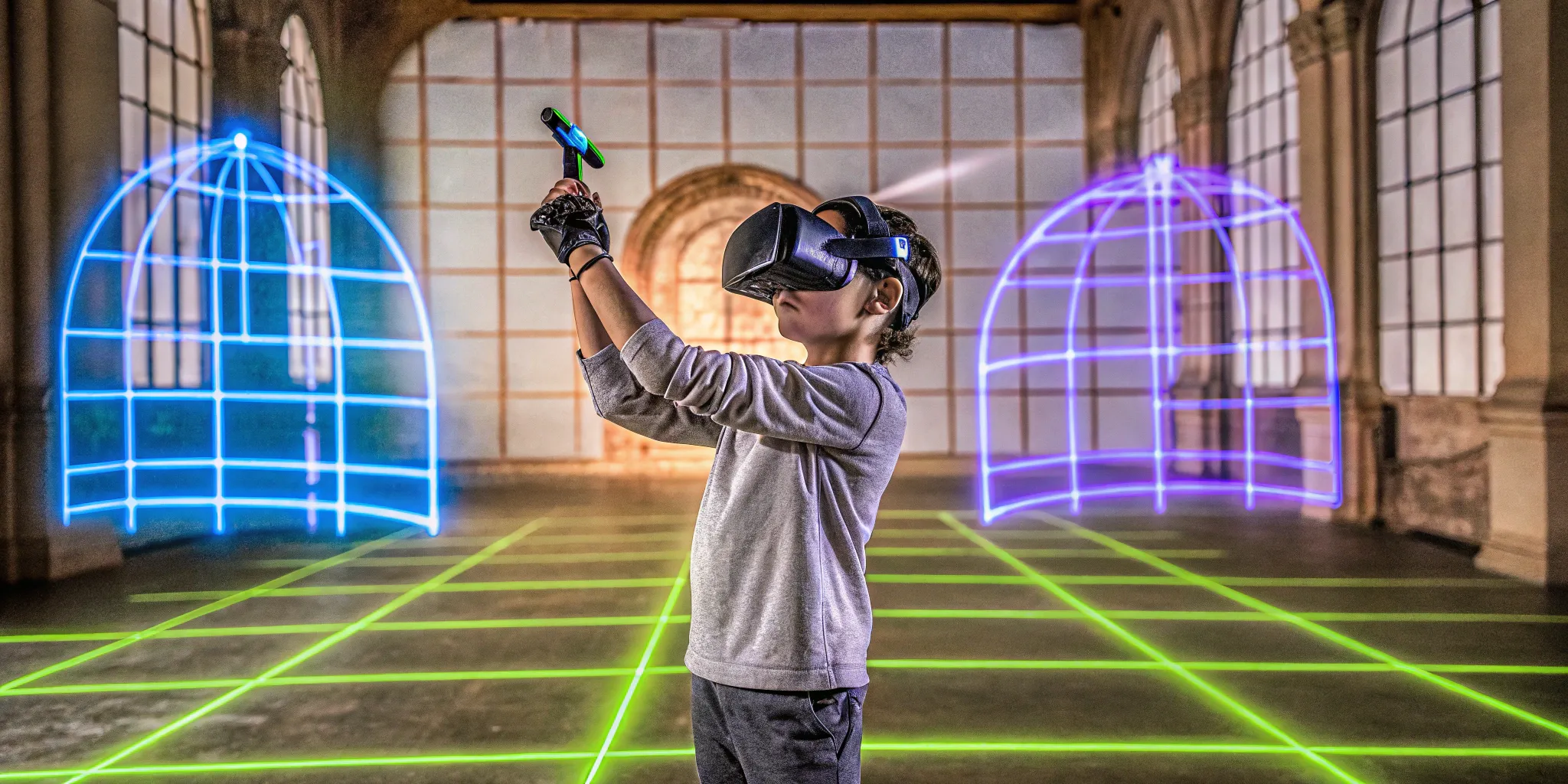
For years, virtual reality felt like something straight out of a science fiction movie. But that futuristic dream is now a tangible reality you can experience for yourself. The technology has evolved rapidly from clunky, expensive experiments into sleek, powerful systems that can transport you to other worlds. This isn't just a small step forward from traditional video games; it's a giant leap. Instead of pushing buttons to make a character move, your own body becomes the controller. This fundamental shift in how we play is what makes the use of virtual reality in game worlds so revolutionary. It's an entirely new way to interact, explore, and connect with digital entertainment.
Key Takeaways
- Understand It's a Full-Body Experience: VR isn't about pushing buttons on a controller. It's about physically moving, ducking, and interacting with a digital world, which is what makes it feel so incredibly real.
- Test the Waters at a VR Arena: Before investing in a pricey at-home system, try a free-roam experience. It lets you enjoy the best of VR technology without the commitment and shows you what's possible.
- Bring Your Friends for Maximum Fun: The most unforgettable VR moments happen when you're sharing them. Teaming up with friends in the same physical and virtual space turns a cool game into a genuine social adventure.
What Exactly Is Virtual Reality Gaming?
So, what exactly is virtual reality gaming? Think of it this way: instead of playing a game on a screen, you step directly inside of it. VR games use special equipment to create a completely digital environment that surrounds you, making you feel like you're physically present in another world. This incredible sense of "being there" is called immersion, and it's the magic ingredient that sets VR apart from traditional video games.
To achieve this, you'll use a VR headset that covers your eyes, replacing your view of the real world with a stunning, three-dimensional digital one. You'll also use controllers that track your hand movements, allowing you to interact with objects in the game naturally. When you turn your head to look behind you, the world turns with you. When you reach out to pick up an object, your virtual hands mirror your actions. It's a full-body experience designed to trick your brain into believing what you're seeing and doing is real. Whether you're defending a castle from a dragon or exploring the depths of the ocean, VR gaming is less about controlling a character and more about becoming one.
How Does VR Gaming Actually Work?
It might seem like magic, but the way VR works is a clever combination of technology and psychology. Your VR headset is the main star of the show. Inside, it has two small screens—one for each eye—that display slightly different images. Your brain naturally combines these two images into a single, three-dimensional picture, creating a sense of depth that makes the virtual world feel solid and real.
But it's not just about what you see. The headset also contains sensors that track the movement and orientation of your head. When you look up, down, or side-to-side, the image on the screens instantly adjusts to match your perspective. This seamless head tracking is what makes you feel like you're actually looking around inside the game, not just watching a video. It's this perfect sync between your physical movements and your virtual view that convinces your brain you've been transported somewhere new.
From Sci-Fi Dream to Reality
For decades, virtual reality was the stuff of science fiction movies and novels—a futuristic dream that felt light-years away. But over the last several years, that dream has become a tangible reality you can experience for yourself. Early experiments in VR were clunky and expensive, but the technology has rapidly evolved. The rise of mobile games like Pokémon Go showed a huge public appetite for blending the digital and physical worlds.
The real game-changer for home VR was the Oculus Rift, which first launched for consumers in 2016. It proved that high-quality, immersive VR wasn't just for research labs anymore. Since then, the technology has become more powerful, more accessible, and more affordable, leading to an explosion of incredible games and experiences. What was once a sci-fi fantasy is now a real and growing part of the gaming landscape.
The Tech That Makes It Possible
A few key pieces of technology work together to create that believable virtual world. As we mentioned, the headset's dual screens are essential for creating a 3D view. But high-quality visuals are just one part of the puzzle. To make the world feel truly alive, the system needs to respond to you in real-time, which is where motion tracking comes in. Advanced systems don't just track your head; they track your hands and sometimes your entire body, letting you walk, duck, and interact with total freedom.
Sound is another critical component. Most VR systems use 3D spatial audio, which makes sounds feel like they're coming from specific directions. You'll hear an enemy creeping up behind you or a ship flying overhead, adding another layer of realism that pulls you deeper into the experience. Some of the newest headsets are even incorporating eye-tracking technology to make graphics sharper where you're looking and allow for even more natural interactions within the game.
The Gear You Need to Play
Getting into virtual reality gaming means understanding a few key pieces of equipment. While it might seem like a lot of tech, the basic setup is pretty straightforward. The goal is to create an experience that feels like you've truly stepped into another world. At home, this involves a headset, controllers, and a safe space to move. Of course, if you want to skip the setup and dive straight into a premium adventure, a free-roam VR arena like Zero Latency VR has all the state-of-the-art gear ready and waiting for you. Let's break down what you need to get started.
Finding the Right VR Headset
The VR headset is your window into the game. It's the main piece of equipment that sits over your eyes, giving you a complete 3D view of the virtual environment. Most modern headsets have built-in sensors that track your head movements, so when you look up, down, or side-to-side in real life, your view in the game changes accordingly. This one-to-one tracking is what makes the experience feel so real. Thankfully, today's best VR headsets have come a long way, with major improvements in screen quality and response time that significantly reduce the lag and motion sickness that some people felt with older models.
Controllers, Trackers, and More
While the headset handles what you see, controllers are how you interact with the world around you. These handheld devices act as your virtual hands, letting you pick up objects, open doors, or wield a weapon. Many controllers can even sense more detailed hand movements, making actions like aiming a bow or throwing a ball feel incredibly natural. For even deeper immersion, some advanced setups include full-body trackers or special treadmills that allow you to walk and run in place while your character does the same in the game. This level of interaction is what separates VR from traditional video games.
Setting Up Your Ideal Play Space
To truly enjoy VR, you need a safe place to play. Since the game tracks your real-life movements, you'll need enough clear space to move your arms and step around without bumping into furniture. Most VR games are played from a first-person perspective, meaning you see the world through your character's eyes. Your physical actions directly control your in-game avatar, so having an open area is key for both safety and immersion. This is one of the biggest advantages of a free-roam VR experience, where you get a massive, dedicated arena designed for you to move freely and explore without any obstacles.
What Kinds of VR Experiences Can You Have?
Virtual reality isn't a one-size-fits-all experience. Depending on the gear you have and what you're looking for, you can dive into completely different kinds of digital worlds. From warehouse-scale adventures with your friends to solo quests in your living room, there's a VR setup that fits your style. Understanding the main types of experiences will help you figure out where you want to start your journey. Let's look at the most common ways to play.
Free-Roam: The Ultimate Group Adventure
Imagine stepping into a massive, open space with your friends, completely untethered and free to walk, run, and explore a virtual world together. That's free-roam VR. Instead of being confined to a small area, you and your team share the same physical and digital space, making it an incredibly social and immersive activity. These experiences are designed for groups, allowing for much richer interactions. Whether you're fighting off zombies side-by-side or solving puzzles as a team, sharing the adventure in real-time is what makes free-roam VR unforgettable.
At-Home VR Setups
At-home VR brings the action right into your living room. This is where you can play incredible games in a simulated 3D world that feels completely real. At-home virtual reality gaming makes you feel like you are truly inside the game, replacing what you see and hear in the real world with a digital one. You can explore fantasy landscapes, pilot a starship, or get a workout in a rhythm game, all from the comfort of home. While you might be limited by the size of your room and tethered to a console or PC, the level of immersion is still incredible and offers a fantastic way to experience solo adventures or connect with friends online.
Playing with Friends in a Virtual World
You don't have to be in the same physical room to share a VR adventure. Most at-home VR systems have robust multiplayer modes that make interacting with other gamers a breeze. It's one of the key ways virtual reality is revolutionizing video gaming. You can easily voice chat with your friends as you team up to complete a mission or go head-to-head in a competitive shooter. It's a fantastic way to connect with people from all over the world, creating shared memories and experiences without ever leaving your house. This social element turns a fun solo activity into a shared, collaborative adventure that feels just as connected as playing in person.
The Most Popular VR Game Genres
VR gaming has exploded with variety, offering something for every type of player. This new generation of gaming uses VR technology to deliver stunning visuals, spatial audio, and deeply immersive gameplay across many different genres. Some of the most popular categories include first-person shooters where you can physically duck behind cover and escape rooms that challenge your problem-solving skills. You can also find rhythm games that get you moving, creative sandboxes where you can build anything you imagine, and narrative-driven adventures that pull you into a compelling story. The global surge in VR gaming means more amazing titles are being released all the time.
The Pros and Cons of VR Gaming
Virtual reality is an incredible technology, but like anything, it has its upsides and downsides. Whether you're thinking about buying a home system or booking a group adventure, it helps to know what you're getting into. Let's walk through the biggest pros and cons of VR gaming so you can decide what's right for you.
Why It Feels So Incredibly Real
The magic of VR is its ability to create true immersion. The goal is to make you feel like you've been transported to another place entirely. A VR headset blocks out your physical surroundings and fills your field of view with a digital world. Paired with surround-sound audio, your brain starts to believe what it's seeing and hearing. This is why you might feel a genuine rush of adrenaline when a zombie lurches at you or a sense of wonder as you float through space. It's not just about watching the action on a screen; it's about feeling like you are truly there, moving around and interacting with the environment.
Get a Workout While You Play
If you think gaming is a sedentary hobby, VR is here to change your mind. Forget sitting on the couch—many VR games require you to be on your feet. You'll physically duck behind cover, swing your arms to wield a sword, and sidestep to dodge incoming projectiles. Some games are even designed specifically as fitness experiences, turning exercise into an exciting challenge. This physical engagement makes the experience more believable and provides a great way to get your body moving without feeling like you're doing a traditional workout. It's a fun and effective way to stay active while exploring new worlds.
A New Way to Connect with People
VR is an incredibly social platform. While you can play solo, multiplayer experiences are where it truly shines. Instead of just talking through a headset, you can see your friends' avatars move and react in real-time, creating a genuine sense of presence. You can high-five after a victory, work together to solve a puzzle, or strategize your next move side-by-side. In free-roam arenas, you and your team share the same physical and virtual space, making it easy to interact with fellow gamers in a way that feels natural and collaborative. It's a unique way to bond and create shared memories.
How to Stay Comfortable and Avoid Dizziness
One of the most common concerns about VR is motion sickness. This can happen when your eyes tell your brain you're moving, but your body is standing still, creating a sensory mismatch. While some people are more sensitive to this than others, there are ways to manage it. It's a good idea to start with games that involve less artificial movement and take frequent breaks, especially when you're new to VR. Staying hydrated and ensuring your headset is properly fitted can also make a big difference. Most people find their tolerance builds over time as they get used to the experience.
Understanding the Costs and Tech Specs
Getting into at-home VR can be a significant investment. A quality headset can cost several hundred dollars, and that's just the beginning. If you're looking at a PC-based system, you'll also need a computer with a strong enough graphics card and processor to run the games smoothly. This technical barrier and the high upfront cost can be a major hurdle for many people. This is why trying VR at an arcade or a dedicated facility like Zero Latency is a great way to experience high-end virtual reality without having to purchase and set up all the equipment yourself.
Where to Find the Best VR Experiences
So, you're ready to jump into a virtual world, but where do you start? The type of VR experience you have depends heavily on where you play. While at-home systems are great for solo adventures, dedicated VR arenas offer a completely different level of immersion, especially when you want to play with friends. Let's look at what makes the free-roam experience stand out and how it compares to other ways you can play.
The Zero Latency VR Free-Roam Experience
Imagine a VR game with no wires and no limitations. That's the magic of free-roam VR. Instead of being stuck in one spot, you and your friends can walk, run, and explore a massive, open space together. At Zero Latency VR, this setup creates an incredibly immersive environment where you can team up on thrilling adventures. It's one of the best family fun day ideas because it's built around teamwork and social interaction. You're not just playing next to each other; you're in the game together, high-fiving after a big win and watching each other's backs.
Other Top Platforms to Know
The social element is truly what makes modern VR special. While you can connect with others online using a headset at home, nothing beats sharing the same physical and virtual space. Free-roam VR experiences are designed specifically for groups, allowing friends, family, or coworkers to interact naturally inside the game. Because you can move your entire body, the action feels more realistic and engaging. This shared adventure creates a powerful sense of connection that's hard to replicate with other forms of gaming, making it perfect for birthday parties or team-building events.
Playing Across Different Systems
One of the best things about free-roam VR is how simple it is to get started. If you're worried you need to be a hardcore gamer to enjoy it, don't be. These experiences are designed to be accessible to everyone, regardless of their gaming background. You don't need to learn complicated controls or have any special knowledge. The intuitive nature of moving around in a wide-open space makes it easy for anyone to jump in and have a great time. This simplicity is a huge benefit, ensuring that everyone in your group can participate and feel like part of the action from the moment they put on the headset.
Your Guide to Getting Started with VR
So, you're ready to jump into the world of virtual reality? That's awesome! Getting started is easier than you might think. Whether you're looking to set up a system at home or try a free-roam experience, a little preparation goes a long way. Think of this as your friendly checklist for making your first time in VR a total success. We'll cover how to pick your gear, play safely, get your space ready, and find some fantastic first games.
How to Choose Your First System
Picking your first VR system comes down to balancing your budget with the kind of experience you want. When you're looking at different headsets, you'll see specs like resolution, field of view, and refresh rate. Higher numbers generally mean a sharper, more immersive picture. It's also important to consider your physical space and how much room you have to move around. Some systems require external sensors, while others are self-contained. If you're prone to motion sickness, looking into headsets with higher refresh rates can help create a smoother experience. A great way to start is by trying different systems at a place like Zero Latency VR to see what feels right for you.
Simple Rules for Playing Safely
Your well-being is the top priority. The most important rule is to listen to your body. If you start to feel dizzy or nauseous, it's time to take a break. While technology has improved a lot, some people can still experience a bit of motion sickness. It's also worth noting that individuals with certain medical conditions, like epilepsy, should consult a doctor before using VR. Before you put on the headset, make sure your play area is completely clear of furniture, pets, and any other obstacles. You'll be moving around, and the last thing you want is to trip over something in the real world while you're exploring a virtual one.
Quick Tips for a Smooth Setup
Most VR games are played from a first-person perspective, which means you see the world through your character's eyes. Your real-life movements—turning your head, reaching with your hands, walking around—are what control the game. Because of this, you need enough clear space to move without bumping into walls or furniture. A good rule of thumb is to have at least a 6x6 foot area. If you're short on space or just want to skip the setup, coming to a free-roam arena like Zero Latency VR is a perfect solution. We handle all the tech and provide a massive, safe space so you can just focus on having fun.
Great First Games to Try
The library of VR games is huge and constantly growing. If you're looking for a truly impressive single-player story, many gamers agree that Half-Life: Alyx is a must-play that set a new standard for VR. But there are so many other amazing options out there. From rhythm games like Beat Saber to social platforms and intense zombie survival adventures, there's something for everyone. The past few years have been packed with exciting new VR games across every genre. Trying a curated experience at a VR arcade can be a great way to sample different types of games and find out what you love most.
Let's Clear Up Some VR Myths
Virtual reality can feel like a futuristic concept, and with any new technology, a lot of rumors and questions pop up. You've probably heard a few things about VR that made you hesitant to give it a try. Is it going to make you dizzy? Does it cost a fortune? Do you need to clear out your entire living room? Let's tackle some of the most common myths head-on so you can feel confident stepping into a new world.
Myth: "VR will definitely make me sick."
This is probably the biggest concern people have, and it's a valid one. Some at-home VR systems can cause a bit of motion sickness, which usually happens when your eyes see movement but your body is standing still. It's a sensory mismatch that can leave you feeling a little off.
However, technology has come a long way. High-end, free-roam VR experiences are specifically designed to prevent this. Because you are physically walking, running, and moving through a large space, your body's actions perfectly match what you're seeing in the virtual world. This natural movement all but eliminates that weird, disconnected feeling, letting you get lost in the game without the dizziness.
Myth: "It's way too expensive to get into."
If you're looking to build a top-tier VR setup at home, the costs can add up quickly. Between a powerful PC, a high-quality headset, and controllers, the initial investment can be pretty steep. But thinking you have to own the gear to enjoy the game is like thinking you have to build a movie theater to watch a film.
That's where VR arenas come in. You can get the absolute best, most immersive experience without spending thousands on VR hardware. You just show up, play with state-of-the-art equipment, and have an amazing time with friends. It's the perfect way to experience premium VR without the premium price tag.
Myth: "I need a giant, empty room."
The fear of knocking over a lamp or bumping into a coffee table is real for at-home VR players. Many systems do require a dedicated clear space to play safely, and not everyone has a spare room they can dedicate to virtual adventures.
This is another problem that free-roam VR completely solves. Instead of you having to make space, the space is made for you. We provide a massive, open arena designed for total immersion and safety. You have the freedom to roam, duck, and explore without worrying about real-world obstacles. All you have to do is focus on the game and have fun with your team.
Myth: "There aren't many good games."
While the VR game library may have been small in the early days, that time is long gone. The world of VR gaming is exploding with creativity, and developers are releasing incredible, high-quality titles all the time. From intense zombie survival shooters to mind-bending puzzle adventures and cooperative fantasy quests, there's something for every type of player. In fact, the list of award-winning VR games grows every year, proving that VR is a serious platform for amazing interactive entertainment. You're not just getting a tech demo; you're getting a full, unforgettable adventure.
What's Next for VR Gaming?
Virtual reality is one of the most exciting frontiers in gaming, and it's evolving at an incredible pace. The technology is constantly pushing boundaries, creating more believable worlds and more intuitive ways to play. From sharper graphics and more comfortable headsets to new kinds of social experiences, the future of VR is all about deeper immersion and broader accessibility. The line between the digital and physical worlds is blurring, and what's coming next promises to be even more amazing.
The Next Wave of VR Technology
The VR landscape is always changing, with new hardware and games hitting the market every year. Developers are getting more ambitious, creating deeper and more engaging worlds for us to explore. It's also becoming standard for developers to support their titles long after release, offering new content through free updates or paid expansions. This means your favorite games keep getting better over time. The constant stream of exciting new VR games and hardware improvements shows that the industry is healthy and growing, with plenty of innovation still to come.
Blending the Real and Virtual Worlds
The ultimate goal of VR is to make you feel like you're truly somewhere else, and the technology is getting closer to that goal every day. The latest advancements aren't just about better graphics; they're about creating a complete sensory experience. High-definition visuals, combined with spatial audio that makes sounds seem like they're coming from specific directions, work together to trick your brain. This new generation of gaming aims to completely blend the real and virtual worlds, creating a level of immersion that was once just science fiction.
Making VR Accessible to Everyone
One of the biggest trends in VR is making it easier for anyone to jump in and play. This is especially true for location-based experiences like free-roam VR. The beauty of these setups is their simplicity. You don't need to learn a complicated controller layout or spend hours in a tutorial. The intuitive nature of free-roam VR games means that players of all ages and skill levels can participate and have a great time together. This focus on accessibility is opening up VR to a much wider audience, making it the perfect activity for parties, family outings, and team events.
Where the Industry Is Headed
While solo VR adventures are incredible, the future is undeniably social. Multiplayer experiences are becoming a major focus for developers, transforming gaming into a more connected activity. It's one thing to talk to friends through a headset, but it's another to stand beside them in a virtual world, working together to solve a puzzle or fight off a horde of zombies. Gaming consoles and VR platforms are making it easier than ever to chat and interact with friends, strengthening the social aspect of gaming and creating shared memories that feel just as real as any other.
How to Make Your VR Experience Even Better
You've got the gear and you're ready to jump in, but how do you go from a good VR session to a great one? It often comes down to a few simple habits and preparations. Whether you're teaming up with friends for a free-roam adventure or diving into a solo game at home, paying attention to the details can make all the difference. From keeping your equipment in top shape to knowing how to play comfortably for hours, these tips will help you get the most out of every moment you spend in a virtual world. Think of it as your pre-flight checklist for an amazing experience.
Tips for Playing with Others
VR is incredible on your own, but it truly shines when you share it with others. Playing in multiplayer mode is the best way to amplify the fun, and clear communication is your secret weapon. Most games and platforms have built-in voice chat, so you can strategize with your team, call out enemy locations, or just laugh together when things get wild. Don't be shy—talking with your fellow gamers is what transforms a simple game into a memorable social experience. When you're working together to solve a puzzle or survive a zombie apocalypse, coordinating your moves makes you feel like a truly connected team. It's the closest you can get to being in the same room, even if you're miles apart.
Keep Your Gear in Great Shape
Your VR equipment is your portal to another world, so it pays to treat it well. A little bit of upkeep goes a long way. The most important step? Keep those lenses clean. A quick wipe with a dry microfiber cloth before each session removes smudges and dust that can blur your vision and pull you out of the experience. Also, make sure your controllers are fully charged before you start—nothing ruins the climax of a game like a dead battery. Taking care of your gear with this kind of regular maintenance ensures that every time you put on the headset, you're getting the crisp, immersive adventure you're looking for.
Get the Smoothest Gameplay Possible
A seamless VR experience is all about immersion, and nothing shatters that feeling faster than lag or stuttering graphics. Modern virtual reality gaming hardware has made huge strides in reducing delays and motion sickness, making it easier than ever to feel like you're truly inside the game. If you're playing at home, make sure your PC meets the game's recommended specs or that your standalone headset has a strong Wi-Fi signal. At a professional venue like Zero Latency VR, we handle all the tech for you, using high-end equipment that's optimized for buttery-smooth, lag-free gameplay. This ensures you can move and interact with the world without a hitch, keeping you fully absorbed in the action.
How to Play Comfortably for Longer
Want to extend your time in the virtual world without feeling worn out? Comfort is key. Start by making sure your headset fits properly—it should be snug enough to stay in place when you move, but not so tight that it causes pressure. Taking short, regular breaks is also a great idea. Every hour or so, take the headset off for a few minutes to rest your eyes and have a sip of water. This helps prevent eye strain and keeps you feeling fresh. To avoid discomfort during longer sessions, also check that your play area is clear of obstacles. A comfortable player is a happy player, ready for whatever the virtual world throws at them.
Related Articles
- Exploring Advanced Virtual Reality: Top Headsets & Applications
- Find the Best VR Arcade: Your Ultimate Guide
- Top Austin VR Arcades: Your Guide to Immersive Fun
- Your First Local VR Arcade Visit: What to Expect
- Best VR Arcades in Austin: The Ultimate Guide
Frequently Asked Questions
What's the biggest difference between playing VR at home versus a free-roam arena? Think of it as the difference between playing basketball in your driveway and playing on a full court. At home, you're often limited by wires and the size of your room, which can restrict your movement. A free-roam arena gives you a massive, open space where you can walk, run, and explore without any physical limitations. This freedom makes the game feel incredibly real and allows you to share the experience with a group of friends in the same physical space.
I wear glasses. Will that be a problem with the VR headset? Not at all! This is a super common question, and the good news is that most modern VR headsets are designed to be worn comfortably over glasses. The equipment used in professional arenas like Zero Latency VR is built to accommodate a wide variety of players. You should be able to fit your frames inside without any trouble, keeping the virtual world perfectly in focus.
Is VR gaming a good workout? Do I need to be in great shape to play? You will definitely be on your feet and moving around. Many games require you to physically walk, duck behind cover, and use your arms to interact with the world, so you can expect to get your heart rate up. However, you absolutely do not need to be a seasoned athlete to have a great time. The experiences are designed for everyone, and you can always move at a pace that feels comfortable for you.
How do you keep from getting dizzy or sick in VR? That feeling of motion sickness usually happens when your eyes see movement but your body is standing still. Free-roam VR is specifically designed to solve this problem. Because you are physically walking and moving through the space, your body's actions perfectly match what you're seeing in the game. This natural connection between sight and movement makes the experience feel smooth and helps prevent that disorienting feeling.
Are the games complicated? I'm not a big gamer. This is the best part—you don't need any gaming experience to jump in and have fun. The controls are incredibly intuitive because you use your own body to play. You walk to move, you reach out your hands to grab things, and you aim by simply looking. There are no complex button combinations to memorize, which makes it easy for anyone to get the hang of it within minutes.