
How to Plan VR for Events: A Simple Guide
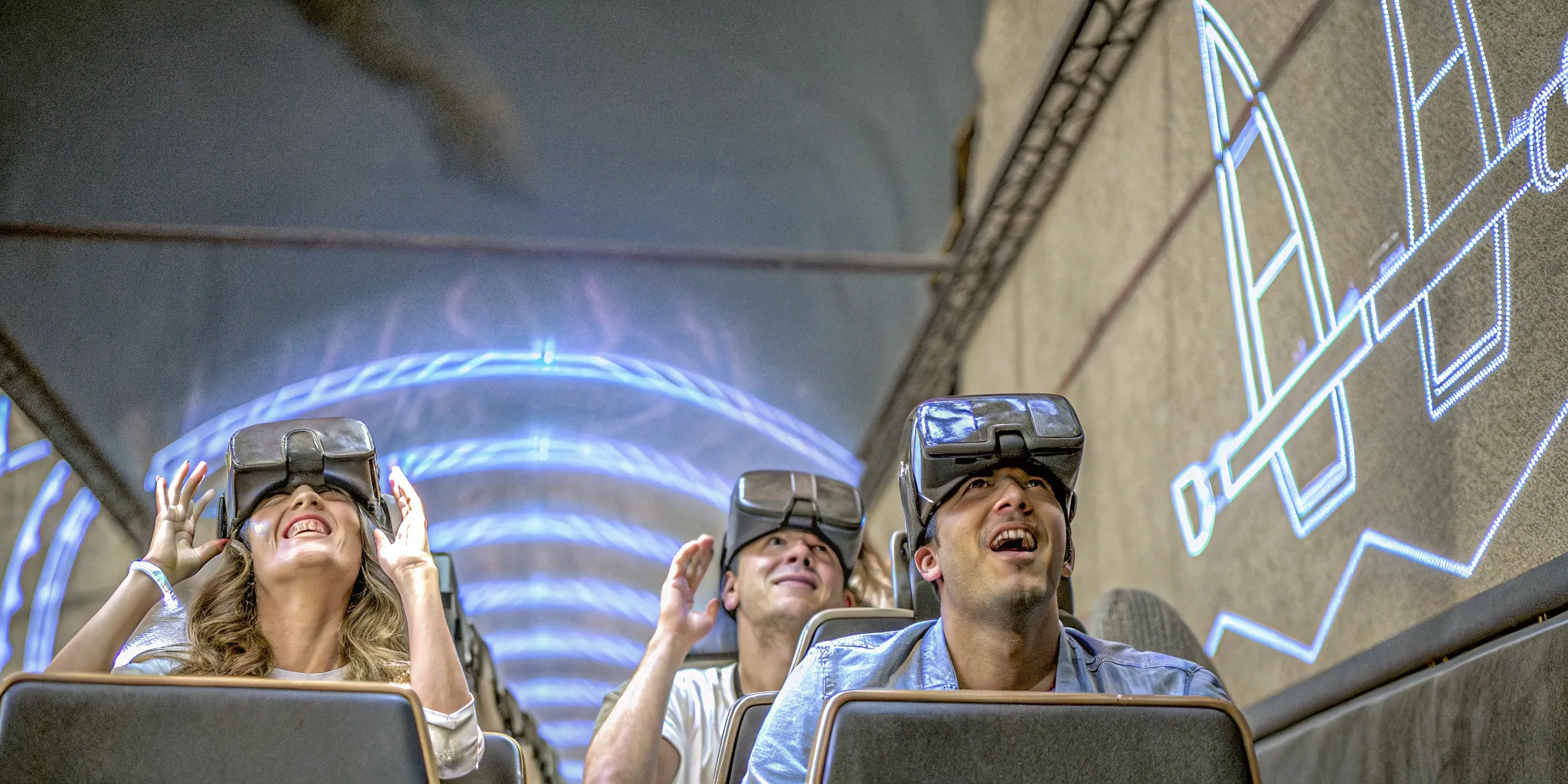
Let's be honest: most corporate team-building exercises are pretty forgettable. Trust falls and awkward icebreakers rarely lead to real breakthroughs. If you want to give your team a challenge they'll actually get excited about, it's time to think differently. Using VR for events puts your team into high-stakes scenarios that demand clear communication, quick thinking, and genuine collaboration to succeed. It's a powerful tool for observing team dynamics in a fun, low-pressure environment. This guide will show you how to plan a corporate event that does more than check a box—it builds a stronger, more connected team through a truly engaging experience.
Key Takeaways
- Define Your Goal Before Choosing the Game: The most successful VR events start with a clear purpose. Decide if you want to encourage team collaboration, spark friendly competition, or simply provide mind-blowing entertainment, and then select an experience that directly supports that objective.
- Look Beyond the Headset for the True Cost: Renting VR gear yourself involves hidden expenses like setup, technical staff, and insurance. A dedicated VR venue often offers a more straightforward and cost-effective solution by bundling professional equipment, a perfect play space, and expert support into one price.
- A Great Provider Manages the Entire Experience: The right partner does more than just supply equipment; they ensure your event runs smoothly from start to finish. Look for a provider who offers on-site staff to handle setup, guide guests, and troubleshoot issues, freeing you up to actually enjoy your own event.
What Exactly is VR for Events?
Think of virtual reality for events as a way to add a whole new dimension to your gathering. Instead of just being in a room, your guests can step into entirely new worlds together. It's an interactive and shared activity that goes beyond typical party games or networking icebreakers. By using VR headsets and tracking technology, you can create a centerpiece for your event that gets people talking, laughing, and working together. It's a powerful tool for making any occasion—from a corporate team-builder to a milestone birthday—unforgettable.
How Virtual Reality Works
At its core, virtual reality uses a special headset to replace your view of the real world with a digital one. High-resolution screens inside the headset show you a 3D environment, while built-in headphones provide immersive sound. Motion sensors track your head movements, so when you look around, your view in the virtual world changes just as it would in real life. In a free-roam setup like ours, additional sensors track your body's movement, letting you walk, run, and interact with the environment and other players. This technology works together to captivate audiences in a way that no other medium can, making them feel truly present in the experience.
Types of VR Experiences for Events
Not all VR is the same, and the right experience depends on your event's goals. You can find everything from single-player puzzle games to collaborative, team-based adventures. Some popular options include zombie survival scenarios, fantasy quests, and even virtual escape rooms that require teamwork and communication to solve. At Zero Latency, we specialize in free-roam virtual reality for events and parties, where groups can move freely in a large, open space without being tethered to a machine. This allows for a much more social and physically engaging experience, perfect for groups who want to play together in the same virtual space.
Why Add VR to Your Event?
Adding VR to your event is one of the surest ways to make it stand out. It's an instant conversation starter and provides a unique activity that most people haven't tried before. This novelty factor drives incredible engagement; in fact, studies have shown that using VR can significantly increase attendee satisfaction. It's especially effective for team-building, as it encourages communication, collaboration, and problem-solving in a fun, low-stakes environment. By offering an immersive and exciting activity, you can enhance corporate events or parties and give your guests a memorable experience they'll be talking about long after it's over.
Pick the Perfect VR Experience
Virtual reality isn't a one-size-fits-all solution. The best VR experience depends entirely on your event's goals and what you want your guests to feel. Are you trying to get your team to communicate better, or do you just want your friends to have an unforgettable birthday? Thinking about your objective first will help you choose a game or activity that hits the mark. Whether you need a competitive shooter, a cooperative puzzle, or a mind-bending escape room, there's a virtual world waiting for you and your group.
For Corporate Events and Team Building
If you're tired of the same old trust falls, VR is a fantastic way to energize your team. It's more than just a fun break; it's a tool for collaboration. Experiences designed for team building often require groups to solve puzzles, strategize together, and communicate clearly to overcome challenges. This immersive approach is a powerful way to foster collaboration and see how your team works together under pressure. It grabs everyone's attention and gives them a shared, memorable experience they'll be talking about for weeks. It's the kind of team-building activity people actually get excited about.
For Trade Shows and Product Launches
At a busy trade show, you have just a few seconds to capture someone's interest. A VR station can be a magnet for your booth, drawing in crowds and setting you apart from the competition. Instead of just telling people about your product, you can let them experience it in an interactive way. Offering immersive and interactive content allows you to create experiences that truly engage and captivate your audience. A custom VR experience can generate buzz, make your product launch more memorable, and give potential clients a reason to stick around and chat.
For Parties and Social Events
Ready to plan the most talked-about party of the year? VR is your secret weapon. It's perfect for birthdays, bachelor or bachelorette parties, or just a fun get-together with friends. The right game adds an incredible layer of fun, laughter, and friendly competition to any social gathering. At Zero Latency VR, we offer a wide range of experiences for parties and events that cater to different group sizes and ages. Whether you're fighting off zombies or exploring a fantasy world, you're creating shared memories that are way more exciting than just standing around making small talk.
For Educational and Training Sessions
VR is also a game-changer for training and education. It allows you to place employees in realistic, hands-on scenarios without any real-world risk. Imagine training a new barista by having them operate a virtual espresso machine or teaching technicians complex repairs in a simulated environment. Companies have found that VR training can reduce travel costs and improve learning outcomes. These immersive learning modules help employees build muscle memory and confidence in a controlled setting, making them better prepared for the actual job.
How to Plan Your VR Event
Once you've decided on the kind of VR experience you want, it's time to get into the details. Planning a VR event isn't complicated, but a few key steps will ensure everything runs smoothly and your guests have an amazing time. Think of it like a checklist: by covering your bases on space, safety, equipment, and staffing, you're setting yourself up for a truly memorable event that people will be talking about for weeks. Let's walk through exactly what you need to do.
Figure Out Your Space and Tech Needs
First things first, you need to know where your VR experience will happen. The amount of space you need depends entirely on the type of VR you choose. A seated experience requires much less room than a free-roam adventure where players walk around. Make sure your venue has enough open space for players to move freely without bumping into walls or each other. You also need to confirm the venue can support the technical infrastructure required, like having enough power outlets and a stable internet connection. Don't forget to plan for how the equipment will get to and from the venue safely.
Follow Safety Best Practices
Keeping your guests safe is priority number one. For free-roam VR, this means having a clear, open play area with no tripping hazards. It's also smart to have a staff member on hand to supervise and guide players. Beyond physical safety, consider your guests' comfort. Some people are new to VR and might need a moment to adjust. You can prevent "virtual event fatigue" by creating a comfortable lounge area where people can relax before or after their turn. Being transparent with attendees about how the tech works and what to expect helps everyone feel more comfortable and ready to have fun.
Select the Right Equipment
The right gear is essential for a truly immersive experience. The quality of the headsets, controllers, and tracking systems directly impacts how much your guests will enjoy themselves. You have a couple of options here: you can rent just the VR equipment, or you can opt for a full-service package that includes trained staff to run everything for you. For most event planners, the full-service option is the way to go. It takes the pressure off you and ensures the technology works perfectly, letting your guests get lost in the virtual world without any glitches. This approach is key to enhancing audience engagement and satisfaction.
Plan for Staff Training
Having knowledgeable staff on-site is a game-changer. Even the best VR equipment needs a human touch to create a seamless experience. Trained technicians can handle the setup, guide guests on how to use the gear, and troubleshoot any issues that pop up. If you're using a full-service provider, they will handle everything for your VR rental. Their team will manage the entire process from planning and setup to running the games and cleaning up afterward. This frees you up to focus on your guests and enjoy the event yourself, knowing the VR element is in expert hands.
What Do VR Events Cost?
Planning a budget is a critical step for any event, and adding virtual reality into the mix brings its own set of financial questions. The total cost can vary dramatically based on the path you choose. Are you thinking of renting all the gear and setting it up yourself at your own venue? Or are you leaning toward an all-inclusive experience at a dedicated VR arena? The do-it-yourself route might seem appealing at first, but the costs can add up in ways you might not expect.
When you start pricing out a VR event, you have to look beyond just the headsets. The final price tag is a combination of several key factors: the equipment itself, the labor for setup and installation, the necessity of on-site technical support, and the protection of insurance. Each of these components carries its own cost and level of complexity. Understanding these expenses will help you make an informed decision and find the best option for your group, ensuring you get a fantastic experience without any surprise bills at the end. Let's break down what goes into the cost of a VR event.
Equipment Rental
The quality of the virtual reality experience is directly tied to the quality of the equipment. For a truly immersive, multi-person event, you need more than a few consumer-grade headsets. Professional, free-roam systems offer a completely different level of interaction and fun. However, sourcing this gear yourself can be a major expense. In fact, event tech rentals for high-end VR equipment can run anywhere from $20,000 to $50,000. This cost covers the headsets, controllers, and tracking systems needed for a seamless group activity. When you book at a dedicated VR venue, this top-tier equipment is already there and included in your package price, making it a much more accessible option.
Setup and Installation
Getting VR equipment ready for an event isn't as simple as just plugging it in. It requires technical expertise to configure the hardware, calibrate the tracking sensors, and define a safe, open play area for your guests. This process takes time and specialized knowledge. If you hire outside help, you can expect to pay for their labor and expertise. A typical event budget guide estimates that on-site technical assistance and setup for an eight-hour event can cost around $1,000. This fee covers everything from assembly and delivery to making sure it all runs smoothly. At a specialized VR facility, the entire environment is permanently and professionally installed, so you can skip the cost and headache of setup completely.
Technical Support
Imagine your main event is underway and a piece of VR equipment suddenly stops working. Without an expert on hand, a small technical glitch can bring the fun to a halt. That's why on-site technical support is essential. A good VR provider will handle everything for your VR rental, from the initial planning to running the games and troubleshooting any issues that pop up. This continuous support ensures that your guests have a smooth and uninterrupted experience. When you host your event at a place like Zero Latency, a trained game master is always present to guide your group, manage the technology, and fix any problems immediately, letting you focus on having a great time.
Insurance
When you have guests moving around and interacting in an immersive virtual world, safety is paramount. Because VR can be a physical activity, there's always a small risk of trips or bumps. If you're setting up a VR station on your own, you are responsible for securing the proper liability insurance to cover any potential accidents. This is an often-overlooked step that adds another layer of cost and administrative work to your plate. Professional VR venues are fully insured, which gives you valuable peace of mind. This allows everyone to fully engage with the immersive experiences that make VR so compelling, knowing that all the safety and liability considerations have already been handled.
How to Choose a VR Provider
Picking the right VR provider is one of the most important decisions you'll make for your event. This isn't just about renting some equipment; it's about partnering with a team that can deliver a seamless, impressive, and fun experience for your guests. The right provider brings not only the tech but also the expertise to make sure everything runs smoothly, from setup to the last guest's turn. A great partner will work with you to understand your goals, whether it's fostering team collaboration or just throwing an unforgettable birthday bash. Think of them as your event's tech and entertainment director, rolled into one. When you vet your options carefully, you're not just buying a service—you're investing in your event's success and your own peace of mind.
Look for Experience and Expertise
You wouldn't hire a DJ who has never worked a party, and the same logic applies here. Look for a VR provider with a solid track record and a portfolio of successful events similar to yours. Check out their website for photos, videos, and testimonials from past clients. An experienced team will know how to handle the unique challenges of a live event and can help you tailor an experience to fit your specific theme and audience. Don't be afraid to ask them about their past work. A provider who is proud of their history will be happy to share their success stories and show you why they're the right fit for your event.
Check Their Equipment Quality
The quality of the VR equipment is directly tied to the quality of the experience. Outdated or low-end gear can lead to glitches, poor graphics, and motion sickness—all things you definitely want to avoid. Ask potential providers what kind of hardware they use. Are they using the latest headsets and tracking technology? High-quality, professional-grade equipment is essential for creating a truly immersive and enjoyable experience. A provider that invests in top-notch VR equipment shows a commitment to quality and is more likely to deliver the premium experience your guests deserve. Make sure their gear is clean, well-maintained, and ready for action.
Review Their Support Services
Amazing technology is only half the equation; you also need great people to run it. A reliable VR provider should offer comprehensive support before, during, and after your event. Find out exactly what their services include. Will they have trained staff on-site to set everything up, assist your guests, and troubleshoot any technical issues that pop up? The best providers offer a full-service package, managing all the technical details so you can focus on your guests. This level of support is what turns a good VR activity into a stress-free and professionally run main event.
Understand the Contract Terms
Before you sign on the dotted line, make sure you read and understand the entire contract. A clear, detailed agreement protects both you and the provider and prevents any surprises down the road. The contract should outline all costs, including any potential fees for overtime or travel. It should also specify the setup and teardown schedule, liability for equipment damage, and the cancellation policy. Understanding the fine print, like the details of event AV budgets, ensures a smooth partnership. A transparent provider will have no problem walking you through their terms and answering all of your questions.
Make Your VR Event a Huge Success
Planning the logistics is one thing, but making your VR event truly unforgettable requires a little extra thought. It's about creating an atmosphere where everyone feels engaged, excited, and part of the action. From building anticipation beforehand to keeping the energy high on the day of, a few key strategies can turn a fun VR activity into the highlight of your gathering. Let's walk through how to ensure your event is a massive hit from start to finish.
Create an Interactive Experience
Focus on what makes VR special: immersion. Instead of just having people take turns with a headset, choose an experience that pulls them into a shared world. Well-crafted VR offers a fresh and memorable way to engage attendees by immersing them in interactive, story-driven experiences. For a corporate outing, pick a game that requires teamwork and communication. For a birthday party, choose an adventure everyone can talk about for weeks. The goal is to create a collective memory, not just a series of individual turns. This shared journey is what makes the event stick with your guests long after the headsets come off.
Promote Your VR Activities
Get your guests excited before they even arrive. A little promotion can go a long way in building anticipation. You can use the VR element as a core part of your event marketing strategy to create buzz. Send out invitations that hint at the immersive adventure to come, or share short video clips of the game on social media. Frame the activity in a way that resonates with your audience. For a team-building event, highlight the collaborative challenges. For a party, focus on the pure fun and excitement. Generating this hype ensures that guests walk in the door eager and ready to jump into the action, making the experience even more impactful.
Manage the Flow of Your Event
One of the biggest challenges with event activities is avoiding long lines and lulls in energy. Because VR is so immersive, it can sometimes slow down the event flow, especially if only one person can play at a time. This is why group-based, free-roam VR is a game-changer. It allows multiple people to engage simultaneously, keeping the momentum going. Plan for what guests will do when they aren't in the game. Set up a comfortable viewing area, offer snacks and drinks, or have other low-key activities available. A smooth, well-managed flow ensures no one feels left out and the energy stays high throughout the event.
Measure Your Success
How do you know if your event was a hit? Look beyond just showing up. The real measure of success is how your guests felt about the experience. For corporate events, you might look at things like team engagement and post-event feedback. For social gatherings, it's all about attendee satisfaction and the buzz it creates. You can gather this information through a simple follow-up email with a one-question survey or by monitoring social media mentions. Keeping an eye on these virtual event success metrics helps you understand what worked, ensuring your next event is even better. Often, the best feedback is simply seeing the smiles and hearing the excited chatter from your guests.
Handle the Technical Setup
The magic of VR is incredible, but it relies on technology that works flawlessly. To keep your event running smoothly and your guests happy, you need a solid plan for the technical side of things. This isn't about becoming a VR expert overnight; it's about knowing what to prepare for and what to ask your provider. A little prep work here ensures that the only surprises on event day are the fun ones inside the virtual world.
Test Everything Beforehand
The golden rule of any event tech is to test, test, and test again. Before your guests arrive, you or your VR provider should run a full check of every piece of equipment in the actual event space. This includes headsets, controllers, tracking sensors, and the computers running the experiences. This dry run helps identify any potential issues with Wi-Fi, power sources, or lighting that could interfere with the gear. It's also a good idea to have a clear communication plan in place, just in case you need to let attendees know about a minor delay. Proactively addressing technical issues ensures everyone can focus on having a great time.
Manage the Event on the Day Of
You've got enough on your plate managing the event, so you shouldn't have to worry about running the VR station, too. A professional VR provider will supply friendly, knowledgeable staff to manage the entire experience. These on-site experts will guide your guests, helping them get into the gear, explaining the game, and offering tips. They handle the technical flow so you can focus on your guests. Think of them as your VR hosts, ensuring everyone feels comfortable and has an amazing time. This hands-on support is what makes the difference between simply having VR at your event and creating a truly memorable group activity.
Have a Troubleshooting Plan
Even with the best preparation, tech glitches can happen. A dead controller battery or a headset that needs a quick reboot shouldn't bring your event to a halt. That's why a troubleshooting plan is essential. Your VR provider should have a clear protocol for handling common issues, including having backup equipment ready to go. Before you sign a contract, ask them about their support plan. How quickly can they resolve a problem? Who is the on-site point person for technical difficulties? Knowing they have a plan in place will give you peace of mind and keep the virtual fun going without any major interruptions.
Know the Maintenance Plan
Well-maintained equipment is reliable equipment. A reputable VR provider invests in keeping their gear in top condition, which means regular cleaning, software updates, and hardware checks. This proactive approach prevents many technical problems from ever happening. It also shows they are committed to providing a high-quality, safe, and hygienic experience for your guests. For recurring events, you can also ask about their plan for updating content. Offering new games or experiences can keep your event feeling fresh and exciting each time, which is key to enhancing audience engagement and making your brand stand out.
Make Your VR Event Accessible to Everyone
A great VR event is one where everyone feels included and has a fantastic time. Making your experience accessible isn't just about physical space; it's about thoughtful planning that considers everyone's comfort and enjoyment. From managing how many people play at once to having friendly support on standby, a few key steps can ensure your VR attraction is a highlight for every single guest, not just a select few. Let's walk through how to make that happen.
Organize the Physical Space
Even though VR transports your guests to other worlds, you still need a well-organized home base. You'll need a dedicated area for people to engage with the simulators and move around safely. Think about the flow of traffic. Where will people put on the gear? Where will they wait for their turn? Creating a comfortable viewing area for those not playing is also a great touch. This keeps everyone involved and makes the event layout feel inclusive and thoughtfully planned.
Manage Your Group Sizes
Immersive VR experiences can sometimes slow down the event flow, especially if only one person can participate at a time. To avoid long lines and keep the energy up, think about how you'll manage your group sizes. You could schedule people in time slots or have other engaging activities nearby for guests to enjoy while they wait. For larger events, consider a VR setup that allows multiple players at once, like our free-roam experiences. This approach ensures more people can join the fun simultaneously, keeping the momentum going.
Plan Your Time Wisely
Time management is key to a smooth VR experience. Decide how long each session will be, and be sure to factor in the time it takes to get people in and out of the gear. If you have a long event, rotating between different immersive experiences can keep things fresh and exciting for your guests. This strategy prevents the VR station from becoming repetitive and gives people a reason to come back for another turn. A well-thought-out event timeline ensures everyone gets a chance to play without feeling rushed.
Provide Support and Assistance
Having dedicated staff on hand is non-negotiable. You need friendly faces to help guests with the equipment, explain the game, and offer assistance if anyone feels disoriented. Technical glitches can happen, so having someone who can troubleshoot quickly is essential. Being transparent with attendees about any challenges and addressing them promptly shows you're prepared and care about their experience. This level of customer support makes guests feel comfortable and looked after, allowing them to relax and fully immerse themselves in the fun.
Related Articles
- Exploring Advanced Virtual Reality: Top Headsets & Applications
- Bachelor Parties at Zero Latency VR
- Team Building with Free-Roam VR
- Austin Tech Attractions: Explore VR, Meetups & More
- Affordable Home VR Arcade: What You Need to Know
Frequently Asked Questions
What if my guests have never tried VR before or aren't big gamers? That's perfectly fine! Most of the experiences are designed to be intuitive and easy to pick up, even for total beginners. A good VR provider will have staff on hand to walk everyone through the equipment and the rules of the game. The goal is to create a fun, shared activity, not a high-stakes competition, so no prior gaming skill is required to have an amazing time.
Will people get motion sickness? This is a common concern, and a valid one based on older VR technology. However, modern, professional free-roam systems are specifically designed to prevent motion sickness. Because you are physically walking around and your real-world movements match what you see in the virtual world, the disconnect that typically causes discomfort is eliminated. This makes for a much more comfortable and immersive experience for everyone.
How many people can participate at the same time? This really depends on the type of VR setup you choose. While some experiences are for a single player, the best options for events are group-based. At a free-roam venue like Zero Latency, we can have up to eight players in the same game at once, interacting in the same virtual space. This keeps the energy high and ensures the activity is a social one, rather than something people have to wait in a long line to try individually.
Is it better to rent VR equipment for my venue or go to a dedicated VR arena? Renting equipment gives you flexibility on location, but it often comes with hidden complexities. You have to consider the costs of the gear, technical setup, on-site support, and insurance, which can add up quickly. Going to a dedicated VR facility means all the top-tier equipment, safety measures, and expert staff are already in place. It's a much more streamlined and stress-free way to guarantee a high-quality experience for your guests.
What kind of events work best with VR? Virtual reality is incredibly versatile. It's a fantastic tool for corporate team-building events because it requires communication and collaboration in a fun, engaging way. It's also a huge hit for social gatherings like birthday parties, bachelor or bachelorette parties, and family get-togethers. The key is to match the virtual experience to your event's goal, whether that's fostering teamwork or just having an unforgettable time with friends.