
Best VR Gaming Experiences: Your Ultimate Guide
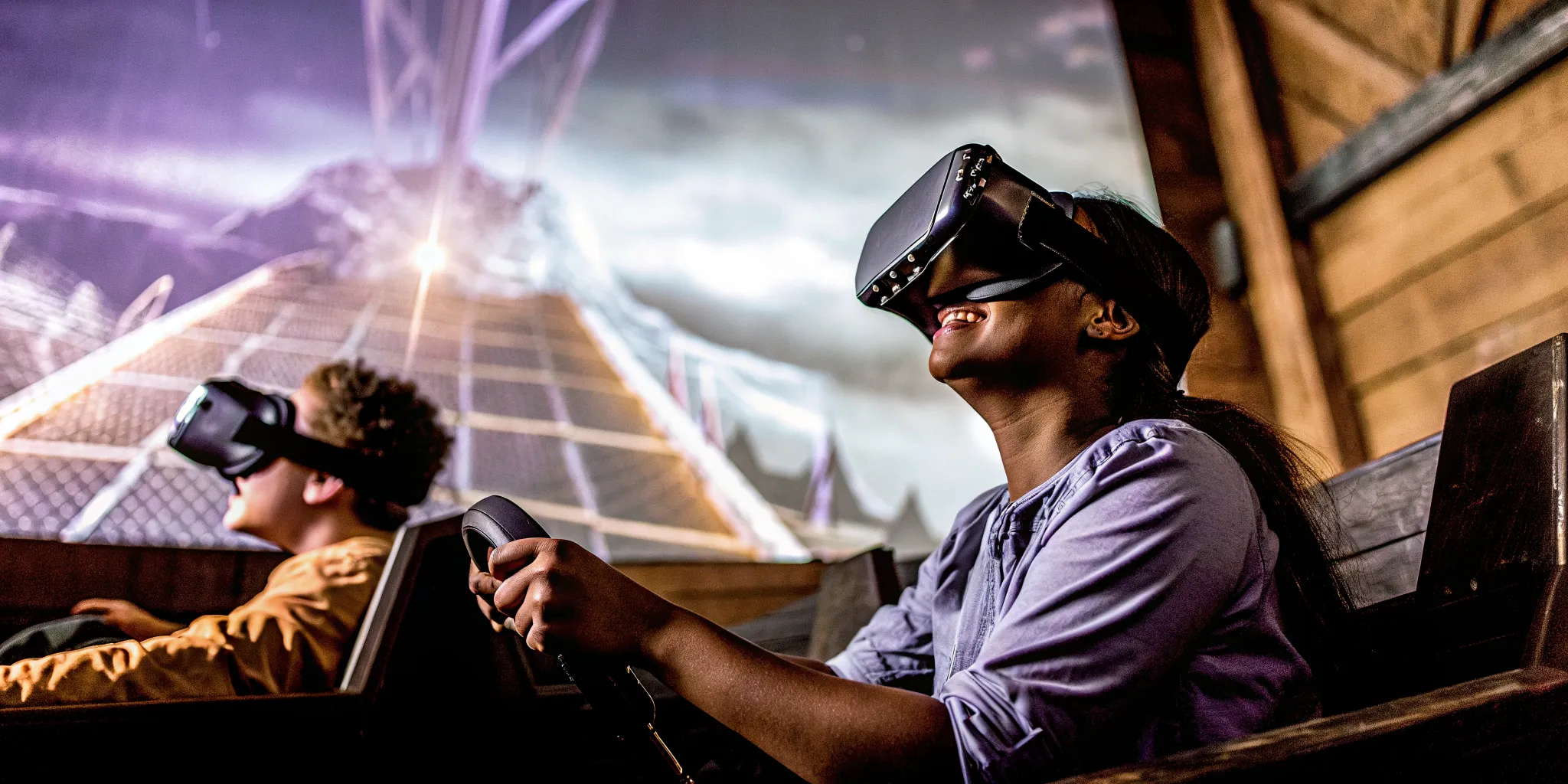
For years, gaming has meant sitting on a couch with a controller in hand. But what if you could be the controller? Modern virtual reality takes you off the sofa and puts your entire body into the game. You're not just pressing buttons to duck and run—you're physically ducking behind cover and running across alien landscapes. This shift from passive entertainment to active adventure is what makes VR so exciting. It's a social, physical, and incredibly immersive way to play. This guide will cover everything you need to know to make the leap, from setting up your space to finding the perfect vr gaming experience to share with friends.
Key Takeaways
- VR's real power is in physical freedom and social connection: It moves gaming from a passive activity to an active one where you can physically explore worlds and interact with friends' avatars side-by-side, creating more memorable shared experiences.
- You can try high-end VR without the high-end price tag: While home setups range from affordable to expensive, visiting a free-roam VR arena lets you experience the best technology available without the personal cost or setup hassle.
- A great experience depends on your physical space and comfort: For any VR session, a safe, clear play area is non-negotiable, and simple habits like taking breaks and ensuring your headset fits correctly are key to playing comfortably.
What's the Big Deal with VR Gaming?
If you think virtual reality is just video games with a fancy headset, you're in for a surprise. VR isn't about looking at a screen; it's about stepping through it. It takes gaming off the couch and puts you directly inside the action, transforming it from a hobby into an experience. The real magic of VR is its ability to make you forget you're playing a game at all. It's the combination of total freedom of movement, genuine connection with others, and a level of immersion that traditional gaming just can't match.
Move Freely and Get Lost in the Game
The biggest game-changer in modern VR is the freedom to move. Forget being tangled in wires or stuck in a chair. With untethered, free-roam VR, your body is the controller. You can physically walk through haunted mansions, duck behind cover to dodge enemy fire, and explore vast alien landscapes on your own two feet. This physical connection makes the virtual world feel incredibly real and solid. When you can move around a space without restriction, your brain starts to believe you're actually there, allowing you to get fully lost in the game.
Connect with Friends in Virtual Worlds
VR shatters the myth that gaming is a solo activity. It's one of the most social and connected ways to play. Instead of just hearing your friends through a headset, you're standing right next to their avatars, seeing their movements, and working together in the same virtual space. You can high-five after a big win, physically point out clues in an escape room, or coordinate your attack against a horde of zombies. This shared presence creates hilarious and unforgettable moments, turning a fun game into a genuine bonding experience with friends.
Experience Games on a Whole New Level
Unlike traditional gaming, where you're always aware you're on a couch with a controller, VR tricks your brain into believing what it sees. This deep sense of psychological immersion is what makes the experience so powerful. Your heart will actually race when a monster lunges at you, and you'll feel a real sense of vertigo when peering over a virtual cliff. The stakes feel higher because your body is part of the game. This heightened reality makes every moment more intense and every story more emotionally resonant. You're not just playing the game; you're living it.
What VR Gear Do You Actually Need?
Thinking about setting up a VR station at home? The hardware can seem a little intimidating, but it really boils down to what kind of experience you're looking for and what your budget is. From powerful, PC-driven headsets to simple, all-in-one devices, there's an option for just about everyone. Understanding the different tiers can help you decide whether you want to invest in your own setup or just dive straight into the action at a place that has all the top-tier equipment ready for you. Let's walk through what's out there.
The Best High-End VR Headsets
If you're after the absolute best visual quality and performance, the high-end market is where you'll find it. These headsets typically require a powerful gaming PC to run, but they deliver stunning graphics and incredibly precise tracking. The Valve Index is a longtime top choice for serious gamers because of its crystal-clear display and controllers that track individual finger movements, adding a new layer of immersion. On the premium end of the spectrum, you have devices like the Apple Vision Pro, which is less of a pure gaming headset and more of a "spatial computer" designed to blend digital content with your physical space. These are for enthusiasts who want the best of the best and are willing to invest in it.
Great Mid-Range Options
This is the sweet spot for most people who want to get into VR without needing a supercomputer. The Meta Quest 3 is a fantastic all-in-one headset that doesn't require a PC, making it incredibly easy to set up and start playing. You get the freedom to move around without any cables tying you down. The technology in this category has improved so much over the years, with headsets becoming lighter, more comfortable, and more accessible than ever before. If you want a high-quality, hassle-free VR experience that just works right out of the box, a mid-range option is likely your best bet.
Budget-Friendly Picks that Still Deliver
You don't have to spend a fortune to get a great VR experience. Entry-level headsets are surprisingly capable and are a perfect way to see if VR gaming is for you. The Meta Quest 2, for example, is still a solid choice that offers a massive library of games and a completely wireless experience at a very friendly price point. These headsets are accessible for those new to VR, typically costing between $150 and $300. While they might not have the same graphical power as their high-end counterparts, they deliver fun, immersive gameplay that will give you a real taste of what virtual reality has to offer.
Accessories You Won't Want to Play Without
Once you have your headset, a few key accessories can take your experience from good to great. Add-ons like haptic gloves or vests let you feel sensations in the game, like the recoil of a weapon or the impact of an explosion, which adds a wild level of immersion. If you wear glasses, you know the struggle of trying to fit them comfortably inside a headset. Investing in custom prescription lens inserts is a total game-changer for both comfort and clarity. These little upgrades can make a huge difference in how long and how comfortably you can play.
The Best VR Gaming Experiences to Try
Ready to find your new favorite game? VR offers a massive range of experiences, from heart-pounding shooters to relaxing creative tools. Whether you want to get your body moving, solve a mind-bending puzzle with friends, or explore a new world, there's a perfect VR game waiting for you. Think of this as your starting point for discovering the incredible variety VR has to offer. We'll walk through some of the most popular genres and highlight a few standout titles in each to help you find an experience you'll love.
Action and Adventure Games
If you crave exploration and excitement, action-adventure games are where VR truly shines. These experiences drop you directly into cinematic worlds where you are the hero. You can physically duck behind cover, aim your weapon with your own hands, and solve puzzles by directly manipulating objects around you. A standout title, Half-Life: Alyx, is often described as a game that feels like it's from the future, offering an incredibly immersive experience that lets you interact with the game world in remarkable ways. These games aren't just about watching a story unfold—they're about living it.
Rhythm and Music Games
Rhythm games are some of the most popular and instantly gratifying experiences in VR. They're easy to pick up but challenging to master, making them perfect for parties or a quick, fun workout. Games like Beat Saber have become iconic for a reason; it's a rhythm game that's super easy to learn and provides instant fun. Many players call it the "Tetris of VR" because of its accessibility and addictive gameplay. You'll find yourself slashing blocks to the beat, feeling like a musical ninja as you get lost in the flow of the music and lights.
Sports and Fitness Apps
Who said video games have to be sedentary? VR fitness apps turn your workout into an exciting game, making it easier than ever to stay motivated. Instead of staring at a gym wall, you can box in a virtual ring, dance to your favorite songs, or cycle through stunning landscapes. Apps like PowerBeatsVR and Supernatural offer a unique way to get in shape while playing. They combine high-energy workouts with great music and progress tracking, so you can have a blast while hitting your fitness goals. It's a fantastic way to make exercise feel less like a chore and more like playtime.
Social and Multiplayer Hangouts
VR is an incredible way to connect with people, whether they're across the room or across the world. Multiplayer games let you team up with friends to take on challenges, compete in virtual sports, or just hang out in a digital space. Experiences like those at Sandbox VR provide a futuristic adventure for groups, allowing players to see and physically interact with each other in a shared virtual environment. This is where free-roam VR really excels, creating unforgettable group memories as you and your friends work together to survive a zombie apocalypse or explore an alien world side-by-side.
Horror and Thriller Adventures
There's nothing quite like the thrill of a horror game in VR. The immersion makes every creak, shadow, and jump scare feel incredibly real, putting you right in the middle of the action. If you're new to the genre and want to test the waters, you don't have to start with the most terrifying game available. For example, Affected: The Haunted House is a great introduction to VR horror, offering a thrilling haunted-house walkthrough that's spooky without being overwhelming for newcomers. It's the perfect way to experience the adrenaline rush of VR horror.
Creative and Educational Apps
VR isn't just for gaming; it's also a powerful tool for learning and creativity. You can sculpt 3D models with your hands, compose music in a virtual studio, or travel the world without leaving your home. These apps provide unique opportunities for discovery and self-expression. For instance, Sygic Travel VR allows you to explore various locations around the globe, offering a unique educational experience as you virtually visit historical landmarks and natural wonders. It's a fantastic way to see the world from a new perspective and learn something new along the way.
How to Set Up Your Perfect VR Space
Bringing VR into your home is an exciting step, but a great experience depends on more than just the headset. Creating the right environment is key to staying safe and getting fully lost in the game. Unlike a dedicated space like Zero Latency VR, where the setup is handled for you, a home system requires a bit of planning. Taking the time to prepare your space ensures your virtual adventures are seamless and accident-free. From clearing furniture to positioning your gear, a little prep work goes a long way.
Plan Your Play Area
First things first: you need room to move. Most VR systems require a minimum play area, but more space is always better. You'll want to clear a space free of furniture, pets, and any other tripping hazards. Remember to look up, too—watch out for low-hanging light fixtures or ceiling fans. Before you start, measure your open space and use your headset's built-in boundary system, often called a "guardian" or "chaperone," to draw a virtual wall. This will alert you if you get too close to a real-world obstacle. Having enough clear space is the most important step to using VR safely and comfortably at home.
Stay Safe While You Play
Once your space is clear, a few simple habits can keep you safe during intense gameplay. Always use the controller wrist straps—the last thing you want is a controller flying into your TV. It's also a good idea to let others in your home know when you're about to jump into VR so they don't accidentally walk into your play area. Just like you would at a professional VR arcade, it's important to follow all safety instructions provided with your hardware. Your virtual boundary is your best friend, so pay attention when it appears and take a step back into the center of your space.
Tips for a Comfortable, Nausea-Free Experience
Feeling a bit queasy? It's a common issue for VR newcomers, often called "VR sickness." This happens when your eyes see movement but your body is standing still, creating a sensory mismatch. To avoid this, start with games that involve less artificial movement. It's also smart to take frequent breaks, especially when you're just starting out. Some people find that pointing a fan at their play area helps them stay oriented and cool. Staying hydrated and making sure your headset fits properly can also make a huge difference, ensuring you can play for longer without discomfort.
Position Your Equipment for the Best Tracking
For your VR system to work correctly, its sensors need to see your headset and controllers clearly. This is called tracking, and it's what allows you to move around in the virtual world. If you have a system with external base stations, place them in opposite corners of your room, angled down toward your play area. For headsets with inside-out tracking (where cameras are on the headset itself), make sure your room is well-lit but avoid direct sunlight and reflective surfaces like mirrors, which can interfere with the cameras. Proper tracking and controllers are essential for a smooth and immersive experience.
Is VR Gaming Worth the Investment?
So, you've seen the incredible worlds VR can offer, but you're wondering about the price tag. It's a valid question. Getting into VR gaming at home can feel like a big step, and the costs can vary quite a bit. The good news is that there are entry points for almost any budget, and you don't have to buy the most expensive gear to have an amazing time. The real question isn't just about money—it's about what kind of experience you're looking for.
Are you a casual player who wants to try a few rhythm games, or are you a dedicated gamer ready to build a full-immersion setup? Thinking about how you want to play will help you figure out where your money is best spent. It's also helpful to remember that the investment goes beyond just hardware; it's about the unique memories you'll create, whether you're playing solo or laughing with friends. If you're on the fence, trying a premium, free-roam experience at a place like Zero Latency VR can give you a taste of what high-end VR feels like before you commit to buying your own setup.
A Guide to Hardware Costs
The headset is your biggest initial purchase, and prices are all over the map. You can find accessible, all-in-one headsets for a few hundred dollars that offer fantastic experiences without needing any other equipment. On the other end of the spectrum, high-end models can cost over a thousand dollars and often require a powerful gaming PC to run, which adds to the total cost. The key is to match the hardware to your expectations. You don't need the most powerful setup to enjoy VR, but more advanced headsets will offer higher resolutions and wider fields of view for deeper immersion.
Understanding Game Prices and Subscriptions
Once you have your hardware, you'll need some games. Thankfully, building a VR library doesn't have to be expensive. Many of the most popular VR games are quite reasonably priced, often costing less than traditional console games. You can also find a surprising number of high-quality free-to-play games and social experiences. Some platforms offer subscription services that give you access to a rotating library of games for a monthly fee, which can be a great way to try a lot of different titles. For most gamers, the cost of VR games feels like a definite win.
How to Find Sales and Bundles
If you love a good deal, you're in luck. The VR game market is full of sales and special offers, especially around holidays. It's smart to keep an eye on the official game stores for your headset, like the Meta Quest store or SteamVR, as they frequently feature discounts. You can also find websites that track current VR game deals across different platforms, updating hourly with the latest price drops. Buying games in bundles is another fantastic way to save money and discover new titles you might not have tried otherwise.
Deciding Between Essential and Optional Accessories
Out of the box, your headset will have everything you need to start playing. But a few key accessories can make your experience much more comfortable and enjoyable. Think of things like a more comfortable head strap, protective silicone grips for your controllers, or a carrying case to keep your gear safe. When deciding what you need, consider factors like comfort and how you plan to use your headset. You can always start with the basics and add more accessories over time as you figure out what works best for you.
Common VR Gaming Myths, Busted
Virtual reality has come a long way, but there are still a few persistent myths that might make you hesitate to jump in. If you've heard that VR is isolating, expensive, or just for hardcore tech enthusiasts, it's time to set the record straight. Let's clear the air and look at what modern VR gaming is really like. You might be surprised to find it's more accessible, social, and fun than you think.
Myth: "VR is only for serious gamers."
This is one of the most common misconceptions about VR. While there are plenty of deep, complex games for seasoned players, the virtual world is packed with experiences for every skill level and interest. Think of it less like a single type of game and more like a new platform for all kinds of entertainment. You can find everything from creative puzzle games and relaxing escape rooms to high-energy dance challenges and social hangouts. The beauty of VR is its variety; it offers accessible games that are intuitive and easy to pick up, making it perfect for group outings where not everyone is a pro gamer.
Myth: "It will definitely make me sick."
The fear of motion sickness is understandable, especially if you've heard early VR horror stories. While some people can experience discomfort, it's far from a universal problem. Modern advancements in technology, like higher refresh rates and more precise tracking, have significantly reduced the factors that cause that queasy feeling. Plus, free-roam VR experiences like ours often feel more natural because your real-world movements match what you see in the headset. Your body is walking, turning, and ducking right along with your avatar, which helps your brain stay comfortable and immersed in the action.
Myth: "VR is a lonely experience."
This couldn't be further from the truth! While you can certainly play solo adventures, VR truly shines as a shared activity. Many of the best experiences are designed for multiplayer interaction, letting you team up with friends to solve puzzles, battle zombies, or explore new worlds together. In a free-roam environment, you can see your friends' avatars, hear them through your headset, and work together as a team. It breaks down the stereotype of the solitary gamer, turning VR into a dynamic and highly social event that's perfect for birthdays, team-building, or just a fun night out.
Myth: "You need a ton of money and space."
Getting a top-tier, at-home VR setup can be an investment in both money and space. But you don't need to clear out your living room or spend a fortune to have an incredible VR experience. That's where VR arenas come in. We provide all the high-end equipment and a massive, dedicated play area so you can enjoy the best of what VR has to offer without any of the personal cost or hassle. It's an affordable way to access a premium, warehouse-scale adventure that simply isn't possible in most homes.
Myth: "It's too complicated to set up."
If you've ever been frustrated by tangled wires and confusing instruction manuals, you might worry that VR is too technical. While some home systems require a bit of tinkering, many modern headsets are becoming more user-friendly. Better yet, when you come to a VR arcade, the setup is completely handled for you. Our team takes care of all the technical details, from fitting your gear to launching the game. Your only job is to show up ready to play. This makes VR accessible to everyone, regardless of their tech-savviness.
Get the Most Out of Your VR Experience
Once you have your setup, a few simple habits can make a world of difference in your gameplay. Think of it like stretching before a workout—these small steps ensure every session is smooth, comfortable, and incredibly fun. From keeping your gear in top shape to learning the unwritten rules of virtual social spaces, these tips will help you turn a good VR experience into a great one.
Optimize Your PC and Headset Performance
To get that buttery-smooth immersion VR promises, your gear needs to run at its best. If you're playing on a PC, start by making sure your graphics card drivers are always up to date. This single step can solve a surprising number of performance issues. Inside your VR software, take a moment to run through the setup and calibration tools. This ensures the system understands your height and play space, which is key for accurate tracking. As VR hardware continues to evolve with lighter headsets and more precise tracking, keeping your current system optimized means you're getting the best performance it can offer right now.
Play Comfortably for Longer
Feeling good while you play is non-negotiable. Start by adjusting your headset until it fits snugly but comfortably—it shouldn't press too hard on your face or feel like it's slipping. Taking regular breaks is also a great idea, especially when you're new to VR. Just a few minutes out of the headset every hour can help your brain and body reset. Remember, VR isn't just for intense, hardcore sessions. There are tons of casual games and experiences designed for relaxation and shorter playtimes. Finding what feels right for you is the key to making VR a regular part of your entertainment routine.
Best Practices for Playing with Others
Jumping into a multiplayer game is one of the most exciting parts of VR. To make sure everyone has a good time, a little virtual etiquette goes a long way. Use your microphone to communicate clearly with your teammates, but be mindful of talking over others. Respect personal space, even in the virtual world—getting too close to another player's avatar can feel just as awkward as it does in real life. As headsets become more accessible, virtual environments are becoming more popular social hubs. By being a considerate player, you help make these spaces fun and welcoming for everyone.
Take Care of Your Gear
Your VR headset is your portal to other worlds, so it deserves a little TLC. Always use a clean, dry microfiber cloth to wipe your lenses—never use harsh chemicals or paper towels, which can scratch them. When you're done playing, store your headset away from direct sunlight, as the sun's rays can permanently damage the lenses and screen. A proper fit is also part of gear care; ensuring the headset is fitted correctly not only makes it more comfortable but can also help reduce motion sickness. Taking a few moments to care for your equipment will ensure it lasts for years of adventures.
Future-Proof Your VR Setup
The world of VR is growing incredibly fast, and it can be tempting to worry about your gear becoming obsolete. But "future-proofing" isn't about having the absolute latest model. Instead, focus on building a solid foundation. If you're a PC VR user, investing in a capable computer will serve you well for years to come. When choosing a headset, stick with established brands that have a strong track record of software support. The VR market is expanding rapidly, and a good quality setup today will allow you to enjoy the amazing new games and experiences that are just around the corner.
What's Next for VR Gaming?
Virtual reality is evolving at an incredible pace, and what feels like science fiction today will be the standard for gaming tomorrow. The core experience of stepping into another world is only getting richer and more believable. Developers are pushing the boundaries of what's possible, focusing on deeper immersion, smarter game design, and more ways to connect with others. From feeling the virtual rain on your skin to interacting with characters who feel truly alive, the future of VR is all about breaking down the barriers between the player and the game. Let's look at some of the most exciting developments on the horizon.
The Rise of Haptic Feedback
Imagine feeling the tension of a bowstring as you pull it back or the subtle impact of a zombie's grasp. That's the promise of haptic feedback. This technology uses vibrations and other physical sensations to simulate touch, making virtual interactions feel incredibly real. The next wave of VR gear is focused on more than just what you see and hear; it's about what you feel. As developers create more immersive haptic feedback, you'll be able to experience game worlds with a new level of physical connection. This goes beyond a simple controller rumble—we're talking about full-body suits and gloves that let you interact with virtual objects as if they were right in front of you.
Playing Together Across Different Platforms
One of the biggest shifts in VR is making it easier for everyone to play together. In the past, you were often limited to playing with people who owned the exact same headset as you. That's changing. As headsets become lighter, more powerful, and more affordable, the industry is moving toward cross-platform play. This means you'll be able to team up with friends or face off against rivals regardless of the device they're using. This focus on accessibility is breaking down walls and building a larger, more connected community of VR players, making multiplayer experiences more vibrant and populated than ever before.
More Immersive Social Features
VR is fundamentally a social technology, and its future lies in creating deeper, more meaningful connections between players. Developers are building out robust social features that go far beyond simple voice chat. Think customizable avatars that mirror your real-life expressions, shared social hubs where you can hang out with friends between games, and in-game events that foster a true sense of community. The goal is to make virtual interactions feel as natural and engaging as hanging out in person. This turns gaming from a simple activity into a shared social experience where you can build lasting friendships.
How VR is Changing Health and Fitness
Who said workouts have to be boring? VR is transforming the fitness world by turning exercise into an exciting adventure. Instead of staring at a wall while on a treadmill, you can be boxing in a virtual ring, dancing in a neon-lit club, or exploring fantastical landscapes on a virtual bike. Because it's so engaging, VR fitness makes you forget you're even working out. This new computing platform is being used in all sorts of innovative ways to get people moving, offering everything from high-intensity cardio to guided meditation in serene virtual environments. It's a fun, effective way to stay active without ever getting bored.
Smarter, AI-Powered Game Worlds
Get ready for game worlds that feel truly alive. The integration of artificial intelligence is one of the most exciting frontiers in VR. AI is being used to create non-player characters (NPCs) that are more than just predictable, scripted bots. These characters can react to your actions, learn your strategies, and communicate in ways that feel genuinely intelligent and spontaneous. This leads to more dynamic and unpredictable gameplay where no two playthroughs are the same. These smarter, more responsive game worlds will make single-player adventures feel less lonely and multiplayer challenges more complex, creating a richer and more believable experience for everyone.
Related Articles
- Exploring Advanced Virtual Reality: Top Headsets & Applications
- Find the Best VR Arcade: Your Ultimate Guide
- Best VR Arcades in Austin: The Ultimate Guide
- Top Austin VR Arcades: Your Guide to Immersive Fun
- Top 5 VR Experiences Austin 2025
Frequently Asked Questions
I get motion sickness easily. Will VR make me feel sick? This is a super common concern, but the technology has improved so much that it's far less of an issue than it used to be. Modern headsets have higher refresh rates and better tracking, which helps a lot. Many people find that free-roam VR is actually more comfortable because your physical movements, like walking and turning, match what you're seeing in the game. This helps your brain stay in sync and reduces that queasy feeling.
Do I need to be a serious gamer to enjoy VR? Not at all! While there are plenty of intense games for hardcore players, VR is really a platform for all kinds of entertainment. You can find everything from creative puzzle games and virtual escape rooms to rhythm challenges and shared social hangouts. Thinking of it less as "gaming" and more as a new way to have an experience is the right mindset. There's truly something for every interest and skill level.
Is VR a solo activity, or can I play with my friends? VR is one of the most social ways you can play. Instead of just hearing your friends through a headset, you're standing right beside their avatars, seeing them move, and working together in the same virtual space. You can coordinate strategies, solve puzzles as a team, or just laugh when someone gets startled by a zombie. It's a shared experience that creates genuinely fun and memorable moments together.
What's the real difference between playing VR at home versus at a VR arcade? Playing at home is great, but a VR arcade offers an experience that's on a completely different level. You get to use top-of-the-line, wireless equipment in a massive, open space that allows you to physically walk, run, and explore without worrying about bumping into furniture. All the technical setup is handled for you, so you can just show up and dive straight into a premium adventure that isn't possible in a typical living room.
Do I need a lot of space at home to play VR? For a home setup, you do need to clear a dedicated area to move around safely, and more space is always better. This is one of the biggest advantages of visiting a VR arena. We provide a huge, warehouse-scale play area designed specifically for VR, so you have total freedom to move without any restrictions. It lets you get fully lost in the game without worrying about real-world obstacles.