
The Ultimate Guide to VR Gaming Experiences
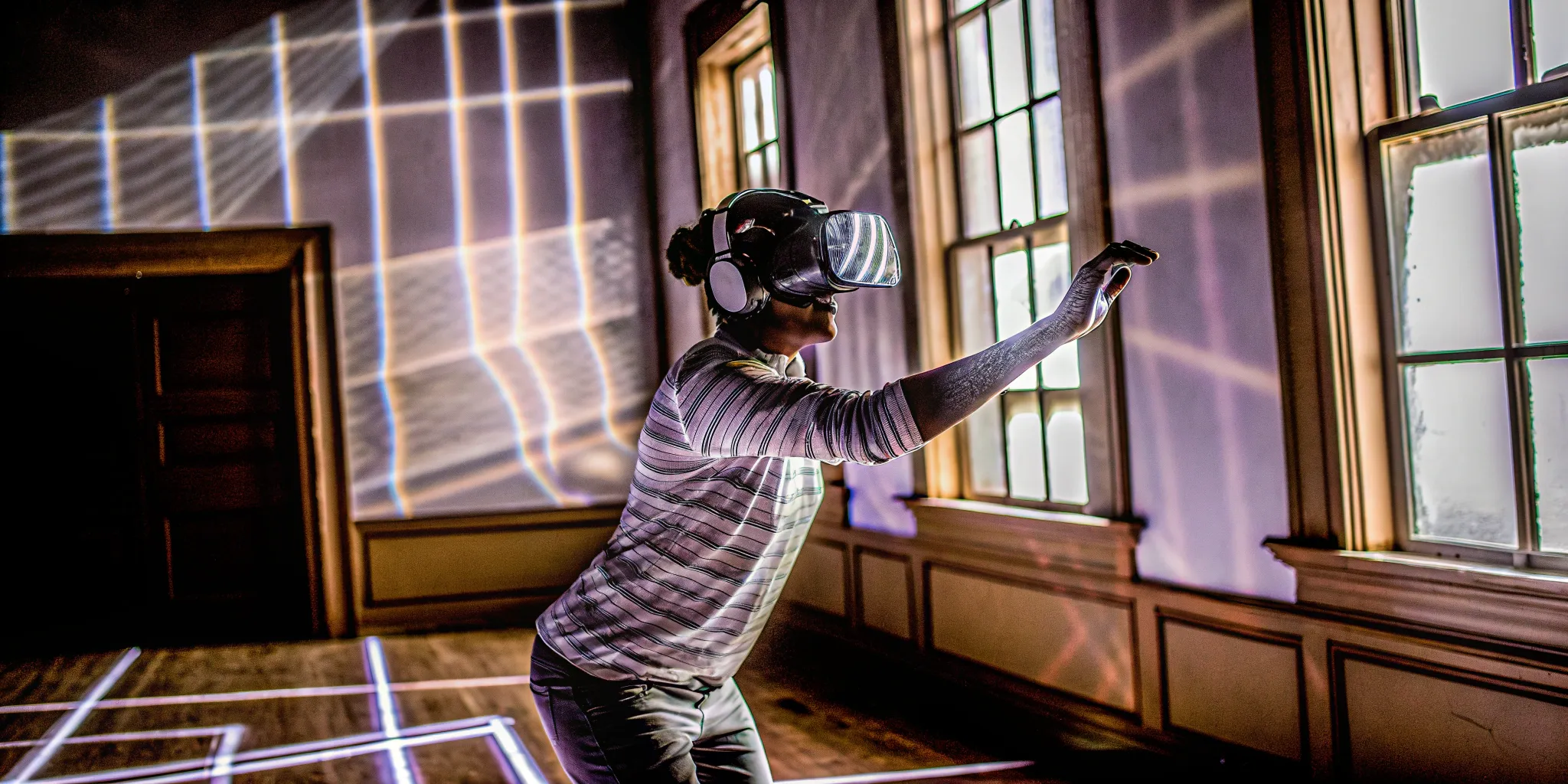
If you've tried VR at home, you know how cool it is to be transported to another world. But that experience is just the beginning. True immersion happens when you can move freely, without wires holding you back. This is the world of free-roam VR, where you can walk, run, and duck in a massive open space, with your body acting as the controller. It's a game-changing feeling that makes the virtual world feel completely real. This article will explore the full spectrum of vr gaming experiences, from the best at-home setups to the unforgettable adventures you can only find in a dedicated free-roam arena.
Key Takeaways
- Decide on the setting before the gear: Your first choice isn't which headset to buy, but whether you want the convenience of an at-home system for solo play or the unmatched immersion of a dedicated free-roam arena for group events.
- Immersion is built on details: A truly convincing virtual world relies on more than just graphics; look for experiences that combine crisp visuals with seamless motion tracking, spatial audio, and a comfortable headset to make you forget you're in a game.
- VR's true potential is social: While solo adventures are fun, the most memorable experiences come from sharing the adventure. Working together with friends, family, or colleagues in a shared virtual space creates a unique and powerful way to connect.
What Makes VR Gaming So Different?
You've probably gotten lost in a video game before, but virtual reality takes this to a whole new level. Instead of controlling a character on a screen, VR puts you directly inside the game world. It's the difference between watching a movie about climbing a mountain and feeling the wind as you look down from the summit. This shift from observer to participant is what makes VR gaming so powerful. It engages your senses in a way flat screens can't, creating moments that feel genuinely real.
How Gaming Got So Immersive
The magic of VR is "presence"—the feeling of actually being in a virtual environment. A VR headset achieves this by taking over your sight and sound, blocking out the real world to present a new one. Unlike a 3D movie, VR tracks your head movements, so when you look around, the world moves with you. This creates a fake experience that can feel completely real. You're not just pressing a button to walk; you are physically taking the steps. This ability to move and interact with the digital world is what truly separates VR from other types of gaming.
The Core of a Great VR Game
For a virtual world to feel believable, the tech has to be seamless. Two key factors are resolution and field of view (FOV). A high-resolution display makes the world look sharp, not pixelated. The FOV determines how much of the virtual world you can see, and a wider view is crucial for immersion. Because the screens are so close to your face, VR headsets also need a much higher pixel density than a TV to look crisp. These details work together to trick your brain into accepting the new reality, making the entire experience feel authentic.
How Much Space Do You Really Need?
A big hurdle for at-home VR is the physical space it requires. To truly move around, you need a clear "play space." This means pushing furniture aside so you don't trip over a rug or punch a wall while fighting zombies. Many homes, especially apartments, don't have a large, open room to dedicate to VR. This limitation can break the immersion when your hand hits a real-world bookshelf. It's why many people find that to get the full, untethered experience, you need a dedicated space designed specifically for free-roam virtual reality.
A Guide to Top VR Gaming Platforms
If you're thinking about bringing VR into your living room, you have some fantastic options. The world of at-home VR headsets has grown a lot, offering everything from simple, all-in-one devices to high-powered systems that connect to your PC or gaming console. Each platform has its own strengths, from the games it offers to the overall experience it provides. Let's walk through some of the most popular choices so you can get a feel for what might be the right fit for you.
Meta Quest Series
The Meta Quest is probably the name you've heard the most, and for good reason. Its biggest selling point is that it's a standalone headset—no PC, no consoles, no wires. You just put it on, grab the controllers, and you're ready to play. This makes it incredibly accessible for beginners. The game library is huge, and the price is one of the most competitive on the market, with the Meta Quest 2 often available for under $300. It's a solid all-rounder that delivers a great VR experience without a complicated setup.
PlayStation VR2
For those who already own a PlayStation 5, the PlayStation VR2 is a natural choice. It plugs directly into the console, leveraging the PS5's power to deliver stunning graphics and smooth performance. While the original PSVR had some tracking limitations, the PSVR2 is a massive leap forward with inside-out tracking and innovative Sense controllers that feature haptic feedback and adaptive triggers. The main draw here is the library of exclusive, high-quality games you won't find anywhere else. If you're a dedicated PlayStation gamer, this headset is designed just for you.
HTC Vive
The HTC Vive series is a favorite among VR enthusiasts who want a premium, room-scale experience powered by a gaming PC. The Vive is known for its incredibly precise head and controller tracking, which creates a deeply immersive feeling. This accuracy makes it a top choice for games that require quick, detailed movements. While it comes with a higher price tag and requires a powerful computer to run, the investment pays off with a top-tier visual experience and access to a massive library of games on platforms like SteamVR. It's a serious setup for those who want to push the boundaries of at-home VR.
Valve Index
Another heavyweight in the PC VR space is the Valve Index. Developed by the company behind the gaming platform Steam, the Index is all about performance. It's praised for its exceptional visual quality, wide field of view, and high refresh rate, which all contribute to a super smooth and realistic experience. The unique "knuckle" controllers are also a standout feature, tracking individual finger movements to make your in-game interactions feel more natural. Like the Vive, the Valve Index requires a capable gaming PC, but it's considered one of the best all-around headsets for dedicated VR gamers.
Comparing Performance and Price
So, how do you choose? It often comes down to a balance of price, convenience, and performance. The Meta Quest series offers the best value and ease of use, making it a perfect entry point. The PSVR2 is the clear winner for PS5 owners who want exclusive, high-fidelity console gaming. For those with a powerful PC, the choice between the HTC Vive and Valve Index depends on your priorities. The Vive is renowned for its tracking accuracy, while the Index excels in visual fidelity and controller innovation. Ultimately, your ideal VR headset depends on your budget and the type of gaming setup you already have.
What to Look For in a Quality VR Experience
Not all virtual reality is created equal. A truly great VR experience is a careful blend of technology and design that works together to trick your senses into believing you're somewhere else entirely. When you're searching for an adventure that feels real, it's helpful to know what separates a mind-blowing virtual world from a clunky, forgettable one. From the sharpness of the visuals to the feel of the controller in your hand, every detail matters. Understanding these key components will help you spot a premium experience that delivers true immersion, whether you're buying a system for your home or visiting a VR arcade.
Why Visuals and Resolution Matter
The first thing you'll notice in VR is what you see. Crisp, clear visuals are the foundation of a believable virtual world. That's why display resolution is so important. Because the screens are just inches from your eyes, they need a much higher pixel density than a TV or computer monitor to look sharp. Look for experiences that use headsets with high resolution, as this prevents the "screen door effect," where you can see the tiny gaps between pixels. A higher resolution means a smoother, more realistic image, allowing you to get lost in the details of the game instead of being distracted by the technology creating it.
The Importance of Comfort and Design
A VR headset can have the best visuals in the world, but if it's uncomfortable, you'll be pulled right out of the experience. A quality headset should feel balanced and secure, not heavy or awkward. Pay attention to features like adjustable straps and soft padding that allow for a customized fit. Good weight distribution is key, especially in free-roam VR where you're moving around a lot. You want to forget you're even wearing a headset so you can focus completely on the adventure. A well-designed system ensures that your physical comfort never gets in the way of your virtual fun.
Understanding Tracking Technology
Tracking is the magic that lets you move around in the real world and have those movements perfectly mirrored in the virtual one. Precise, low-latency tracking is what makes you feel truly present. When you duck behind cover or reach out to grab an object, the system should respond instantly and accurately. This seamless connection between your body and your avatar is what prevents motion sickness and makes interactions feel natural. Whether it's through cameras on the headset or external sensors, reliable tracking technology is the invisible force that makes a virtual environment feel like a real place you can explore.
Feel the Game: Motion Controls and Haptics
Seeing and hearing a virtual world is one thing, but being able to interact with it is another. Motion controllers are your hands in the game, letting you pick up items, wield weapons, and communicate with your team. But the best experiences go a step further with haptics. Haptic feedback uses vibrations and resistance to simulate the sense of touch. Imagine feeling the recoil of a blaster or the rumble of a nearby explosion. These physical sensations make your actions feel more impactful and the world more solid, deepening the immersion in a way visuals and audio alone can't.
Why Immersive Audio is Key
What you hear in VR is just as important as what you see. High-quality audio is essential for creating a convincing sense of space and atmosphere. The best VR experiences use spatial audio, which makes sounds feel like they're coming from specific directions around you. You can hear an enemy creeping up behind you or a teammate calling out from your left. This 3D soundscape not only makes the world feel more alive but also gives you crucial gameplay cues. It's the final piece of the puzzle that completes the illusion, pulling you deeper into the virtual environment and making you feel like you're truly there.
Find the Best VR Games for You
The sheer variety of VR games can feel a bit overwhelming, but it also means there's truly something for everyone. Whether you want to explore fantastical worlds, get your heart pumping with a workout, or survive a zombie apocalypse with your friends, there's a virtual reality waiting for you. The key is to match the game genre to the kind of experience you're looking for. Think about what you enjoy in movies, books, or traditional video games—chances are, there's a VR equivalent that will blow you away. From solo adventures that let you get lost in a story to high-energy social games that are perfect for a group outing, the possibilities are endless. Understanding the main types of games is the first step in finding an experience you'll absolutely love. It's less about finding the "best" game and more about finding the best game for you and the occasion. Are you looking for a deep, narrative-driven game to play over several weeks, or a quick, exhilarating burst of fun you can share with family? Let's walk through some of the most popular categories to help you find your perfect match.
Top Action and Adventure Games
If you dream of epic quests and exploring vast, new worlds, action and adventure games are your ticket. These games place you directly in the hero's shoes, letting you wield a sword, cast spells, or pilot a starship. A perfect example is Skyrim VR, which transforms a classic fantasy game into a breathtakingly immersive reality. Players often say that exploring its world in VR is one of the most enriching gaming experiences available. Instead of just controlling a character on a screen, you are the character, making every discovery and battle feel personal and incredibly real.
Fun Rhythm and Music Games
Looking for something that's instantly fun and easy to jump into? Rhythm games are the answer. Titles like Beat Saber are wildly popular for a reason—they're intuitive, addictive, and a blast to play. Often called the "Tetris of VR," it's a game anyone can pick up in minutes. You'll find yourself slashing through color-coded blocks in time with an energetic soundtrack, feeling like a futuristic ninja. These games are perfect for parties or when you just want a quick dose of fun, offering a satisfying challenge that keeps you coming back for more.
Great Sports and Fitness Apps
Who said gaming was a sedentary hobby? VR fitness apps completely change that narrative by making exercise feel like a game. Titles like PowerBeatsVR and Supernatural combine the fun of gaming with physical activity, guiding you through workouts set to incredible music in stunning virtual locations. You can box, dance, or squat your way to your fitness goals without ever feeling like you're at the gym. These apps are fantastic for tracking your progress and staying motivated, offering a dynamic and engaging way to break a sweat from your living room.
Terrifying Horror and Survival Games
If you love the adrenaline rush of a good scare, VR horror is an experience you won't forget. It takes the genre to a whole new level of intensity by eliminating the safety of the screen between you and the monsters. Games like Into the Radius create a deeply unsettling atmosphere that's impossible to shake. You're not just watching a horror movie; you're living inside one. Every creak, shadow, and distant noise feels immediate and real, making for a uniquely terrifying and immersive survival challenge that will test your nerves.
The Best Social and Multiplayer Options
Some of the most memorable moments in gaming happen when you're playing with friends, and VR is no exception. While there are many great at-home multiplayer games, nothing compares to a shared free-roam VR experience. In a free-roam arena, you and your team can physically walk through the virtual world together, strategizing in real-time and high-fiving after a big win. You see your friends as full-body avatars, hear their shouts of excitement, and work together to survive zombie hordes or explore alien worlds. It's a social, active, and incredibly immersive adventure that takes teamwork to a whole new dimension.
Discover Free-Roam VR: The Ultimate Gaming Experience
If you've only tried VR at home, you're missing out on a whole other level of immersion. Free-roam VR takes you out of your living room and drops you into massive, open spaces where your body is the controller. It's the difference between watching an adventure and actually living it. This is where virtual reality truly shines, letting you and your friends explore new worlds together, without any wires to hold you back.
What Makes Free-Roam a Game-Changer
The magic of free-roam VR is right in the name: freedom. Unlike traditional VR that tethers you to a console or computer, a true free-roam experience is completely wireless. This means you can walk, run, duck, and turn as naturally as you would in the real world. Without cables tying you down, your brain more easily accepts the virtual environment, making the entire adventure feel incredibly real. It's this untethered movement that allows you to fully lose yourself in the game, reacting instinctively and interacting with the world and your teammates in a much more genuine way.
The Zero Latency VR Difference
Not all free-roam experiences are created equal. At Zero Latency VR, the focus is on providing high-quality, expansive adventures that you just can't get anywhere else. We combine state-of-the-art technology with custom-built games designed for group play in large arenas. This means you aren't just moving around a small room; you're exploring vast virtual worlds with up to eight players. Our unique VR experiences are built from the ground up to be social, immersive, and unforgettable, setting a global standard for what warehouse-scale VR can be.
Team Up for Unforgettable Adventures
While playing solo can be fun, VR truly comes alive when you share it with others. Collaborative gameplay is at the heart of the best free-roam experiences, turning a fun activity into a powerful bonding moment. When you and your friends have to work together to survive a zombie apocalypse or solve a mind-bending puzzle, you create shared memories that last long after you take the headset off. These multiplayer VR games are perfect for everything from a family outing to a corporate team-building event, offering challenges that are engaging for players of all ages and skill levels.
Why Multiplayer Makes It Better
Great multiplayer is about more than just being in the same game; it's about who you're playing with. Public online games can sometimes be unpredictable, but a private free-roam session ensures you're sharing your adventure with your own crew. This creates a comfortable and fun environment where you can communicate freely and work as a team without distractions. Some online multiplayer experiences can be less enjoyable for adults, which is why playing in a curated group setting is ideal. It guarantees that the only screams you'll hear are from your friends.
VR Gaming: Better With Friends
Sure, stepping into a virtual world by yourself is an incredible feeling. But bringing your friends along for the ride? That's where the real magic happens. VR gaming is fundamentally a social experience, transforming a solo adventure into a shared memory. Instead of just telling your friends about the cool world you explored, you can explore it together, side-by-side. The shared gasps, the coordinated strategies, and the triumphant high-fives (virtual or real) create a connection that traditional screen-based gaming can't quite replicate.
Free-roam VR takes this to the next level. You aren't just connected through headsets; you're physically moving through the same open space, reacting to each other's movements and callouts in real-time. Whether you're defending a fortress from a zombie horde or navigating a mind-bending puzzle, you're doing it as a team. This shared experience builds camaraderie and creates stories you'll be retelling long after you've taken off the headset. It's an opportunity to see your friends, family, or coworkers in a completely new light as you work together to overcome challenges in a world without limits.
Plan Your Next Team-Building Event
Let's be honest: most corporate team-building exercises are a little stale. Swapping the conference room for a virtual battlefield is a surefire way to get your team communicating and collaborating like never before. VR games require clear communication, quick problem-solving, and genuine teamwork to succeed. It's a fantastic way to approach team-building events from a fresh perspective, breaking down workplace hierarchies and encouraging everyone to contribute. Your team will build trust and rapport while having an absolute blast, creating a positive experience that translates back to the office.
Host a Party in a New Reality
If you want to throw a party that your friends will talk about for years, a VR experience is the way to go. It's perfect for birthdays, bachelor or bachelorette parties, or just a unique weekend get-together. Instead of just gathering in one place, you and your guests can travel to entirely new worlds together. The novelty and excitement of a shared VR adventure create an instant party atmosphere. Plus, it's an all-in-one activity and venue, making it a simple and stress-free way to host a memorable event that feels anything but ordinary.
Find Fun for the Whole Family
Finding an activity that everyone in the family can agree on can be a challenge, but VR gaming is a fantastic solution. It bridges generational gaps, offering something exciting for kids, teens, and adults alike. Many games are designed to be cooperative and family-friendly, allowing you to work together on a fun, low-pressure adventure. It's a wonderful way to bond, share some laughs, and make new memories as a family. You'll get to see your kids' problem-solving skills in action and maybe even show off a few of your own.
The Perks of Playing Together
At its core, multiplayer VR is about connection. It allows you to interact with others in a deeply immersive and engaging way. You're not just controlling a character on a screen; you are the character, reacting and communicating with your friends' avatars in a shared digital space. This creates a powerful sense of presence and togetherness. The social benefits of gaming are amplified in VR, where teamwork and shared experiences build stronger bonds. It's the simple joy of turning to your friend to celebrate a victory that makes playing together so special.
Your Smart Shopping Guide for VR
Thinking about bringing VR into your home? It's an exciting step, but the number of options can feel a bit overwhelming. A great home setup can provide hours of fun, but it's also a significant investment in both money and space. Before you commit, it helps to know what you're looking for. This guide will walk you through choosing the right gear, finding good deals, and making sure your first experience is a comfortable one. And remember, you can always try a premium, free-roam experience first to see what high-end VR feels like without any of the setup.
How to Choose the Right Platform
When you're ready to buy your own VR headset, a few key features will make all the difference. First, look at the resolution. For clear, crisp visuals, you'll want a headset with at least 1080p resolution per eye. Next is the field of view (FOV), which determines how much of the virtual world you can see at once—a wider FOV makes the experience feel more natural. Don't forget about comfort and tracking. A well-designed headset should feel balanced and comfortable for longer play sessions, and precise tracking ensures your in-game movements are smooth and accurate. A comprehensive guide can help you compare the specs on different models.
Don't Forget These Essential Accessories
Most VR headsets come with everything you need to get started, including controllers and built-in sensors like gyroscopes and accelerometers that track your movement. However, a few extra accessories can seriously improve your gameplay. If you wear glasses, prescription lens inserts are a game-changer for comfort and clarity. For those wanting full-body immersion, trackers can be attached to your feet or waist to bring your entire body into the game. There are many VR accessories available, from specialized controller grips to cooling face covers, that can make your setup more personalized and comfortable.
Find the Best Deals and Bundles
VR gear can be pricey, but with a little planning, you can find some great deals. Keep an eye out for sales around major holidays, as that's when prices often drop. A smart way to save money is by looking for bundles. These packages often include the headset, controllers, and one or two popular games for a lower price than buying everything separately. Marketplaces like Knoxlabs often feature bundles that package popular headsets with sought-after accessories, giving you more value for your money. It's always worth checking for a bundled deal before you buy.
Simple Tips to Prevent Motion Sickness
One of the biggest concerns for new VR players is motion sickness. It's a real thing, and it usually happens when your eyes see movement that your body doesn't feel. Luckily, there are simple ways to prevent it. Start with games that involve less artificial movement, and take breaks every 20-30 minutes. Make sure your headset fits snugly and is adjusted for your eyes. High-end features like a higher resolution, wider FOV, and better refresh rates can also reduce discomfort, as they make the virtual world feel more realistic and responsive to your movements.
The Future of VR Gaming
Virtual reality is evolving at an incredible pace, moving far beyond a simple gaming novelty into a truly transformative technology. The experiences of today are more immersive and exciting than ever before, and what's on the horizon promises to push the boundaries even further. From smarter game worlds to new hardware that blends reality with the virtual, the future of VR is all about creating deeper, more seamless, and more connected adventures. Let's look at the exciting developments shaping the next generation of virtual reality.
What's New in VR Technology
VR has officially graduated from its early, clunky phase. Today's technology is lighter, sharper, and more intuitive, making it easier for anyone to jump in and play. Headsets now offer higher resolutions and wider fields of view, which means virtual worlds look more realistic and feel less like you're looking through a pair of goggles. But the innovation isn't just for gaming. VR is now a powerful tool in many other fields, offering new ways for professionals to train, learn, and collaborate. These fully immersive virtual reality examples show just how versatile the technology has become, which in turn pushes gaming experiences to be even better.
How AI is Changing VR Games
One of the most exciting frontiers in VR is the integration of artificial intelligence. AI is making virtual worlds feel truly alive by creating smarter, more responsive characters. Instead of interacting with non-player characters (NPCs) that follow a simple script, imagine talking to virtual characters that understand your words and learn from your actions. This technology allows for dynamic storylines that change based on your decisions and enemies that adapt to your playstyle. It's the difference between playing a game and stepping into a living, breathing world where your choices have a real impact on the environment around you.
The Rise of Cross-Platform Play
The best adventures are the ones we share with friends, and VR is becoming more social than ever. The rise of cross-platform play means you can team up with friends regardless of the VR headset they own. This breaks down barriers and helps build larger, more vibrant online communities. VR already lets you step into virtual worlds and interact in ways that flat screens simply can't match, from high-fiving a teammate after a victory to working together to solve a complex puzzle. Making these experiences accessible to more players at once is key to the future of social gaming, creating shared memories in incredible new realities.
A Look at What's Coming Next
The future of VR is bright, with several key trends on the horizon. Wireless headsets are becoming the standard, giving you complete freedom to move without being tethered to a computer. This is the core of the free-roam experience and it's only going to get better. We're also seeing the growth of mixed reality (MR), which blends virtual elements with your real-world surroundings. Imagine your living room transforming into a zombie-infested battleground or a fantasy kingdom. Along with advancements in haptic feedback that let you feel the virtual world, these upcoming trends are set to make VR an even more convincing and captivating experience.
Related Articles
- Exploring Advanced Virtual Reality: Top Headsets & Applications
- Find the Best VR Arcade: Your Ultimate Guide
- Top Austin VR Arcades: Your Guide to Immersive Fun
- Best VR Arcades in Austin: The Ultimate Guide
- Top 5 VR Experiences in Austin
Frequently Asked Questions
Is a free-roam VR experience really that different from playing at home? Think of it like this: playing VR at home is like having a personal basketball hoop in your driveway, while free-roam VR is like playing a full-court game in a professional arena. An at-home setup is fantastic, but you're always limited by the size of your room and the risk of bumping into furniture. Free-roam VR places you in a massive, open space where you can walk, run, and explore without any physical or digital tethers. The experience is built for groups to move together, making the sense of immersion and social interaction much more powerful.
I'm worried about getting motion sickness. Is that something I should expect? That's a super common concern, and a valid one! Motion sickness in VR typically happens when there's a disconnect between what your eyes are seeing and what your body is feeling. This is more common in experiences where you're "moving" with a joystick while sitting still. High-quality free-roam systems are designed to combat this by using incredibly precise 1:1 tracking. Because you are physically walking and turning, your real-world movements match your virtual ones perfectly, which makes the experience feel natural and significantly reduces the chance of discomfort for most people.
Do I need to be a big gamer to enjoy a free-roam VR experience? Not at all! You don't need any gaming experience to have an amazing time. The games are designed to be intuitive and easy to pick up, focusing more on teamwork, communication, and pure fun than on complicated controls or rules. If you've ever enjoyed an escape room, laser tag, or any group activity, you'll feel right at home. It's less about your gaming skill and more about sharing a fun, active adventure with your friends.
What should I expect during my first free-roam VR session? Your first time is always the most memorable. You'll start with a quick briefing to understand the game and the gear. Then, you'll get fitted with a lightweight backpack computer and a headset. The moment you step into the game space and the virtual world materializes around you is pure magic. You'll see your friends as full-body avatars, and you'll be able to talk to them and move around the space freely, working together to complete your mission. Just come ready to explore and have fun.
Is it better to play with a group, and how many people can play at once? While you can have fun on your own, VR is absolutely an experience that's better with friends. The shared gasps, laughs, and high-fives are what make it so memorable. Our experiences are designed for groups of up to eight players to collaborate and communicate in real-time. Tackling a zombie horde or solving a puzzle is always more exciting when you have your team beside you, creating stories you'll all be talking about long after the game is over.