
Top VR Simulation Games: Your Guide to Immersive Experiences
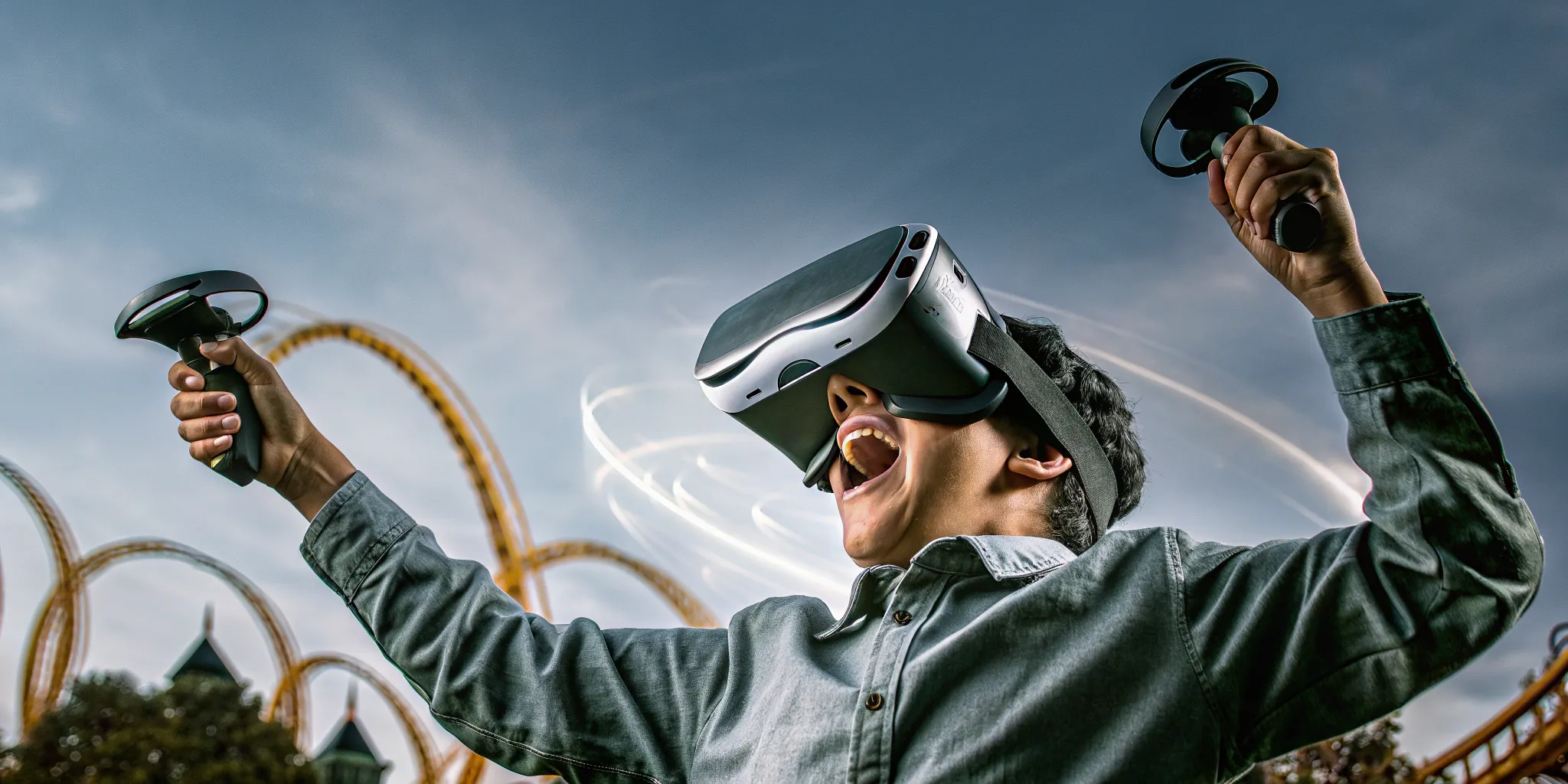
Have you ever wanted to feel the G-force of a race car, pilot a starship through an asteroid field, or defend a castle from an invading horde? These are the kinds of fantasies that VR simulation games bring to life. They let you step into roles and scenarios that are thrilling, challenging, or just plain fun, all without any real-world risk. This guide explores how this technology makes the impossible possible, from realistic job simulators to action-packed adventures. We'll cover the most popular genres and must-try titles that show just how powerful these immersive experiences can be.
Key Takeaways
- VR Engages Your Whole Body, Not Just Your Thumbs: The magic of VR simulation is that you are the controller. Instead of just pressing buttons, you physically duck, walk, and interact with the world, creating a powerful sense of presence that traditional gaming can't match.
- Your Physical Space Is Part of the Game: A great VR experience depends on your real-world environment. To play safely and feel fully immersed at home, you need to clear enough room for movement and use your system's boundary features to avoid bumping into furniture.
- Find the Right Game by Starting Smart: With genres for every interest, from racing to creative social hangouts, there's a perfect VR simulation for you. Visiting a VR arcade is the best way to try a variety of high-end, free-roam games without the cost and technical commitment of a home setup.
What Makes VR Simulation Games So Different?
If you've only ever played games on a console or PC, stepping into a VR simulation is a completely different world. It's not just about seeing the game on a screen in front of you; it's about being fully inside of it. This shift from observer to participant is what makes VR simulations so powerful and memorable. It's less like playing a game and more like living an experience.
The magic lies in how VR engages your senses and your body. You're not just pressing buttons to make a character jump or run. You are physically ducking behind cover, reaching out to grab an object, or walking through a new environment. This level of immersion creates more believable scenarios and more genuine reactions, whether you're piloting a starship or solving a mind-bending puzzle with your friends.
How the Technology Works
At its core, VR technology is designed to trick your brain into believing you're somewhere else. A VR headset places a screen for each of your eyes, creating a stereoscopic 3D image that mimics how we naturally perceive depth. Lenses in the headset focus and reshape the picture, giving you a wide field of view that fills your peripheral vision. The real game-changer is the head and motion tracking. Sensors on the headset and controllers follow your every move, so when you turn your head or walk around, your view of the virtual world changes accordingly. This is what makes you feel like you are actually in the game world, not just looking at it.
VR vs. Traditional Gaming
The biggest difference between VR and traditional gaming is the move from a 2D screen to a 3D space. Traditional gaming confines you to a chair, using a controller or keyboard to interact with a flat world. VR, on the other hand, is a completely new computing platform. It's part of a new wave of technology called spatial computing, where you interact with digital content in a physical way. While many people think VR is just for gaming, its applications are much broader. At places like Zero Latency, you can freely roam a large space, using your whole body as the controller to interact with the game and your teammates.
The Perks of Playing in VR
VR simulation games offer experiences that are simply impossible to replicate anywhere else. They let you live out childhood fantasies, try out dream jobs, or even attempt dangerous activities like fighting off a zombie horde without any real-world risk. It's a unique way to gain new perspectives and skills. One player described VR simulations as "the closest we've come to experiencing life second hand," which perfectly captures the ability to try on different lives and adventures. This is why VR is so effective for everything from professional training to just having an unforgettable night out with friends.
Popular VR Simulation Genres
VR simulation games let you step into roles and scenarios that are thrilling, challenging, or just plain fun. The word "simulation" might bring to mind complex flight controls or job training, and while those are part of it, the category is much broader. It's about creating a believable world where you can be a race car driver, a world-class surgeon, a professional boxer, or even the manager of a bustling nightclub. These games focus on realism and immersion, using VR technology to make you feel like you're truly there. Whether you're looking for high-speed action, a new skill to master, or a creative outlet, there's a simulation genre that will pull you in and won't let go. It's the perfect way to try on a new life for an afternoon.
Flight and Racing
If you have a need for speed, flight and racing sims are your ticket to the cockpit or the driver's seat. These games are all about authentic physics and stunningly realistic environments that make you feel every turn and takeoff. Titles like Assetto Corsa are famous for their true-to-life driving mechanics, letting you get behind the wheel of high-performance cars on world-famous tracks. For those who prefer the skies, Microsoft Flight Simulator offers an incredibly immersive experience, allowing you to pilot a huge range of aircraft across a photorealistic globe. These games are fantastic for anyone who has ever dreamed of flying a plane or pushing a race car to its limits.
Professional Training
Ever wondered what it's like to be an air traffic controller or a bomb disposal expert for a day? Professional training simulators let you do just that, often with a fun, game-like twist. These experiences can be surprisingly intense and rewarding. You could find yourself working as ground crew in Airport Ground Handling Simulator, guiding planes to their gates under changing weather conditions. For something more action-oriented, DCS (Digital Combat Simulator) puts you in the cockpit of a fighter jet for intense aerial combat missions. These games give you a real appreciation for the skill these jobs require, all from the safety of your headset.
Social and Creative Experiences
VR isn't just about action; it's also a powerful platform for social connection and creativity. In these simulation games, the focus is on interaction, building, and management. The classic Job Simulator offers a hilarious and quirky take on everyday professions, letting you experience work life in a world run by robots. If you're feeling more entrepreneurial, you can design and run your own venue in Nightclub Simulator, controlling everything from the music to the staff. These games are fantastic for sharing with friends and seeing whose creative (or chaotic) vision comes out on top.
Sports and Fitness
Get ready to break a sweat without ever leaving your living room. Sports and fitness simulators use the full-body tracking of VR to deliver an active and engaging workout. You can step into the ring for a few rounds in the physically demanding boxing game Thrill of the Fight, which will definitely get your heart pumping. If you'd rather be on the court, Gym Class Basketball VR lets you practice your dribbling and shooting in a virtual gym. These games are a perfect example of how VR can make exercise feel less like a chore and more like play, offering a fun way to stay active and improve your skills.
Must-Try VR Simulation Games
Ready to see what VR simulation is all about? The sheer variety of games can feel a bit overwhelming, but that's also the best part—there's truly an experience for every mood and interest. Whether you want to feel the adrenaline rush of a high-speed chase, learn a new skill without any real-world consequences, or just hang out with friends in a new and exciting way, there's a game for you. We've broken down some of the best VR simulation games by category to help you find your next favorite adventure. These games are great examples of what makes VR so compelling and are perfect for both newcomers and seasoned players.
For Action and Adventure
If you're looking for a game that lets you step into the shoes of a hero, action and adventure simulations are your go-to. These games drop you right into the middle of the action, making you feel every swing of a sword or blast from a laser. A standout in this category is Blade and Sorcery, a game celebrated for its incredible physics-based combat. You're not just pressing buttons; you're physically blocking, parrying, and attacking in a way that feels incredibly real and satisfying. It gives you the freedom to be creative with your fighting style, making every battle a unique and personal experience.
For Racing and Flight
Get ready to grip a virtual steering wheel or flight stick. Racing and flight simulators offer some of the most immersive experiences in VR, giving you a true sense of speed and altitude. For aspiring pilots, Microsoft Flight Simulator VR is considered the gold standard, with breathtakingly realistic visuals and flight physics that let you soar over a digital twin of the entire planet. If you prefer to stay on the ground, Assetto Corsa delivers an authentic driving experience with a huge selection of cars and tracks. The realistic driving physics make you feel every turn and acceleration, making it a must-play for any racing fan.
For Professional Development
Who said learning can't be fun? Professional development simulators let you try your hand at different jobs and skills in a hands-on, engaging way. These games are perfect for anyone who loves to tinker and learn how things work. In Car Mechanic Simulator VR, you can get your hands dirty repairing and restoring detailed car models, giving you an intuitive feel for automotive mechanics. For something completely different, Airport Ground Handling Simulator puts you on the tarmac to guide planes and manage cargo. It's based on real training software, offering a surprisingly realistic and educational peek into the world of aviation logistics.
For Social and Creative Fun
VR is an amazing way to connect with friends, and these games are built for shared experiences. Walkabout Mini Golf is a fan favorite for a reason. Its beautiful courses, simple controls, and fantastic physics create a relaxed and fun atmosphere perfect for a group hangout. It's easy for anyone to pick up and play, making it a great choice for parties. If you're feeling creative, you can try a game like Bartender Simulator, where you run your own bar, mix a wide variety of drinks, and serve virtual customers. It's a fun, low-pressure way to learn a new skill while having a great time.
For Fitness and Wellness
Forget the treadmill—VR can make working out feel like playing a game. Fitness simulators get your heart pumping in an immersive environment, so you barely notice you're exercising. Thrill of the Fight is a boxing game that provides a seriously intense workout. You'll be dodging, weaving, and throwing punches in a realistic boxing match that will leave you breathless. If you're looking for something more calming, Real VR Fishing offers a peaceful escape. You can relax by the water in stunningly beautiful locations, listen to music, and even watch TV while you wait for a bite. It's a perfect example of how VR can also be a tool for mindfulness and relaxation.
Set Up Your Ideal VR Gaming Space
Ready to bring the VR experience home? Creating your own dedicated gaming space is the best way to get the most out of your virtual adventures. It's not just about plugging in a headset; it's about building an environment where you can move freely, play safely, and feel completely immersed. A little bit of prep work goes a long way in transforming your living room into a portal to new worlds. Here's what you need to focus on to get it right.
Get the Right Gear
Your gear is your gateway, so choosing the right equipment is the first step. The VR gaming industry is advancing quickly, with huge leaps in graphics, tracking, and comfort. A quality headset that fits well and offers a clear picture is non-negotiable. You'll also want responsive controllers that feel natural in your hands. Don't forget about audio—a good pair of headphones can make the virtual environment feel incredibly real. Investing in solid gear from the start ensures your experience is seamless and believable, letting you forget about the tech and just enjoy the game.
Make Sure You Have Enough Room
One of the biggest keys to great VR is having enough space to move. You don't want to be swinging a virtual sword and accidentally knock over a lamp. Before you start, clear an area of any furniture, rugs, or other obstacles. The more room you have, the more you can move your body and interact with the game naturally. Most VR systems have a built-in boundary feature that warns you if you're getting too close to a wall or object. Setting this up properly is essential for safety and helps you stay immersed without worrying about your surroundings.
Check Your Performance Needs
VR simulation games can be demanding on your hardware. Just like with traditional PC gaming, you need to make sure your system can handle the action. A choppy or lagging game isn't just annoying—it can completely break the sense of immersion. Before you buy a game, check its minimum and recommended performance requirements. This will tell you if your PC or console has the processing power to deliver a smooth, high-quality experience. As the VR video game market grows, games are only getting more complex, so having a capable setup is key.
Prioritize Comfort and Safety
Feeling good while you play is just as important as the game itself. Many people worry about motion sickness, or "cyber sickness," which can happen when your brain gets conflicting signals from your eyes and body. To avoid this, make sure your headset is adjusted correctly and fits snugly. Start with shorter play sessions to get your bearings and take breaks when you need them. It's one of several common virtual reality misconceptions that everyone gets sick. With the right setup and by easing into it, most people can play comfortably for hours.
How to Choose the Right VR Simulation
Picking your first (or next) VR adventure can feel like a big decision. With so many genres and experiences out there, you want to land on something you'll genuinely enjoy. The right game can transport you to another world, but the wrong one can be a frustrating experience. It's not just about the game itself; it's also about matching the simulation to your experience level, your gear, and even the room you're playing in. Thinking through a few key factors beforehand can make all the difference between a mind-blowing session and a clunky one. Let's walk through what you should consider to find the perfect VR simulation for you.
Consider Your Experience Level
VR is incredibly welcoming to newcomers, but it also offers deep, complex worlds for veteran gamers. The key is to find a game that matches your comfort level. Are you just getting your VR legs, or are you ready for a fast-paced, complex challenge? Some games are designed to be intuitive and easy to pick up, while others have a steeper learning curve. The beauty of VR is that it lets you try things you couldn't in real life, from piloting a starship to exploring fantasy realms. As some players have noted, VR simulation games let you live out wild fantasies without any real-world risk, so don't be afraid to step outside your comfort zone when you're ready.
Check Hardware Compatibility
Before you get your heart set on a specific game, it's smart to check if your setup can handle it. Some VR titles are incredibly detailed and require a powerful PC to run smoothly, while others are designed to work well on standalone headsets. For example, a game like Microsoft Flight Simulator VR is known for being extremely demanding on hardware, so you'll need a top-tier system for the best experience. This is one of the biggest perks of playing at a VR arcade like Zero Latency—we handle all the tech. You get to jump straight into the action on high-end equipment without worrying about compatibility or performance issues.
Review Your Space and Setup
Your physical environment plays a huge role in your virtual one. While it's a common myth that you need a massive, empty room for all VR, the amount of space you have can definitely influence which games are best for you. Some experiences are designed for stationary or seated play, while others require you to move, duck, and dodge. The most important thing is safety. Make sure you have enough clearance to move your arms and body without bumping into furniture. Of course, for a truly uninhibited experience, nothing beats a dedicated free-roam arena where you can move freely without worrying about tripping over the coffee table.
Plan Your Budget
Getting into VR at home can be a significant investment. Between the headset, a capable computer, controllers, and the games themselves, the costs can add up quickly. The VR video game market is growing fast, which means more amazing games are always on the horizon, but it also means new gear and titles come with a price tag. It's helpful to set a budget for your hardware and software from the start. If you're not ready to commit to a full home setup, visiting a VR arcade is a fantastic way to experience premium, immersive games without the hefty upfront cost. You get all the fun without any of the financial commitment.
Play VR Games Like a Pro
Jumping into a virtual world is an incredible feeling, but a few pro tips can turn a good session into a great one. It's not just about having the latest headset; it's about how you prepare your space, your gear, and yourself. By paying a little attention to your setup and listening to your body, you can improve your performance, stay comfortable for longer, and keep that pesky motion sickness at bay.
Think of it like preparing for any other sport or activity. A little warm-up and the right environment make all the difference. Whether you're a total beginner or a seasoned VR veteran, these strategies will help you get the most out of every single game. We'll cover everything from setting up a safe play area to managing longer sessions without feeling drained.
Master Your Setup and Safety
The magic of VR is that it makes you feel like you're truly in the game world, not just controlling a character on a screen. To maintain that immersion and stay safe, your physical space is key. Before you put on the headset, take a moment to clear the floor of any obstacles—think coffee tables, stray toys, or curious pets. You'll want enough room to move your arms and take a step or two without bumping into anything. Most modern headsets have a built-in boundary system that helps you map out your safe zone. Use it! It's your best friend for preventing accidental collisions with your walls or furniture. Also, make sure your headset fits snugly and that you use the controller wrist straps. The last thing you want is a controller flying across the room during an intense moment.
Tips for Better Performance
To get the smoothest and most visually stunning experience, a little maintenance goes a long way. Start with the basics: keep your headset's lenses clean with a dry microfiber cloth. Smudges and dust can ruin the clarity and pull you out of the moment. It's also a good idea to regularly check for software and firmware updates for your headset and games, as these often include performance improvements. If you're playing on a PC-based VR system, you have more control over your graphics settings. Experiment to find the right balance between visual quality and a high frame rate. A consistent, smooth frame rate is more important than ultra-high graphics, as stuttering can cause disorientation. As tracking technology continues to advance, keeping your system optimized will ensure you're always getting the best experience possible.
How to Prevent Motion Sickness
Feeling a bit queasy in VR? You're not alone. It's often called cyber sickness, and it happens when there's a mismatch between what your eyes are seeing (like moving in a virtual spaceship) and what your body is feeling (standing still in your living room). Your brain gets confused by these conflicting signals, which can lead to nausea and dizziness. The good news is you can build up your "VR legs." Start with games that involve less artificial movement, like stationary puzzle games or room-scale experiences. Many games also offer comfort settings, such as teleportation for movement instead of smooth walking. Taking short, frequent breaks is also crucial. If you start to feel off, stop immediately. Trying to push through it will only make you feel worse.
Guidelines for Longer Sessions
Once you're comfortable in VR, you might want to play for longer stretches. The key to extended sessions is managing your energy and avoiding strain. First, stay hydrated. It's easy to lose track of time and forget to drink water when you're fully immersed in another world. Plan to take a break every 30 to 45 minutes to drink some water and give your eyes a rest from the screen. During your breaks, do a few simple stretches, especially for your neck, shoulders, and back. Physically active games can be a real workout, so treating them like one helps prevent soreness. Most importantly, listen to your body. If you feel any eye strain, fatigue, or discomfort, it's a clear sign that it's time to log off for a bit. Pacing yourself ensures you can come back for more fun later.
Handle Common VR Challenges
Jumping into virtual reality is an incredible experience, but like any new technology, it can come with a few questions. Whether you're thinking about setting up a system at home or just curious about how it all works, it helps to know about the common hurdles and how to clear them. From feeling a bit dizzy to figuring out the tech, most challenges are easy to manage once you know what to do.
The good news is that you don't have to solve everything on your own. The easiest way to get a seamless, top-tier experience is to visit a dedicated VR arena where all the technical details are handled for you. At a place like Zero Latency, the space is already optimized, the gear is professional-grade, and the experience is designed to be as comfortable and immersive as possible. But if you're exploring VR on your own, here are some tips for handling the most common challenges.
Solutions for Motion Sickness
If you've ever felt a little off-balance in VR, you're not alone. It's often called cybersickness, and it happens when your brain gets mixed signals between what your eyes see and what your body feels. Early VR headsets were more likely to cause this, as the technology struggled to keep up with our senses. Modern systems are much better, but some people are still more sensitive than others.
To keep things comfortable, start with shorter play sessions and take breaks. Look for games that offer different movement styles, like teleportation, which can be easier on your senses. Staying hydrated also helps! At a professional venue, the equipment is specifically calibrated with high refresh rates and precise tracking to create a smooth experience that significantly reduces the chances of motion sickness.
How to Optimize Your Space
One of the biggest practicalities of at-home VR is space. You need enough room to move around without bumping into your coffee table. Before you start, clear a dedicated play area and make sure it's free of any obstacles. Most headsets have a built-in boundary system that shows you a virtual wall if you get too close to the edge of your safe zone—definitely use it!
As VR technology evolves, developers are finding new ways to make games work in different-sized rooms. Still, nothing beats having a massive, open area to explore freely. This is the whole idea behind free-roam VR, where you can walk, run, and dodge in a large, warehouse-scale space without worrying about tripping over furniture.
Meeting Technical Requirements
Getting a high-quality VR experience at home often requires some technical know-how. PC-based VR needs a powerful computer with a good graphics card, and you'll have to manage cables, drivers, and software updates. While standalone headsets are much simpler, they don't always have the processing power for the most graphically intense games.
The future of VR is heading toward more powerful, wireless experiences, but we're not quite there yet for the average consumer. This is another reason why playing at a dedicated VR arcade is so appealing. You get to enjoy the best, most powerful technology without any of the setup or maintenance headaches. Everything is configured for you, so you can just focus on the game.
Managing Your Costs
Let's be real: setting up a premium VR system at home can be a big investment. A high-end headset can cost several hundred to over a thousand dollars, and if you need a gaming PC to run it, that adds even more to the bill. Then there are the games themselves, which you purchase individually. While the VR video game market is growing, the initial cost of entry is still a major consideration for many people.
Visiting a VR arcade is a fantastic way to access an incredible experience without the hefty price tag. You pay per session, so you can enjoy the best that VR has to offer for a fraction of the cost of buying all the gear yourself. It's a great way to try out different games and see what you like before committing to a home setup.
What's Next for VR Simulation Games?
Virtual reality is evolving at an incredible pace, and what feels like science fiction today will be the standard for gaming tomorrow. The core technology is getting more powerful, more accessible, and more intelligent every year. This means the immersive experiences you love are only going to get better, pulling you deeper into new worlds with stunning realism and seamless gameplay. From crystal-clear visuals to smarter game characters, the future of VR simulation is bright, and it's coming faster than you think.
The Future of Graphics and Processing
Get ready for VR that looks indistinguishable from real life. The next wave of VR technology is focused on delivering breathtaking visual fidelity. We're talking about major improvements in graphics processing and tracking, leading to higher resolutions that eliminate pixelation and create incredibly sharp, vibrant worlds. For you, the player, this means a more profound sense of presence. Imagine exploring an ancient ruin where every stone texture is crisp or flying a starship where every distant nebula is perfectly clear. This graphical leap not only makes games more beautiful but also smoother and more comfortable to play, reducing eye strain and enhancing the overall immersion.
Smarter AI Integration
The worlds you explore in VR are about to feel much more alive. As developers integrate more sophisticated artificial intelligence, the non-player characters (NPCs) in games will become less predictable and more realistic. Instead of enemies that follow simple patterns, you'll face opponents who learn your strategies and adapt their tactics on the fly. Allies will offer genuinely helpful support, and the digital inhabitants of game worlds will react to your presence in more meaningful ways. This smarter AI in gaming is what transforms a static environment into a dynamic, breathing world, making every choice you make feel more impactful.
A Move Toward Wireless
The days of being tethered to a computer are numbered. The industry is making a significant push toward a completely wireless future, which is fantastic news for anyone who values freedom of movement. As one report notes, we can expect to see a focus on wireless and untethered VR, making the experience more accessible and immersive. This is the kind of freedom we champion with our free-roam arenas. When you're not worried about tripping over a cord, you can fully lose yourself in the action—ducking, weaving, and exploring the virtual space naturally. This shift makes VR feel less like a tech demo and more like stepping directly into another reality.
The Growth of Cross-Platform Gaming
Playing with your friends is about to get a lot easier. Developers are working hard to break down the walls between different VR systems and even traditional gaming platforms. The growth of cross-platform gaming means you'll soon be able to team up with friends regardless of whether they're using a different headset or playing on a PC. This trend is all about making VR a more social and inclusive activity. By uniting player communities, games will have larger, more active player bases, which means more people to team up with or compete against. It ensures that you can share your favorite VR adventures with everyone in your circle.
Related Articles
- Exploring Advanced Virtual Reality: Top Headsets & Applications
- Find the Best VR Arcade: Your Ultimate Guide
- Top 5 VR Experiences in Austin
- Top Austin VR Arcades: Your Guide to Immersive Fun
- Affordable Home VR Arcade: How to Get Started
Frequently Asked Questions
Is it better to set up VR at home or go to a place like Zero Latency? Setting up a VR system at home is great for convenience and solo play, but it comes with the cost of high-end gear and the need for a powerful PC. A dedicated VR arcade gives you access to professional-grade, free-roam technology without any of the setup or expense. It's the best way to experience the most immersive, large-scale games, especially with a group of friends.
Will I get motion sickness while playing VR games? While some people are sensitive to it, motion sickness is much less of an issue with modern VR technology. Most discomfort comes from a disconnect between what you see and what you feel. The best way to avoid it is to start with shorter sessions and take breaks if you feel off. Many games also include comfort settings, and you'll find that you can build up your tolerance over time.
What exactly makes a game a "VR simulation?" A VR simulation focuses on creating a believable experience that makes you feel like you are truly performing an activity. It's less about high scores and more about immersion. Whether you're realistically flying a plane, performing surgery, or managing a virtual business, the goal is to make the world and your interactions within it feel as authentic as possible.
Do I really need a lot of empty space to play VR? The amount of space you need depends entirely on the game. Some experiences are designed to be played while sitting or standing in one spot. However, the most dynamic and immersive games benefit from having enough room to step, duck, and move your arms freely. This is why free-roam arenas provide such a compelling experience—they give you a massive, open area to explore without limitations.
Are most VR simulation games just intense shooters or racing games? Not at all! While action and racing games are definitely popular, the world of VR simulation is incredibly diverse. You can find relaxing games centered on fishing or mini-golf, creative experiences where you can build and design, and even social games that feel more like a fun hangout with friends. There truly is a simulation for every interest and energy level.