
The Ultimate Guide to VR Team Building Activities
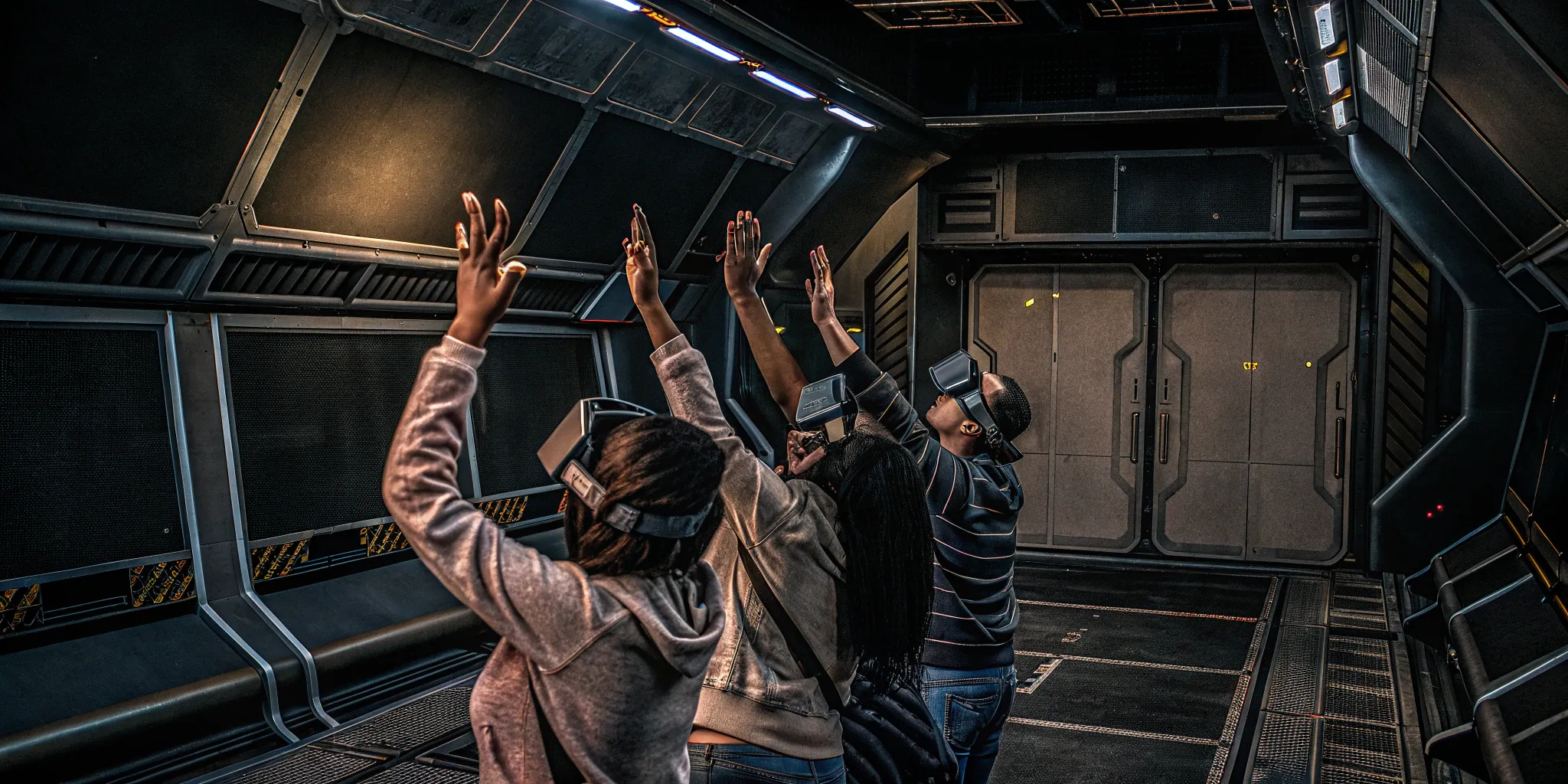
Let's be honest, most team-building exercises are a little predictable. The trust falls, the awkward icebreakers, the forced happy hours—they often feel more like a requirement than a reward. If you're looking for an activity that your team will actually be excited about, it's time to think differently. This is where VR team building comes in. It swaps the conference room for entirely new worlds, replacing stale exercises with thrilling, collaborative adventures. It's a genuinely fun way to get your team communicating, strategizing, and working together under pressure. This guide will walk you through everything you need to know about planning an unforgettable event.
Key Takeaways
- VR builds real skills: The immersive nature of virtual reality encourages clear communication and creative problem-solving in a way that traditional exercises can't.
- Choose the right game for your goals: Select an experience that aligns with what you want to achieve, whether it's improving collaboration with a puzzle or energizing your group with a friendly competition.
- Make the lessons last: The real value comes from discussing the experience afterward. A quick debrief helps your team connect what they learned in the game to their work back at the office.
What is VR Team Building?
Let's be honest, most traditional team-building exercises can feel a little forced. VR team building is the antidote to awkward icebreakers and trust falls. It's a modern and genuinely fun way for teams to connect, collaborate, and sharpen their skills. Instead of being stuck in a conference room, your team gets to step into entirely new worlds and tackle exciting adventures together.
Think of it as a high-tech upgrade to your company outing. VR team building lets your group escape the everyday office environment and work together in ways you never could otherwise. Whether you're defending a fortress from zombies or solving puzzles in a fantasy world, the experience is designed to be engaging and memorable. It's no wonder that so many companies are turning to specialized virtual reality experiences to bring their teams closer. These aren't just games; they are carefully crafted missions that challenge your team to communicate and strategize under pressure, building valuable skills that translate directly back to the workplace.
From Trust Falls to Virtual Worlds
Team building has evolved far beyond simple physical challenges. While the goal is still the same—to build a more cohesive and effective team—the methods have become much more dynamic. VR takes the core principles of teamwork and places them in a context where clear communication and creative thinking are essential for success. The games are often designed to help teams get better at giving feedback, working together, and solving problems creatively.
Instead of just talking about teamwork, your group gets to practice it in real-time. Companies can use everything from VR escape rooms to complex problem-solving simulations to see how their teams perform. It's a hands-on approach that reveals team dynamics in a low-stakes, high-energy setting.
Why VR Makes Team Building Unforgettable
What makes VR so effective for team building? It comes down to one word: immersion. One of the biggest benefits of VR is its ability to create a powerful sense of engagement and immersion, making participants feel like they are truly inside the game. This level of focus eliminates outside distractions and encourages everyone to be fully present and involved with their teammates.
When the experience feels real, the collaboration and communication become real, too. At Zero Latency VR, our free-roam missions are designed to improve morale and bring an unmatched level of excitement to any corporate team event. Your team won't just be playing a game; they'll be creating a shared memory that strengthens their bond long after they've taken off the headset.
What Kinds of VR Team Building Games Are There?
When you hear "VR team building," you might picture a single type of game, but the reality is much more exciting. The world of virtual reality is packed with diverse experiences designed to match any team's personality and goals. Whether your group thrives on collaborative problem-solving, loves a good-natured rivalry, or wants to embark on an epic quest, there's a VR game for you. Think of it like a movie library—you've got action, mystery, sci-fi, and more. Let's look at the most popular kinds of VR games that can bring your team closer together.
Free-Roam Adventures
Imagine exploring a new planet or surviving a zombie apocalypse, not by clicking a mouse, but by physically walking through the world with your team. That's the magic of free-roam adventures. Unlike stationary VR, these experiences let you move untethered in a large, open space, making the game feel incredibly real. You and your colleagues will need to stick together, cover each other's backs, and strategize on the fly to complete your journey. These shared adventures are powerful because they require constant communication and create lasting memories, making them perfect for VR corporate events designed to help employees connect in a completely new way.
Virtual Escape Rooms
If your team loves puzzles and brain teasers, virtual escape rooms are a perfect fit. They take the classic escape room concept and remove all physical limits. Suddenly, you're not just escaping a room; you're breaking out of a high-security prison on Mars or uncovering ancient secrets in a cursed tomb. These games are all about collaboration and critical thinking. Everyone gets a chance to contribute as you search for clues, solve complex puzzles, and work against the clock. With a huge VR game catalogue available, you can find a theme and difficulty level that's just right for your group's dynamic and problem-solving style.
Strategic Missions
For teams that need to sharpen their tactical skills, strategic missions offer objective-based challenges that demand precision and teamwork. These aren't just games; they are cutting-edge free-roam VR missions where every decision matters. You might be disarming a bomb, infiltrating an enemy base, or defending a critical position from attack. Success depends entirely on your team's ability to create a plan, assign roles, and communicate clearly under pressure. Each player has a vital part to play, making these missions an incredible way to improve group coordination and see how your team operates when the stakes are high.
Creative Challenges
Team building isn't always about high-stakes action. Creative challenges offer a different kind of test, focusing on out-of-the-box thinking and collaborative creation. These games might involve building fantastical structures together, solving physics-based puzzles in surreal environments, or even painting in three-dimensional space. The main goal is to foster innovation and see how your team members approach problems from different angles. One of the biggest benefits of virtual reality is its ability to create immersive scenarios that encourage new ways of thinking, allowing your team's creative problem-solvers to truly shine.
Competitive Games
A little friendly competition can be a fantastic way to energize your team. Competitive VR games pit players or teams against each other in fun, fast-paced challenges. Whether it's a futuristic laser tag showdown or a team-based sports game, these experiences are designed to get everyone laughing, moving, and communicating. As the ultimate team building venue in Austin, we've seen how these immersive challenges encourage quick thinking and on-the-fly strategizing. It's a great way for your team to blow off some steam while practicing how to work together toward a common goal—beating the other team.
Why Choose VR for Your Next Team Event?
Let's be honest: another happy hour or trust fall exercise probably won't be the highlight of your team's year. If you're looking for a team-building activity that people will actually talk about for weeks, virtual reality is your answer. It's easy for team members to stay in their comfort zones during a typical corporate outing, but VR changes the game entirely. It pulls your team out of the familiar office setting and drops them into a world where working together isn't just a goal—it's a necessity for survival.
This immersive experience breaks down the usual workplace hierarchies and communication barriers. In a virtual world, job titles don't matter; what matters is who has your back when the zombies are closing in. This creates a unique space where people can step into new roles, take risks, and communicate more openly than they might at their desks. It's an experience that's genuinely fun, incredibly engaging, and surprisingly effective at building stronger, more cohesive teams. Instead of just talking about teamwork, your group gets to live it in a high-stakes, memorable adventure that will become a story they share for a long time.
Improve Communication and Collaboration
In a virtual world, you can't rely on your usual office body language or quick side chats. Success depends on clear, constant communication. Whether you're coordinating an attack on a horde of zombies or figuring out a puzzle in a virtual escape room, you have to talk to your teammates. This immersive environment naturally encourages people to listen actively and speak up, fostering a unique kind of team collaboration that's hard to replicate. It's a fun, low-pressure way for your team to practice essential communication skills and build the kind of rapport that translates directly back to the workplace.
Sharpen Problem-Solving Skills
VR games are designed to challenge you. They throw unexpected problems at your team, forcing everyone to think on their feet and work together to find creative solutions. You might need to decipher cryptic clues, devise a strategy to overcome an obstacle, or manage resources under pressure. These scenarios are perfect for helping your team get better at giving feedback, communicating clearly, and thinking outside the box. The game becomes a dynamic training ground where your team can practice and sharpen their problem-solving skills in a way that feels more like play than work.
Connect Your Remote and Hybrid Teams
For teams spread across different locations, building a real sense of connection can be tough. VR team building bridges that physical distance in a powerful way. Instead of seeing each other in tiny boxes on a video call, your team can stand side-by-side as avatars in a shared virtual space. This creates a feeling of presence and togetherness that helps remote and hybrid teams feel more connected. It's a chance to share an experience and create memories together, strengthening bonds and making everyone feel like they are truly part of the same team, no matter where they log in from.
Get Your Team Active and Moving
Most corporate jobs involve a lot of sitting. A VR team-building event is the perfect antidote. At Zero Latency VR, our free-roam experiences get your team out of their chairs and moving around in a large, open space. You'll be walking, ducking, and working together physically to complete your mission. This active engagement is a fantastic way to break up the monotony of office life, release some energy, and energize your team. It's an exciting, physical adventure that brings an unmatched level of excitement to any corporate event.
See Measurable Team Growth
One of the biggest benefits of using VR for team building is the sheer level of engagement it creates. When your team is fully immersed in a virtual world, they're more focused and invested in the task at hand. This heightened engagement leads to real, observable improvements in how your team functions. You'll see quieter team members take on leadership roles and watch different departments collaborate in new ways. It's not just about having a good time; it's about creating a shared experience that leads to measurable growth in teamwork and performance back at the office.
Where Can You Do VR Team Building?
Once you're sold on the idea of a virtual reality adventure for your team, the next step is finding the right place to host it. The venue makes all the difference, from the technology they use to the library of games they offer. You want a spot that specializes in group events and can deliver a seamless, unforgettable experience that gets your team talking for weeks. Look for a location that not only has cutting-edge equipment but also provides the support you need to make your event a success.
Zero Latency VR - South Austin
If you're in Austin, your search should start with a place that's built for incredible group experiences. At Zero Latency VR - South Austin, we create transformative VR corporate events designed to get your employees communicating and working together in whole new ways. Our games are specifically chosen to encourage collaboration and sharpen problem-solving skills, all within an immersive, cutting-edge virtual world. We focus on delivering a premium experience that makes planning easy for you and is genuinely fun for your team. It's not just about playing a game; it's about sharing an adventure that strengthens bonds long after the headsets come off.
Other Top-Rated Venues
When you're exploring different VR venues, look for a few key features that signal a high-quality experience. A top-rated location should offer a variety of games suitable for different tastes and skill levels, ensuring there's something for everyone on your team. Check if they specialize in group events, as they'll be better equipped to handle the logistics of a corporate outing, from scheduling to in-game support. The best venues are perfect for more than just team-building events; they're also great for birthday parties and casual get-togethers, which shows they know how to create a fun, social atmosphere.
What to Expect: Tech and Equipment
A huge part of what makes VR team building so effective is the free-roam technology. Unlike at-home systems where you're stuck in one spot, commercial venues use untethered, room-scale experiences that let you and your team move freely through a large, open space. When you arrive, you'll get geared up with a lightweight backpack computer, a VR headset, and a controller for interacting with the virtual world. This setup allows you to walk, duck, and explore the digital environment together, creating a much more interactive and believable adventure. It's this freedom of movement that makes the collaboration feel so real.
Understanding Pricing and Packages
Pricing for VR team-building events can vary based on your group size, the length of your experience, and any extra amenities you might want. Most venues offer packages that bundle game time with other perks, like a private room for a pre-game briefing or a post-game celebration. When comparing options, think about the value you're getting. For instance, at Zero Latency VR - Austin, we partner with top providers to offer the largest VR game catalog in the city, giving you more choices to find the perfect fit for your team's goals. Always ask what's included in the price to ensure there are no surprises.
How to Pick the Perfect VR Experience
Choosing the right virtual reality adventure is the secret to a team-building event that people will talk about for months—for all the right reasons. It's about finding that perfect blend of challenge, fun, and teamwork that fits your group like a glove. With so many games and experiences out there, you'll want to consider a few key things to make sure your event hits the mark. Think about your team's personality, what you want to achieve, and the logistics of your day.
Are you looking for a high-energy zombie shootout to get the adrenaline pumping, or a mind-bending puzzle that requires serious collaboration? How much time do you have? What's your group size? Answering these questions beforehand will help you narrow down the options and select an experience that feels tailor-made for your crew. At Zero Latency VR - Austin, we have a variety of VR games designed for different tastes and team dynamics, ensuring there's something for everyone. Let's walk through the essential factors to consider.
Match the Game to Your Group Size
The number of people on your team is one of the biggest factors in choosing the right VR game. Some experiences are designed for small, tactical squads, while others can accommodate larger parties. You want to ensure everyone can participate and feel included. At Zero Latency VR, our arena can host up to eight players at once, allowing your team to communicate and strategize together in the same physical and virtual space. If you have a larger company, we can run back-to-back sessions and turn it into a friendly competition for the top score. When you're researching venues, always ask how they accommodate groups of different sizes to find the best fit.
Decide on the Right Game Length
Your schedule plays a huge role in selecting a VR experience. Most sessions, including briefing and gameplay, last between one and two hours, which is often the sweet spot for holding a team's focus without causing fatigue. Think about your overall agenda for the day. Are you planning a quick afternoon activity to break up the workday, or is this part of a larger off-site event with lunch or a meeting? A shorter, 30-minute game can be a fantastic icebreaker, while a longer, more complex mission gives your team more time to sink their teeth into problem-solving. Be sure to factor in arrival and setup time so your event runs smoothly.
Check the Technical Requirements
Not all VR is created equal. Some providers offer to bring VR equipment to your office, which might sound convenient but often involves being tethered to a computer. This can limit movement and break the immersion. For a truly seamless experience, a dedicated free-roam VR arena is the way to go. At a venue like Zero Latency VR - Austin, all the state-of-the-art equipment is ready for you. We provide the wireless headsets and gear, and our massive, open space allows for complete freedom of movement. The best part? You don't have to worry about a thing. Your team can just show up and dive straight into the action.
Review the Safety Guidelines
If you or your teammates are new to VR, you might have questions about safety or motion sickness. The good news is that modern free-roam technology has made VR more comfortable than ever. Because your real-world movements are perfectly synced with your actions in the game, the disconnect that can cause discomfort is significantly reduced. A reputable venue will always put safety first. Before you play, a trained game master should walk you through a safety briefing, explain the rules, and stay on hand to assist throughout the experience. This ensures everyone feels comfortable and can focus on having a great time.
Ask About Customizing Your Event
Want to make your team outing extra special? Ask if the venue offers options to customize your event. Many places, including Zero Latency VR - Austin, are pros at hosting private and corporate events. You might be able to book the entire facility, arrange for catering, or use a private room for a pre-game meeting or a post-game debrief. Tailoring the event to your team's specific goals can transform a fun activity into a powerful team-building experience. Whether you're celebrating a big win or working on improving team communication, a little customization goes a long way.
How to Plan Your VR Team Outing
A great team outing doesn't just happen—it's planned. And while organizing a VR event is surprisingly straightforward, a few key steps will ensure your team gets the most out of the experience. Think of it less like booking a reservation and more like producing a mini-event. Your goal is to create a seamless, fun, and memorable day that hits all the right notes, whether you're focused on skill-building or just blowing off some steam.
The good news is that dedicated VR venues are built to make this easy for you. They have the space, the tech, and the staff to handle the heavy lifting. Your job is to figure out the "why" and "who" of your event. By thinking through your goals, budget, and team dynamics ahead of time, you can walk in on the day of your event feeling confident and ready to have as much fun as everyone else. Let's walk through the simple steps to planning a VR team outing that everyone will be talking about for all the right reasons.
Set Clear Goals for Your Event
Before you even think about which game to play, ask yourself: What's the "why" behind this outing? Your answer will shape the entire event. Are you trying to help a new team get to know each other? Is the goal to improve communication and collaboration? Or do you simply want to reward everyone for a quarter of hard work? VR team building is incredibly versatile, helping teams bond, grow, and develop leadership skills in a fun, low-stakes environment. Knowing your primary goal will help you choose the perfect experience—a cooperative mission for a team that needs to work on collaboration, or a high-energy competitive game for a group that thrives on friendly rivalry.
Plan Your Budget
Let's talk numbers. The cost of VR experiences can vary widely. While fully custom corporate VR training programs can be a major investment, a team-building event at a dedicated venue is much more accessible. When you're planning, look for places that offer clear group pricing and packages. At Zero Latency VR - Austin, you can easily explore our options to find a fit for your team's size and budget. Be sure to check what's included in the price. Does it cover a private game session, use of a meeting room for a post-game debrief, or any food and beverage options? A clear budget helps you narrow down your choices and avoid any surprises.
Know the Space Requirements
Not all VR is created equal, and the physical space is a huge part of the experience. To get truly immersed, you need room to move. The best VR team-building activities require a large, open area where players can walk, duck, and explore the virtual world without bumping into walls or each other. This is what makes free-roam VR so special. Instead of being tethered to one spot, your team can move freely together. Choosing a purpose-built venue like Zero Latency means you don't have to worry about a thing; the play space is designed for safety and maximum immersion.
Get the Right Facilitator Support
The people running your event are just as important as the technology. A great game master or facilitator can make all the difference. They're not just there to get you set up with the equipment; they guide your team, offer hints when you're stuck, and ensure everyone feels comfortable and engaged. The on-site staff are your partners in making the event a success. They manage the technical side of things so you can focus on your team. A well-run session with supportive staff ensures the experience is smooth, fun, and effective, helping your team achieve the goals you set from the start.
Prepare Your Team for the Experience
A little prep work can go a long way in building excitement and making sure everyone feels ready to play. Since teams get to dive into a completely new virtual world, it's helpful to set expectations, especially for first-timers. Send out a quick email a few days before the event. Let them know what to expect, what to wear (think comfortable clothes and closed-toe shoes), and answer any common questions. You can also share a link to a game trailer to get them hyped. This simple step helps ease any nerves and ensures everyone arrives ready to jump right into the action.
Get the Most Out of Your VR Experience
A VR team-building event is more than just a fun day out of the office; it's a powerful tool for strengthening your team's dynamics. But like any tool, its effectiveness depends on how you use it. Simply throwing your team into a virtual world without any context or follow-up might be fun, but it won't create lasting change. To truly make an impact, you need a little bit of strategy before, during, and after the headsets come off. It's about turning an exciting adventure into a meaningful investment in your team's performance and morale.
The magic of VR is its ability to create shared experiences that are both intense and memorable. These experiences break down typical workplace hierarchies and encourage new ways of communicating and collaborating. By planning your event with clear goals in mind, you can guide your team to not only conquer virtual zombies or solve intricate puzzles but also to discover new things about how they work together. The key is to be intentional. Think about what you want your team to gain from the experience and structure the event to support those outcomes. From choosing the right game to discussing the lessons learned, every step is an opportunity to build a stronger, more cohesive team.
Choose Your Activities Wisely
The first step is to match the game to your goals. Are you looking to improve communication, spark creative problem-solving, or simply give your team a chance to bond and blow off some steam? Different games are designed for different outcomes. A cooperative mission where everyone has a unique role will highlight the importance of clear communication and reliance on teammates. A competitive game might be better for a sales team that thrives on friendly rivalry. Think about your team's culture and what kind of challenge will resonate most. A great VR team building experience is one that feels custom-fit to your group's specific needs and objectives.
Keep Everyone Engaged
One of the biggest advantages of VR is its inherently immersive nature. It's hard to be distracted by your phone when you're fending off a horde of zombies! To make sure everyone is fully invested, set the stage before the game begins. Briefly explain the goals of the activity—both in the game and for the team. Encourage everyone to participate fully and support their teammates. The best VR scenarios are designed so that no single person can succeed alone. This built-in need for collaboration ensures that the immersive environment naturally pulls everyone in, making engagement feel effortless and exciting.
Track Your Team's Progress
Many VR games come with built-in scoring and performance metrics. While it's fun to see who got the highest score, these analytics can also be a valuable tool for team reflection. After the game, use the results to start a conversation. You can discuss moments where the team excelled or where they struggled. Did one person take the lead? How did the team adapt when their initial strategy failed? These data points provide a concrete foundation for a post-game debrief, turning a fun activity into a tangible learning experience about your team's collaborative strengths and weaknesses.
Bring the Lessons Back to the Office
The most critical part of any team-building event is connecting the experience back to the workplace. Schedule a short debrief session immediately after the VR activity. Ask open-ended questions like, "What was our biggest communication challenge in the game?" or "How did we approach problem-solving when we were stuck?" This discussion helps your team draw parallels between their in-game behaviors and their real-world work dynamics. The goal is to translate the excitement and collaboration of the game into actionable insights that improve how your team functions every day, turning a fun outing into a truly effective corporate team event.
Related Articles
- Premium Free-Roam Virtual Reality in Austin
- Austin Tech Attractions: Explore VR Meetups & More
- Exploring Advanced Virtual Reality: Top Headsets & Applications
- Find the Best VR Arcade: Your Ultimate Guide
- Top 5 VR Experiences in Austin
Frequently Asked Questions
What if my team members aren't gamers? Will they still enjoy this? Absolutely. Our experiences are designed for everyone, regardless of their video game experience. The focus is on communication and teamwork, not on complex controls or lightning-fast reflexes. The games are intuitive, and our staff provides a full briefing to make sure everyone feels comfortable before they start. The goal is to work together and have a great time, not to get the highest score.
I'm worried about motion sickness. Is that a common issue with VR? This is a very common concern, but it's much less of an issue with free-roam VR. The discomfort some people feel often comes from a disconnect between what their eyes see and what their body feels. Because you are physically walking and moving through our large arena, your real-world actions perfectly match your movements in the game. This synchronization makes the experience feel natural and significantly reduces the chance of motion sickness.
Is this just a fun activity, or will my team actually get something out of it? While it is incredibly fun, it's also a powerful tool for team development. The immersive challenges put your team in situations where they must communicate clearly, think creatively, and rely on each other to succeed. It's a hands-on way to practice problem-solving and collaboration under pressure, revealing team dynamics in a way that a typical office setting never could. The lessons in teamwork are real, even if the zombies aren't.
How many people can participate at once? What if I have a large team? Our arena can host up to eight players in a single game, which is perfect for keeping communication tight and effective. If your company is larger, we can easily accommodate you by running consecutive sessions. This often turns into a fun, friendly competition between groups as they compare scores and stories afterward, adding another layer of engagement to your event.
What do we need to do to prepare for our event? The best part is that you don't have to worry about much. We handle all the technology and provide a full safety briefing before you play. The most important thing is for your team to wear comfortable clothes and closed-toe shoes since you'll be active and moving around. Just show up with a positive attitude, and we'll take care of the rest.